Engineering Theranostic Nanomedicines: A Leap Forward in Biomedical Innovation
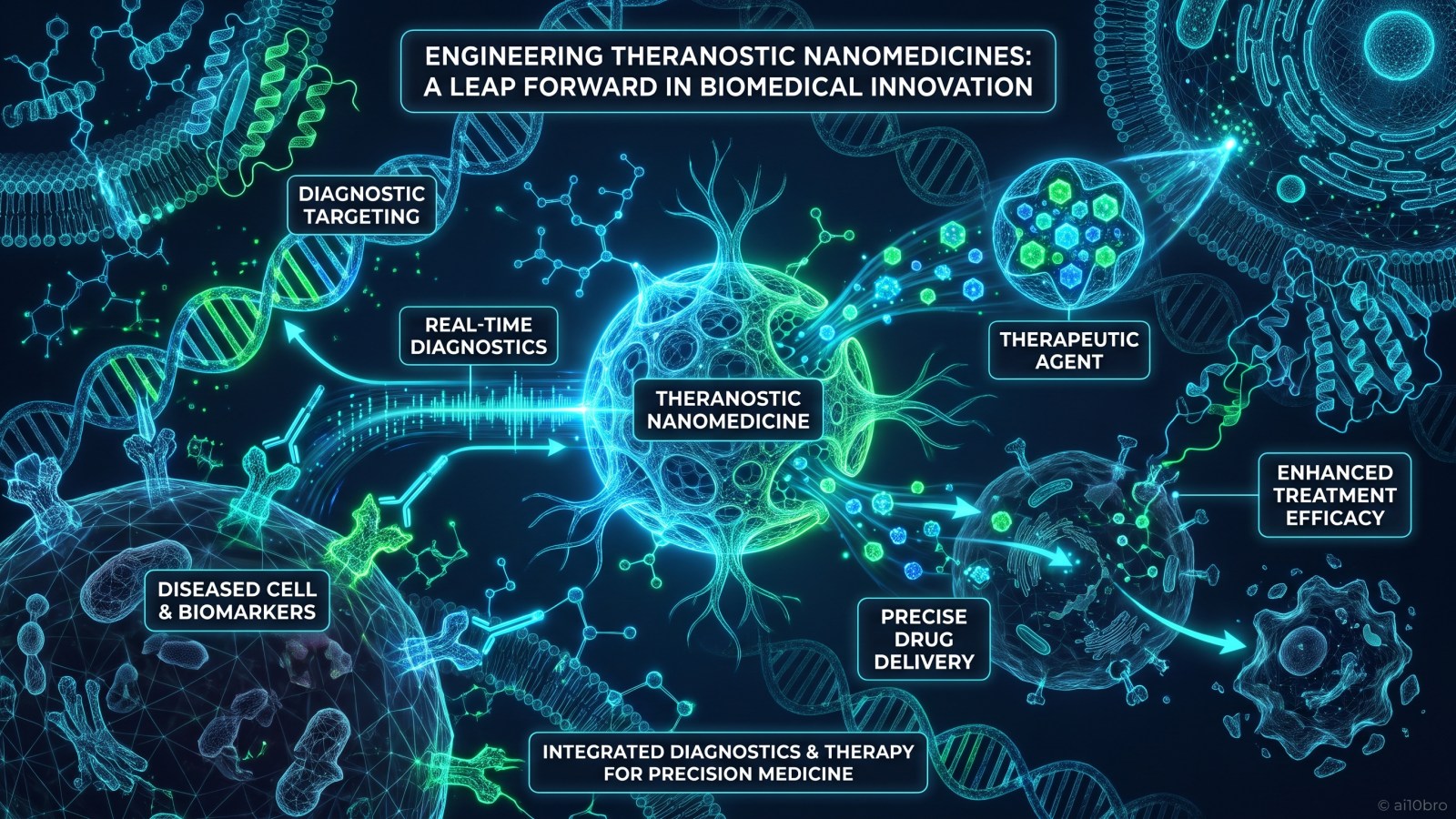
Researchers from around the globe are advancing the development of theranostic nanomedicines, which combine diagnostic and therapeutic functionalities within a single nano-scale platform. This breakthrough could significantly enhance disease diagnosis and treatment by providing a multifunctional tool that integrates imaging and drug delivery.
Overview
In a recent review published in PubMed (ID: 43070049), authors Niamat Ullah, Touseef Nawaz, Mohamed El Fadili, and Adnan Amin delve into the intricate world of bioengineering principles that underpin next-generation theranostic nanomedicines. These platforms are designed to integrate diagnostic sensing, imaging, and therapeutic delivery within a single system. The study highlights various materials used in these systems, including lipid-based, polymeric, mesoporous silica, inorganic, extracellular-vesicle-derived, and cell-membrane-camouflaged materials. This multifaceted approach aims to create precise and efficient treatment methods that can be tailored based on the specific needs of patients.
Context & Significance
The significance of this research extends beyond the lab as it paves the way for a new era in personalized medicine. The global market for nanomedicine is estimated to reach $30 billion by 2030, underscoring its potential economic impact. The ability to integrate diagnostic and therapeutic functions within a single platform not only reduces the complexity of treatment but also enhances patient outcomes by enabling targeted delivery of therapies.
How It Works
The core of theranostic nanomedicines lies in their design principles, which govern how they interact with biological systems. Key innovations include:
- Material Composition and Design: The use of lipid-based and polymeric materials allows for the creation of biocompatible and biodegradable platforms that can safely circulate within the body.
- Nano-Bio Interactions: Controlling how these nanomedicines interact with proteins in the bloodstream is critical. By minimizing protein binding, they reduce the formation of a ‘protein corona’ which could otherwise impede their function or trigger an immune response.
- Multimodal Functionality: These platforms can integrate multiple imaging modalities such as MRI and CT scans, while also delivering therapeutic payloads like nucleic acids for gene editing or immunotherapy agents.
Real-World Applications
The real-world implications of this technology are vast. Companies like NanoCarrier Co., Ltd., and Cerulean Pharma Inc. are already exploring the commercialization of theranostic platforms for cancer treatment, highlighting the potential for broader adoption in oncology.
However, the benefits extend beyond oncology. Therapeutic applications include:
- Cancer Therapy: Targeted delivery of chemotherapy drugs to tumors while minimizing side effects on healthy tissues.
- Gene Editing: Precision delivery of CRISPR/Cas systems for genetic diseases.
- Inflammation Management: Delivery of anti-inflammatory agents in precise dosages and locations.
What’s Next
The path to commercialization is fraught with challenges, including navigating regulatory hurdles and ensuring the scalability of manufacturing processes. However, the potential for significant advancements in patient care makes this an area ripe for investment and development. As researchers continue to refine these platforms, we can expect to see more clinical trials and eventual FDA approvals that will bring these innovations closer to widespread use.
This is not a case of overhyped tech; rather, it represents a grounded step forward in biomedical engineering that could have profound implications for patient care. With the right investments and regulatory support, theranostic nanomedicines are poised to become a cornerstone of future medical treatments, offering both precision and efficiency.