3D-printed Carotid Artery-on-Chips Pave the Way for Personalized Thrombosis Treatment
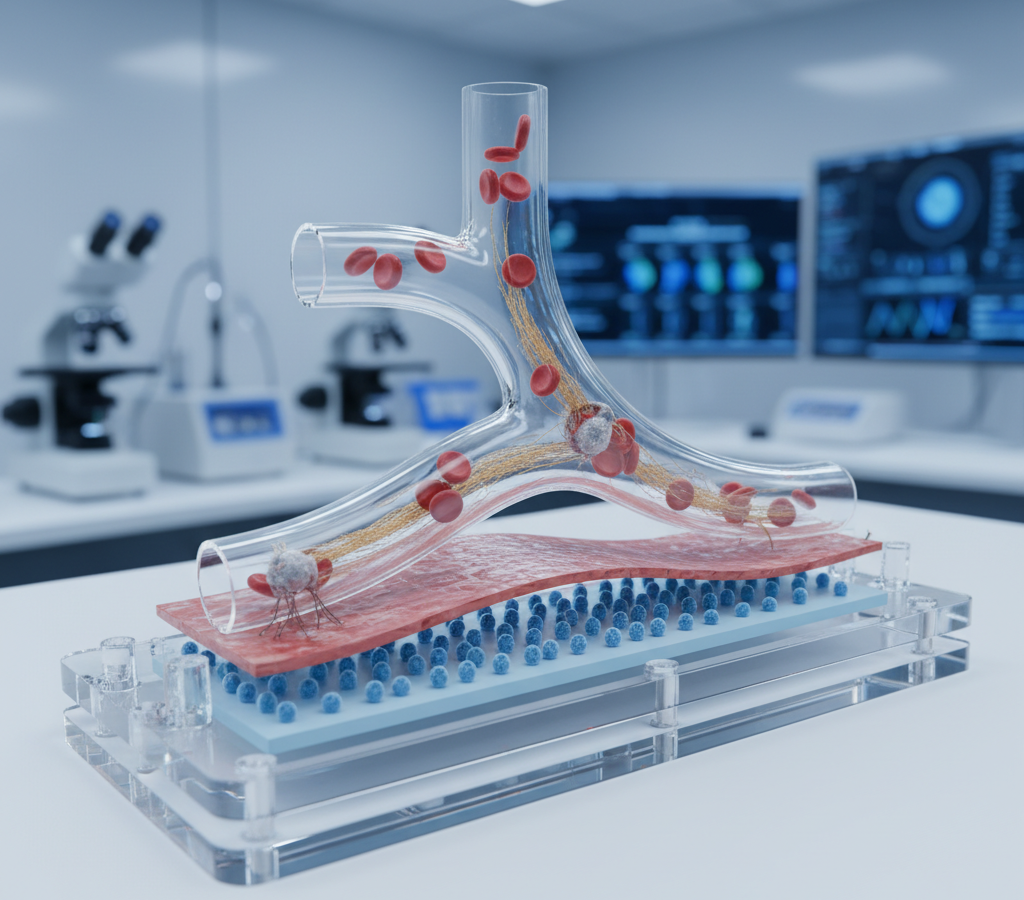
In an exciting development at the intersection of technology and biology, researchers have created 3D-printed versions of human carotid arteries for investigating thrombosis, a condition characterized by blood clots that can lead to severe health complications such as stroke. This innovation opens new avenues for personalized medical treatment and research.
Overview
The breakthrough comes from a study published in Advanced Materials, where researchers detail the creation of 3D-printed carotid artery-on-chips. These devices mimic the function of human arteries and can be used to simulate thrombosis conditions, allowing for precise analysis of clot formation and potential treatments. This development is particularly significant as it offers a personalized approach to studying and treating thrombosis.
Context & Significance
The implications of this research are vast. Thrombosis affects millions worldwide, with associated healthcare costs exceeding $1 billion annually in the United States alone. Traditional methods for investigating blood clots rely on animal models or cell cultures that lack the complexity and individual variability found in human patients. The 3D-printed artery-on-chips overcome these limitations by offering a more accurate representation of how thrombosis develops within specific individuals.
How It Works
The carotid artery-on-chip is constructed using biocompatible materials that mimic the structure and function of human arteries. The 3D-printing process allows for customization, including the incorporation of patient-specific tissue samples or genetic markers to create a personalized model. Once printed, these chips can be subjected to various conditions, such as changes in blood flow or the presence of clotting factors, allowing researchers to observe how thrombosis develops under controlled circumstances.
The system’s design includes microfluidics that simulate blood flow and enable real-time monitoring of clot formation. This technology is a significant step forward from previous models because it not only captures the mechanical aspects of arterial function but also incorporates cellular and molecular components to provide a comprehensive view of thrombosis dynamics.
Real-World Applications
The immediate application of this innovation lies in drug testing and personalized treatment strategies. By using patient-specific models, researchers can identify the most effective medications for individual patients without the risks associated with traditional clinical trials. This precision medicine approach could reduce treatment failure rates and improve patient outcomes.
Additionally, these models offer a platform for training medical professionals to better understand thrombosis mechanisms and prepare for surgical interventions. The potential economic implications are significant; by reducing trial-and-error in treatment selection and improving patient outcomes, healthcare costs associated with thrombosis could be substantially lowered.
What’s Next
The researchers plan to expand their work to include a broader range of cardiovascular conditions and continue refining the 3D-printing process for even greater precision. Future milestones will likely involve clinical trials that integrate these models into patient care pathways, potentially leading to more personalized treatment plans.
As this technology matures, it is expected to become a cornerstone in the field of bioengineering, offering new possibilities for studying and treating complex medical conditions like thrombosis with unprecedented accuracy and personalization.
Related Insights
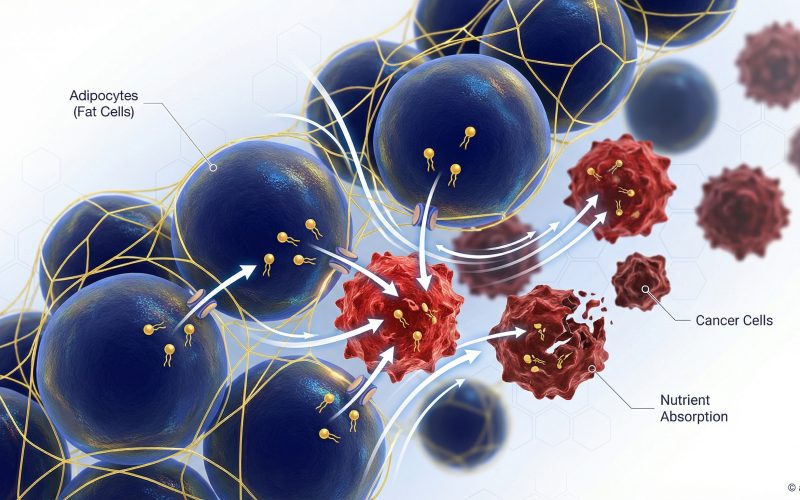
Fat Cells Reprogrammed to Starve Cancer Cells of Nutrients
UCSF researchers have discovered a method that repurposes fat cells into cancer-fighting agents by starving tumor cells.
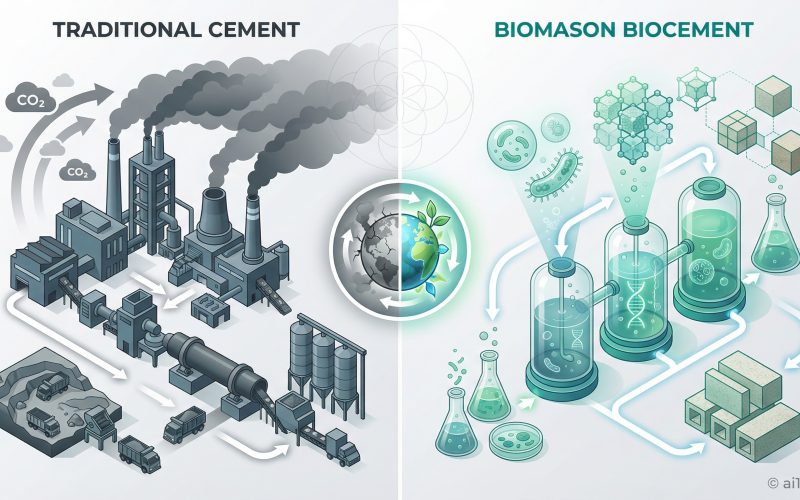
Biomason’s Biological Cement Paves the Way for Carbon-Free Construction
Biomason introduces a planet-friendly cement made through biological processes, eliminating carbon emissions in construction materials.
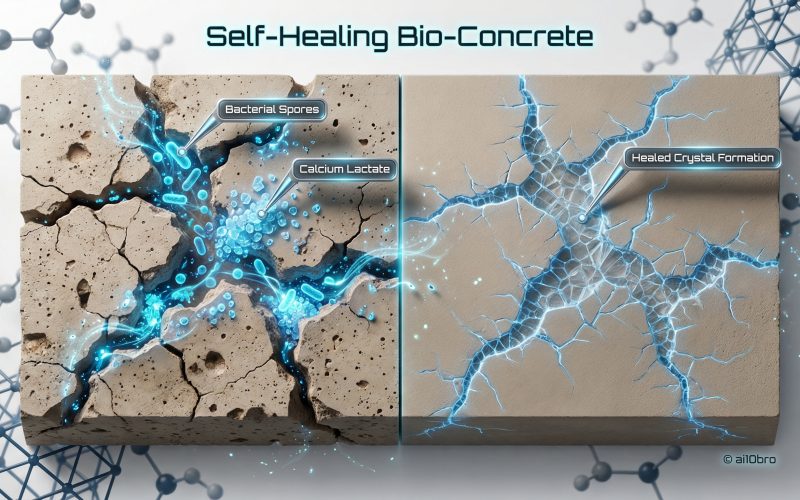
Self-Healing Concrete Uses Additives to Extend Infrastructure Lifespan
Self-healing concrete, a type of concrete that repairs cracks without human intervention, is poised to revolutionize construction and infrastructure projects.