Fat Cells Reprogrammed to Starve Cancer Cells of Nutrients
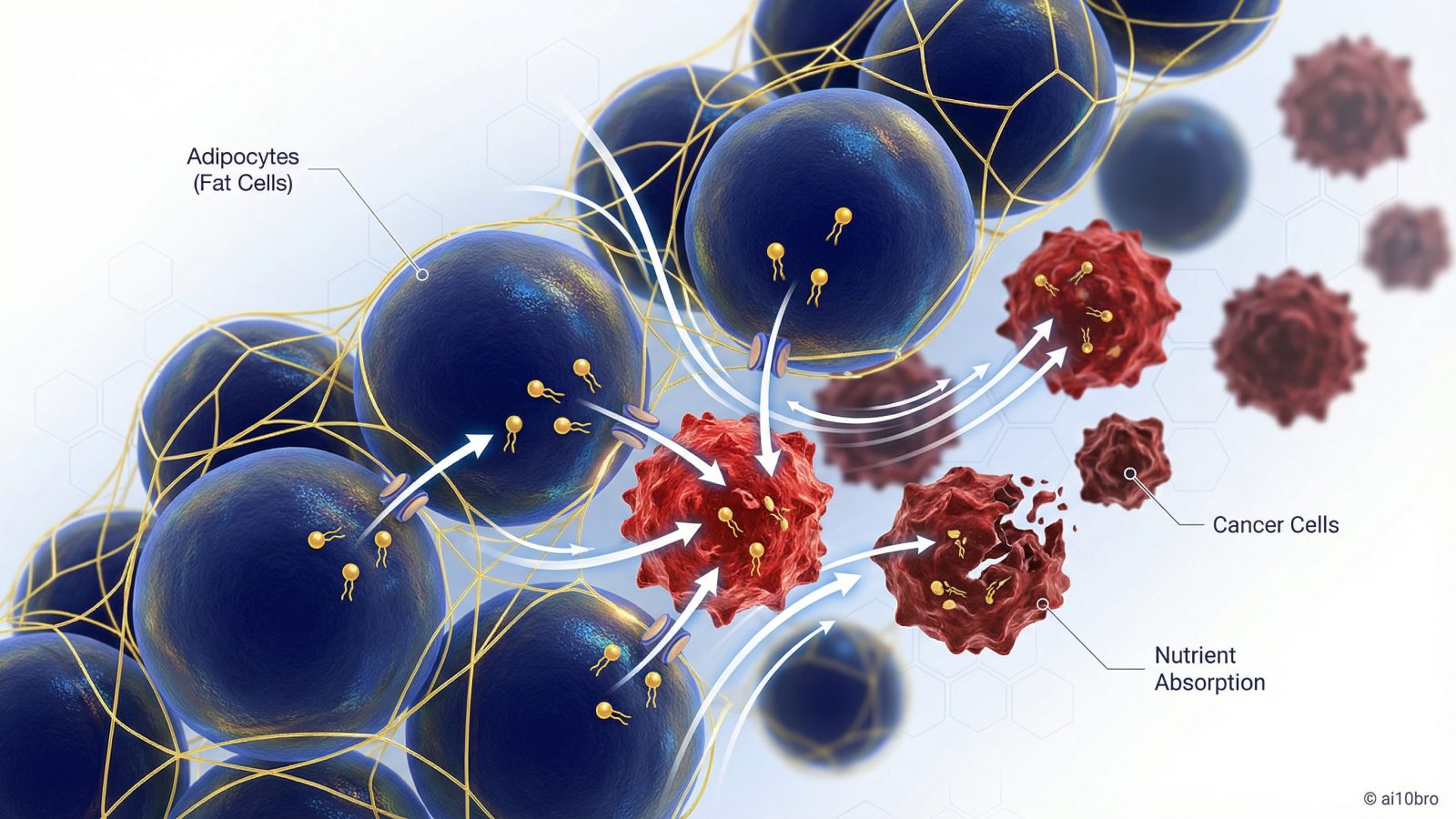
Hungry Fat Cells Could Be the Key to Outsmarting Cancer
A recent study from the University of California, San Francisco (UCSF) has unveiled a groundbreaking approach that transforms ordinary fat cells into potent adversaries against cancer. This innovative method involves reprogramming fat cells to aggressively consume nutrients, effectively starving nearby tumor cells in the process.
An Overview of the Breakthrough
Researchers at UCSF have successfully demonstrated how to manipulate adipocytes—fat-storing cells—into becoming voracious consumers of glucose and amino acids. By doing so, these reprogrammed fat cells can deprive cancerous tumors of essential nutrients they need for growth and survival. This breakthrough was achieved through a combination of genetic modifications and chemical treatments that alter the metabolic pathways within the adipocytes.
Context & Significance
The potential impact of this research is profound, given that cancer cells are notorious for their voracious appetite for nutrients, which fuels their rapid proliferation. By outcompeting these malignant cells in nutrient uptake, UCSF’s approach could provide a new therapeutic avenue to slow or halt tumor growth, potentially complementing existing treatments such as chemotherapy and radiation.
The global market for cancer therapies is expected to reach $250 billion by 2030. The UCSF method represents an innovative solution within this expanding sector, one that could significantly enhance treatment outcomes while reducing reliance on more invasive or toxic methods.
How It Works
The mechanism behind the reprogramming of fat cells involves targeted gene editing to activate genes responsible for nutrient uptake and metabolism. Specifically, researchers introduced a series of genetic modifications that upregulate glucose transporters and amino acid transmembrane transport systems in adipocytes. These changes enable fat cells to absorb nutrients more efficiently than cancer cells, thereby depriving the latter of essential resources.
Moreover, these reprogrammed fat cells were engineered to produce anti-tumor agents upon nutrient uptake, further enhancing their therapeutic effects. This dual approach not only starves cancer cells but also directly attacks them with localized drug delivery mechanisms.
Real-World Applications
The immediate applications of this technology could include its integration into existing cancer treatment protocols to improve patient outcomes and reduce side effects associated with chemotherapy. Companies in the biotechnology sector, such as Genentech and Amgen, are likely to explore collaborations or investments in this promising new therapy.
From a broader perspective, this method opens up possibilities for personalized medicine approaches where adipocytes from individual patients could be reprogrammed ex vivo before being reintroduced into the body. This customized treatment strategy could significantly enhance efficacy and reduce systemic side effects.
What’s Next
The next steps involve further preclinical testing to validate the safety and effectiveness of this method in animal models. If successful, clinical trials with human patients will follow, likely within the next 3-5 years. The UCSF team is also exploring ways to optimize the reprogramming process for broader applicability across different types of cancer.
This development represents a significant milestone in the ongoing battle against cancer, potentially offering a novel and less invasive approach that leverages the body’s own resources to combat this deadly disease.
Related Insights
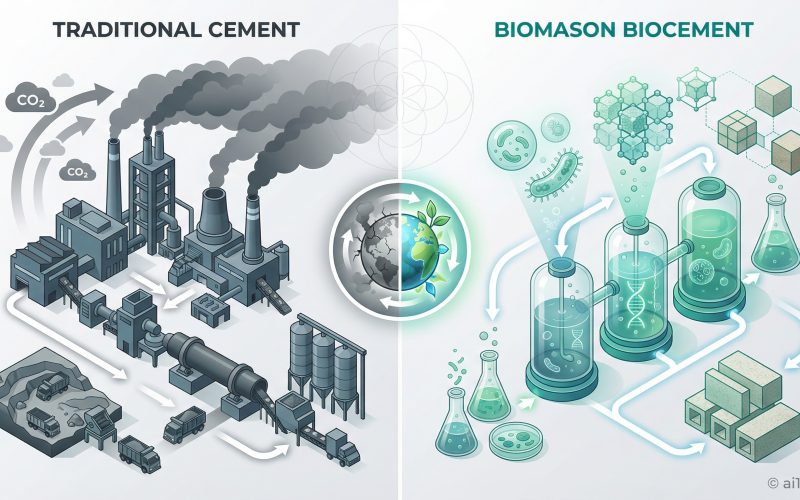
Biomason’s Biological Cement Paves the Way for Carbon-Free Construction
Biomason introduces a planet-friendly cement made through biological processes, eliminating carbon emissions in construction materials.
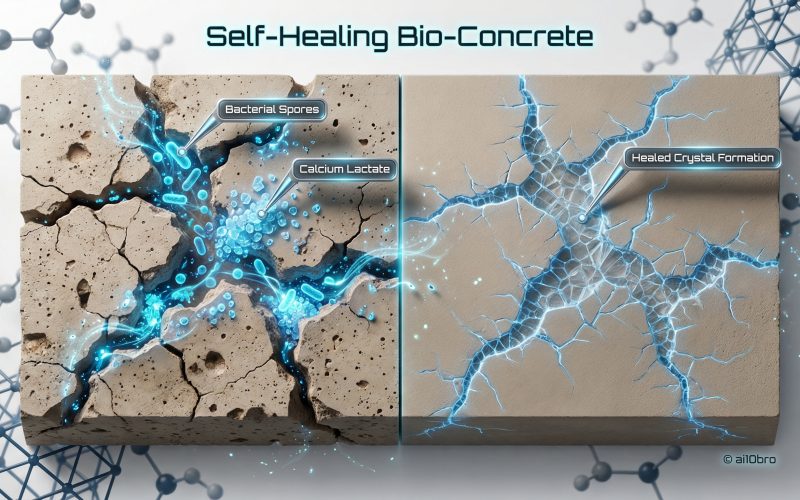
Self-Healing Concrete Uses Additives to Extend Infrastructure Lifespan
Self-healing concrete, a type of concrete that repairs cracks without human intervention, is poised to revolutionize construction and infrastructure projects.
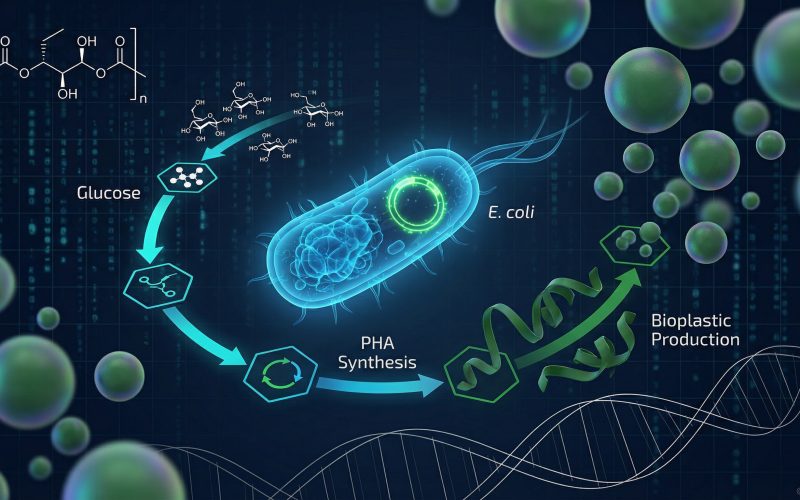
E. coli Engineered to Produce Bioplastics Offers Sustainable Alternative
Amateur bioinnovator shares breakthrough in synthetic biology, using E. coli to produce biodegradable PHAs as sustainable plastic alternative.