E. coli Engineered to Produce Bioplastics Offers Sustainable Alternative
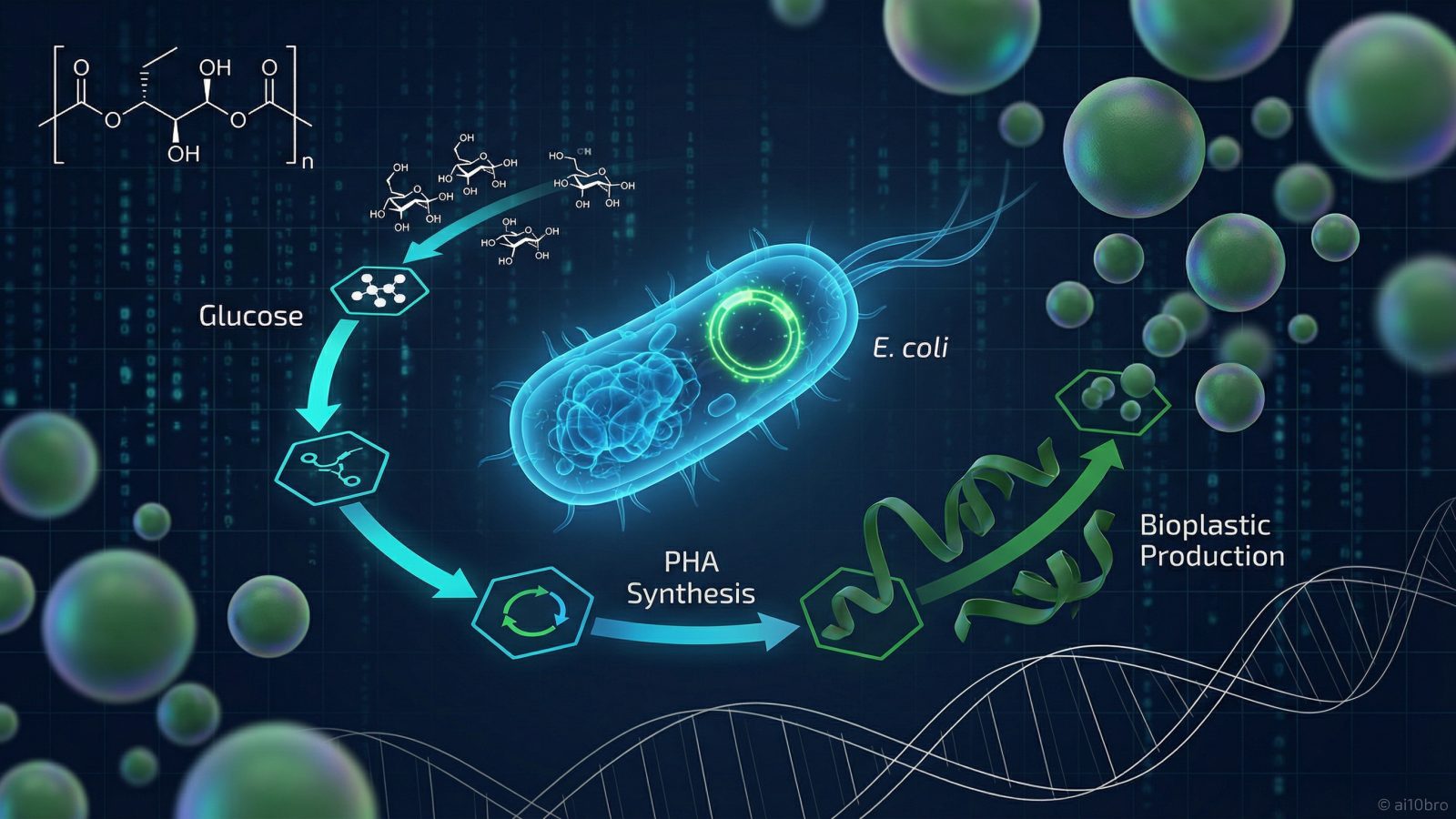
In a promising leap forward for sustainable materials science, an amateur bioinnovator has successfully engineered E. coli bacteria to produce polyhydroxyalkanoates (PHAs), a type of bioplastic. This project, shared on Reddit’s synthetic biology community, highlights the potential of microbial fermentation as a viable alternative to traditional petrochemical-based plastics.
Overview: A Community-Driven Breakthrough
The project, developed by u/Pogcam, models a synthetic plasmid in E. coli that expresses a biosynthetic pathway for PHA production. This achievement not only showcases the power of community-driven science but also demonstrates the potential for widespread adoption of sustainable materials.
Context & Significance: A Sustainable Future
The development of bioplastics such as PHAs is critical in addressing environmental concerns associated with traditional plastics, including microplastic pollution and non-degradable waste. The global market for biodegradable plastics is expected to reach $13 billion by 2030, according to research firm MarketsandMarkets.
Previous Limitations
Prior efforts in PHA production have faced challenges related to cost and scalability. This project marks a significant step forward in making bioplastics economically viable through microbial synthesis.
How It Works: A Technical Breakdown
The core of the innovation lies in engineering E. coli to express a biosynthetic pathway that converts glucose into PHAs, a class of biodegradable polyesters. The process involves inserting specific genes from other microorganisms capable of producing these polymers.
Innovative Methodology
The project leverages Benchling, an open-source software platform for synthetic biology, to model and design the plasmid. This method streamlines the genetic engineering process by allowing precise control over gene expression and regulation within the E. coli host.
Real-World Applications: Transforming Industries
The production of bioplastics via microbial fermentation could revolutionize industries such as packaging, textiles, and agriculture. Companies already exploring PHA-based products include Biome Technologies in Australia and Metabolix in the United States.
Economic Implications
Adoption of these sustainable materials could lead to significant cost savings for businesses due to reduced waste management expenses and potential tax incentives for using eco-friendly materials. The market is poised for rapid growth as consumer demand for greener products increases.
What’s Next: Scaling Up Sustainability
The next steps involve scaling up the production process from laboratory conditions to industrial levels. While current costs are higher than traditional plastics, advancements in genetic engineering and fermentation technology could soon make bioplastics more competitive.
This project aligns with larger sustainability goals by reducing dependence on fossil fuels and mitigating environmental damage caused by non-biodegradable waste. The potential for widespread adoption of PHAs as a viable plastic alternative is promising, offering a hopeful outlook for a sustainable future.
Related Insights
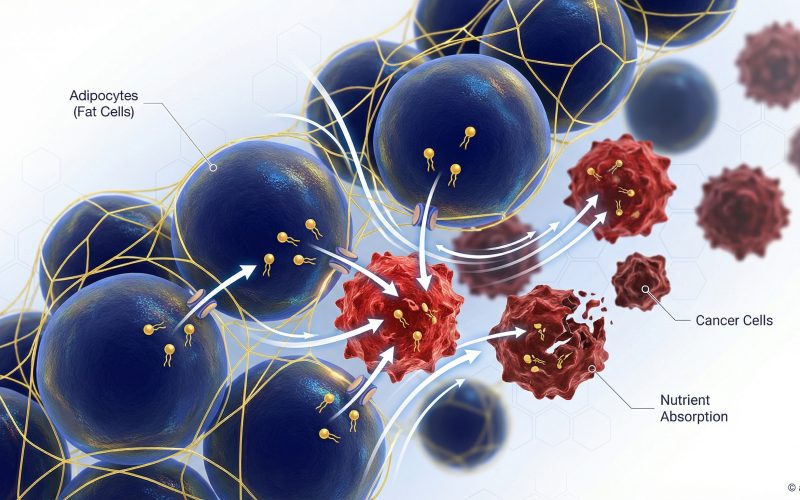
Fat Cells Reprogrammed to Starve Cancer Cells of Nutrients
UCSF researchers have discovered a method that repurposes fat cells into cancer-fighting agents by starving tumor cells.
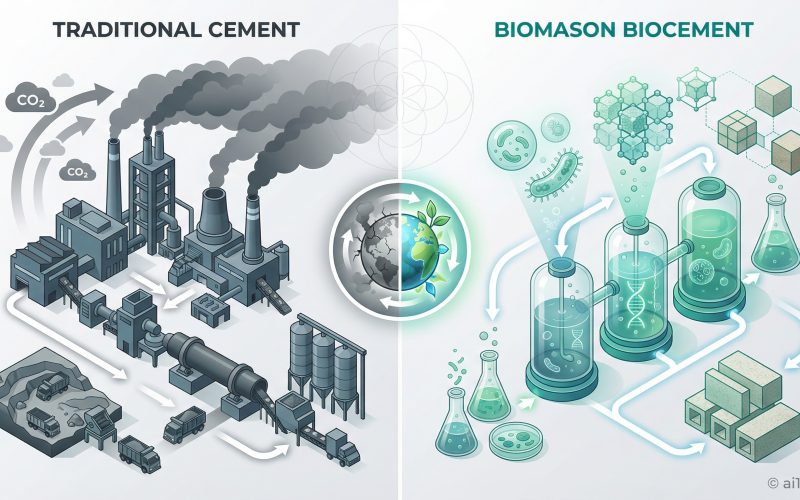
Biomason’s Biological Cement Paves the Way for Carbon-Free Construction
Biomason introduces a planet-friendly cement made through biological processes, eliminating carbon emissions in construction materials.
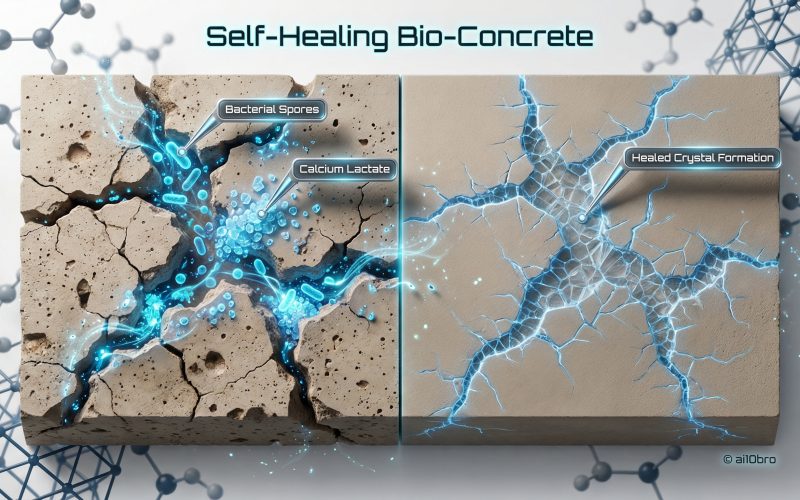
Self-Healing Concrete Uses Additives to Extend Infrastructure Lifespan
Self-healing concrete, a type of concrete that repairs cracks without human intervention, is poised to revolutionize construction and infrastructure projects.