Self-Healing Concrete Uses Additives to Extend Infrastructure Lifespan
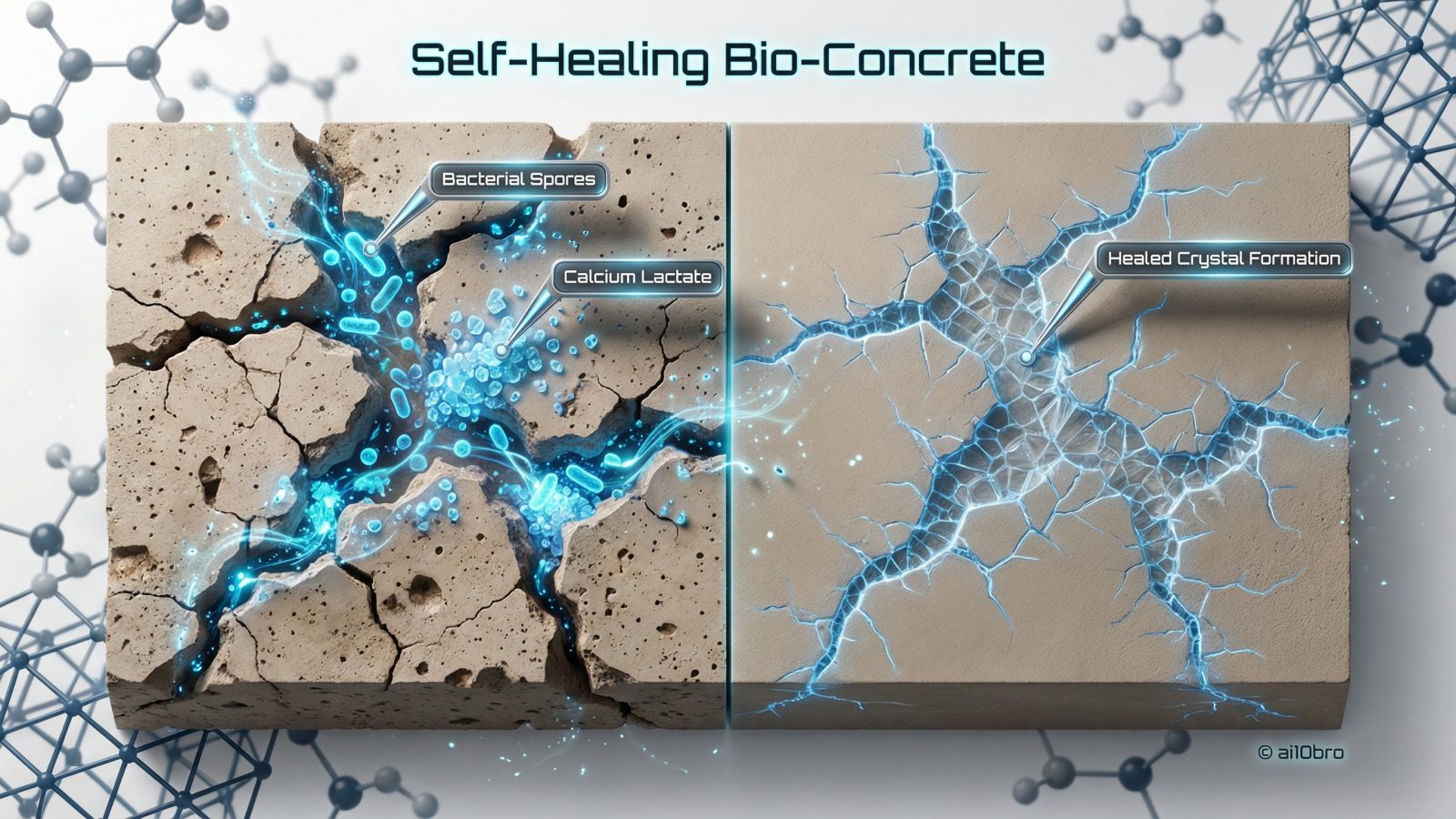
The Construction Industry Gets a Boost with Self-Healing Concrete
Researchers have developed self-healing concrete that autonomously repairs its own cracks. This innovation could extend the lifespan of buildings, bridges, and other structures by decades, potentially transforming how we build and maintain infrastructure worldwide.
The Breakthrough
The concept of self-healing concrete revolves around special additives mixed into the concrete mix that enable it to repair cracks without human intervention. These additives can be in the form of microcapsules containing healing agents or bacteria that produce calcium carbonate (a key component of limestone) when water enters a crack.
Why It Matters
The introduction of self-healing concrete marks a significant advancement, addressing one of the primary challenges faced by infrastructure projects: durability. Traditional concrete structures often suffer from cracks caused by environmental factors and physical stress, leading to expensive repairs and safety risks.
This innovation not only promises extended lifespans for buildings and bridges but also enhances their resilience in earthquake-prone regions. Given that global spending on construction is expected to reach $15 trillion by 2030, self-healing concrete represents a substantial economic opportunity.
How It Works
The process of self-healing in this type of concrete can be broken down into two primary methods: the use of encapsulated healing agents and bacterial activation.
In the first method, microcapsules filled with a healing agent are mixed into the concrete. When cracks form, these capsules rupture, releasing the healing agent that fills the gaps and hardens over time. This approach ensures continuous structural integrity even under repeated stress.
The second method involves embedding bacteria within the concrete mix. These bacteria, which produce calcium carbonate when exposed to moisture, effectively seal off any cracks that form. The bacteria remain dormant until activated by water entering a crack, thus initiating the self-healing process.
Real-World Applications
The potential applications of self-healing concrete are vast and varied. From constructing bridges in seismically active areas to extending the life of commercial buildings, this technology has the potential to significantly reduce maintenance costs and improve safety standards across numerous sectors.
Several companies have already shown interest in adopting or developing their versions of this innovative material. With growing environmental concerns and a push towards more sustainable construction practices, self-healing concrete aligns well with broader sustainability goals. The timeline for commercialization remains uncertain but is anticipated to see substantial progress within the next decade.
Next Steps
The immediate challenge lies in overcoming cost barriers and scalability issues associated with producing large quantities of self-healing concrete. Research continues to focus on improving the efficacy and durability of these materials, making them more accessible for widespread use.
In addition to commercialization efforts, ongoing studies aim to explore how this technology can be integrated into existing construction projects as well as new builds. The potential benefits are clear: extended lifespans, reduced maintenance costs, and safer infrastructure. As we continue to address the impacts of climate change, self-healing concrete stands out as a promising solution for building resilience in our built environment.
Related Insights
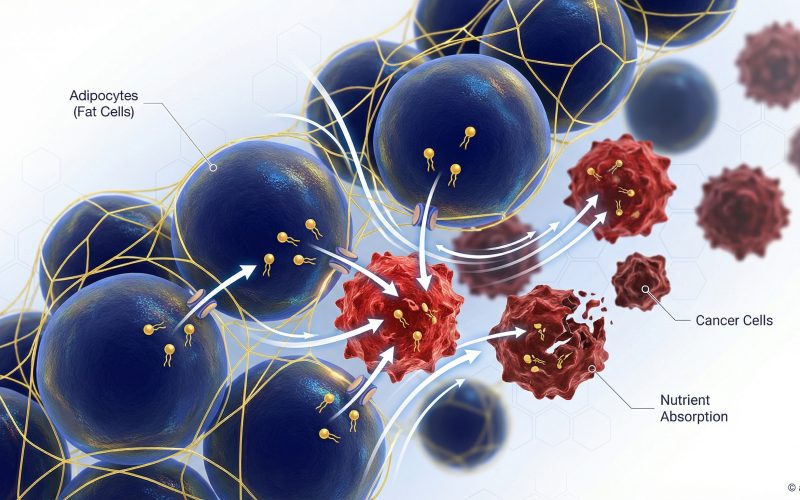
Fat Cells Reprogrammed to Starve Cancer Cells of Nutrients
UCSF researchers have discovered a method that repurposes fat cells into cancer-fighting agents by starving tumor cells.
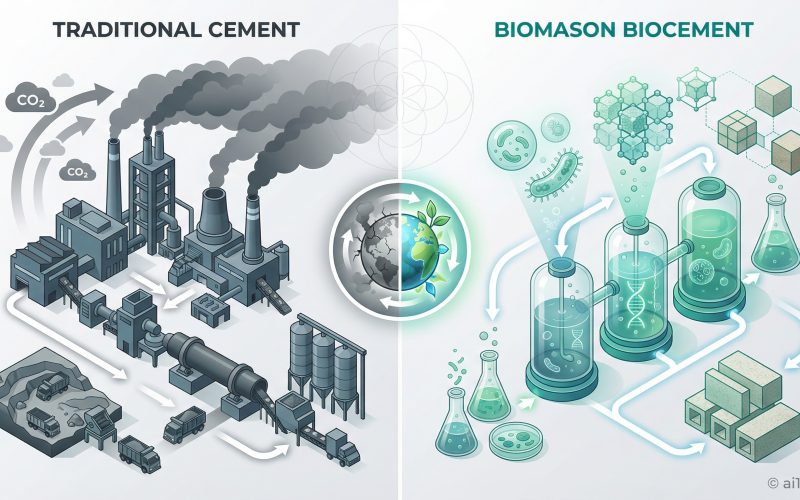
Biomason’s Biological Cement Paves the Way for Carbon-Free Construction
Biomason introduces a planet-friendly cement made through biological processes, eliminating carbon emissions in construction materials.
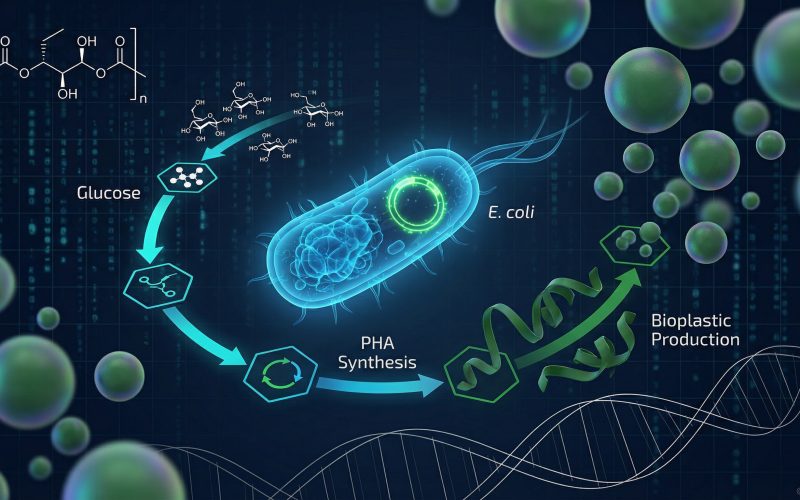
E. coli Engineered to Produce Bioplastics Offers Sustainable Alternative
Amateur bioinnovator shares breakthrough in synthetic biology, using E. coli to produce biodegradable PHAs as sustainable plastic alternative.