CRISPR-Enhanced Fungus Offers Sustainable Protein Source with Meat-like Texture
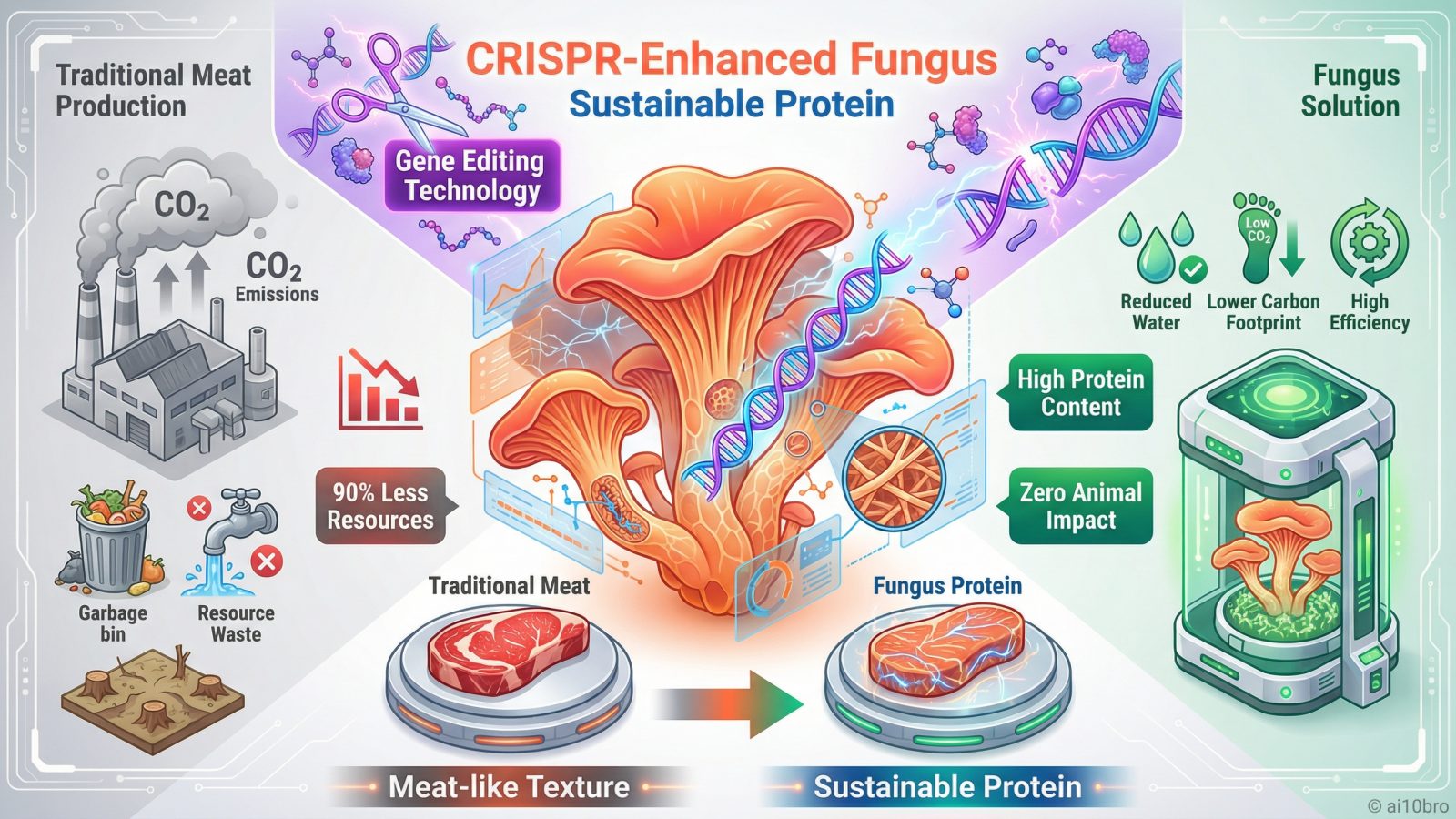
Hook: Scientists have developed a new fungal food product that promises to be as nutritious as traditional animal proteins but with significantly reduced environmental impact. This breakthrough involves genetically modifying fungi using CRISPR technology.
Overview
In an innovative leap forward for sustainable protein production, researchers have successfully engineered a fungus that is not only rich in protein content but also closely mimics the taste and texture of meat. This project leverages CRISPR gene-editing to enhance the nutritional profile and culinary appeal of fungi. The team’s focus was on creating a product that could serve as an environmentally friendly alternative to traditional animal-based proteins.
Context & Significance
The development of this protein-packed fungus is part of a broader movement aimed at reducing the environmental footprint of food production, particularly in light of rising global demand for meat and its associated issues with land use, water consumption, and greenhouse gas emissions. By 2030, the alternative protein market is expected to reach $162 billion globally, presenting substantial opportunities for innovation.
Moreover, this breakthrough addresses concerns about food security and sustainability in a world facing increasing pressure on natural resources. The fungus could be grown year-round with significantly less environmental impact compared to traditional livestock farming.
How It Works
The Role of CRISPR Technology
The researchers employed CRISPR-Cas9 gene-editing technology to modify the genetic makeup of a common fungus species. By selectively editing genes responsible for protein synthesis and texture, they were able to enhance the fungus’s nutritional profile while also ensuring that its taste and mouthfeel closely resemble those of conventional meat products.
Breakthrough Innovations
This breakthrough involves several key innovations:
- Nutritional Enhancement: The edited genes boost protein content, making the fungus a viable alternative to animal-based proteins for consumers looking to reduce their environmental impact.
- Taste and Texture Improvement: By targeting specific genes related to cell structure and composition, researchers have fine-tuned the fungus’s texture to match that of meat products.
- Sustainability: The production process is notably more environmentally friendly compared to traditional animal protein sources, requiring less land, water, and generating fewer greenhouse gas emissions.
Real-World Applications
The real-world applications of this fungus are vast. It can be used in a variety of food products, from meat substitutes to plant-based burgers and sausages. Leading food companies have already expressed interest in incorporating this innovation into their product lines.
Market Potential
This development holds significant economic potential. By 2030, the alternative protein market is forecasted to grow substantially, driven by consumer demand for sustainable and healthy food options. Companies like Beyond Meat and Impossible Foods are likely to explore partnerships or acquisitions in this space.
Commercialization Timeline
The fungus is currently undergoing rigorous testing and regulatory approvals before commercial launch. However, early feedback from taste tests suggests strong consumer acceptance, indicating a promising path towards broad market adoption.
What’s Next?
The immediate next steps involve securing additional funding for large-scale production trials and obtaining necessary regulatory clearances. The team aims to bring this product to market within the next two years, aiming to contribute significantly to global food security efforts while reducing environmental impact.
Related Insights
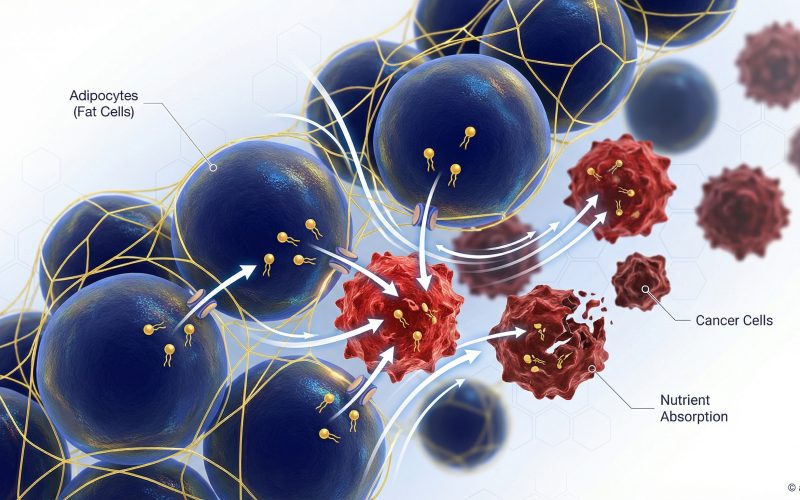
Fat Cells Reprogrammed to Starve Cancer Cells of Nutrients
UCSF researchers have discovered a method that repurposes fat cells into cancer-fighting agents by starving tumor cells.
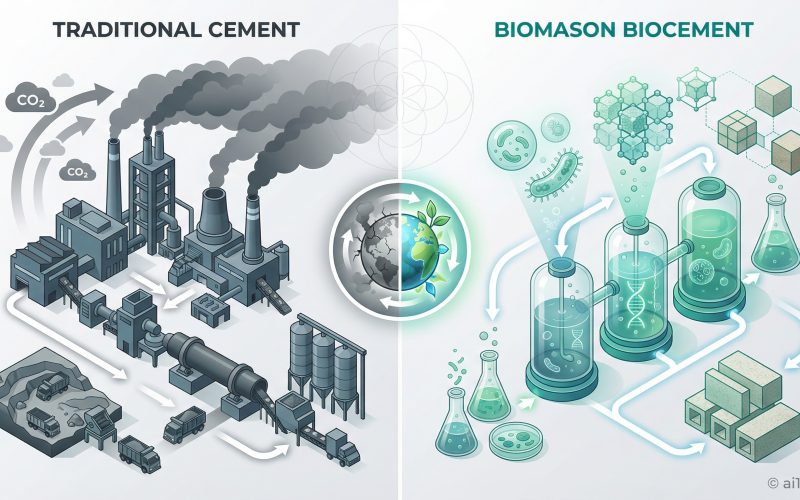
Biomason’s Biological Cement Paves the Way for Carbon-Free Construction
Biomason introduces a planet-friendly cement made through biological processes, eliminating carbon emissions in construction materials.
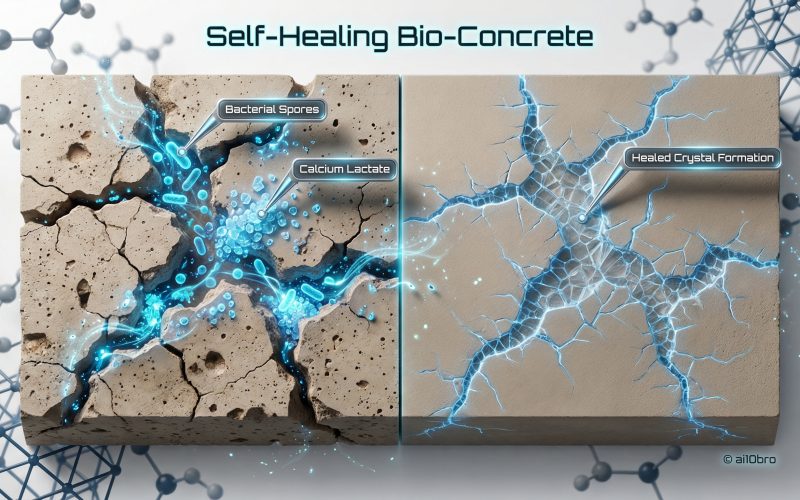
Self-Healing Concrete Uses Additives to Extend Infrastructure Lifespan
Self-healing concrete, a type of concrete that repairs cracks without human intervention, is poised to revolutionize construction and infrastructure projects.