Self-healing Fungi Concrete Offers Sustainable Solution to Infrastructure Decay
Overview
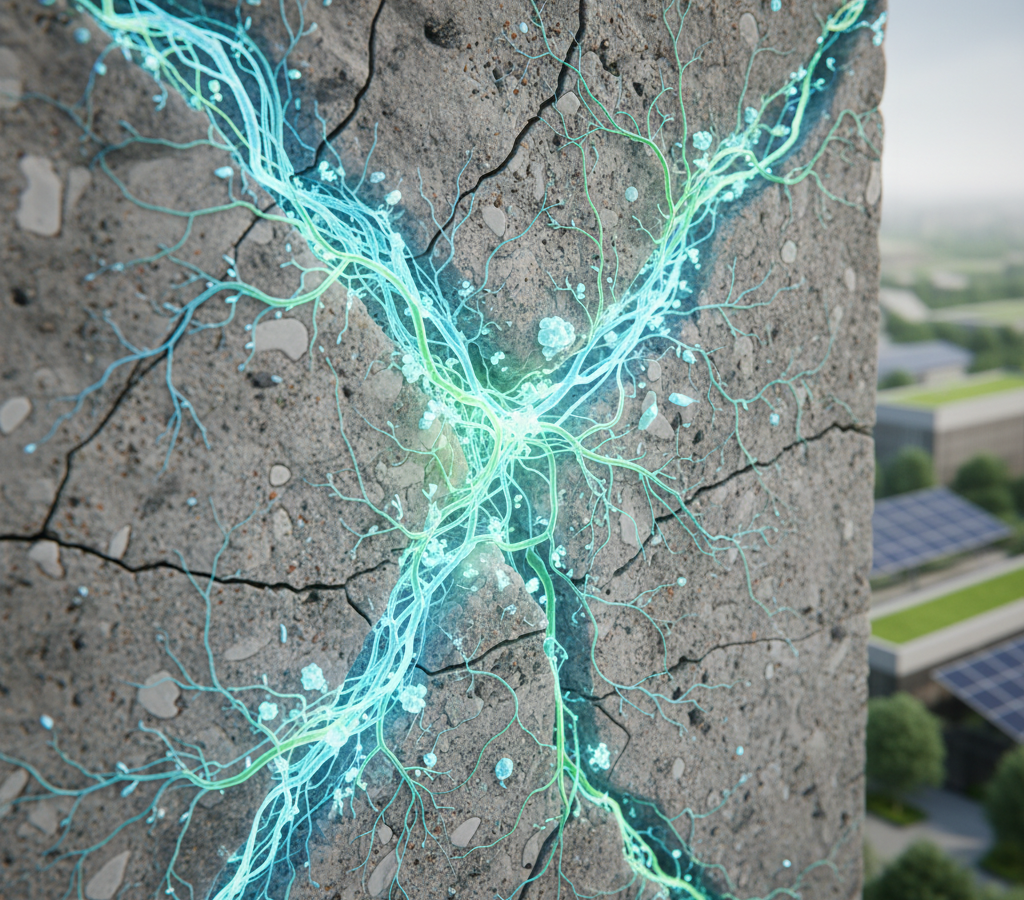
Researchers at Binghamton University have developed a self-healing fungi concrete that could revolutionize how we address the decay of aging concrete structures. The bio-concrete integrates living fungal spores into its matrix, which germinate in response to water and nutrients, effectively repairing cracks as they form. This breakthrough addresses one of America’s most pressing challenges: the deterioration of its vast infrastructure.
Context & Significance
The discovery of self-healing fungi concrete comes at a critical juncture for American infrastructure. With over 40% of the nation’s roads in need of repair or replacement, and bridges and buildings suffering from similar decay, the cost to taxpayers is staggering—estimated at hundreds of billions annually. This bio-concrete could provide a sustainable solution by significantly extending the lifespan of these structures.
How It Works
The self-healing fungi concrete works through an innovative biological mechanism. When cracks form within the concrete, fungal spores embedded in the mixture encounter moisture and nutrients, causing them to germinate. These fungi secrete calcium carbonate, a natural cementitious material that fills the cracks, creating a stable seal. The fungi can live for decades without nutrient depletion, ensuring long-term repair capabilities.
Technical Breakdown
The concrete’s design involves embedding spores of Trougopteris reseki, a species of fungus known for its ability to survive in harsh conditions. The mixture is carefully formulated to ensure the fungi remain dormant until activated by water ingress through cracks. Once active, the fungi generate calcium carbonate, effectively ‘healing’ the concrete.
Real-world Applications
This bio-concrete holds significant potential for a wide range of applications. From repairing bridges and roads to extending the lifespan of buildings, the technology could reduce maintenance costs while enhancing structural integrity. As infrastructure continues to age, this innovation offers a promising solution to prevent catastrophic failures.
Several companies have already expressed interest in adopting the technology, with pilot projects planned for key transportation corridors and high-risk structures across the United States.
What’s Next
The next steps involve scaling up production capabilities and conducting extensive testing to validate performance under various environmental conditions. Researchers aim to commercialize the product within five years, with ongoing efforts focused on enhancing durability and optimizing fungal strains for maximum efficacy.
This innovation aligns with broader sustainability goals by offering a natural solution to infrastructure repair that reduces waste and minimizes carbon footprints associated with traditional concrete maintenance practices.
Related Insights
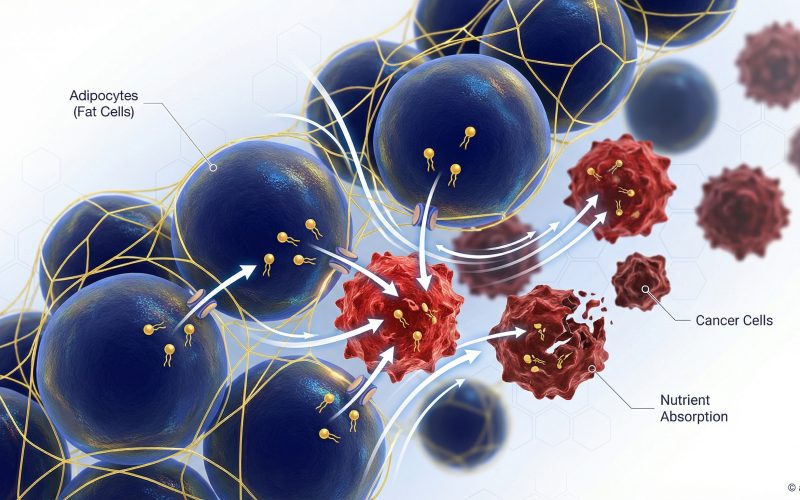
Fat Cells Reprogrammed to Starve Cancer Cells of Nutrients
UCSF researchers have discovered a method that repurposes fat cells into cancer-fighting agents by starving tumor cells.
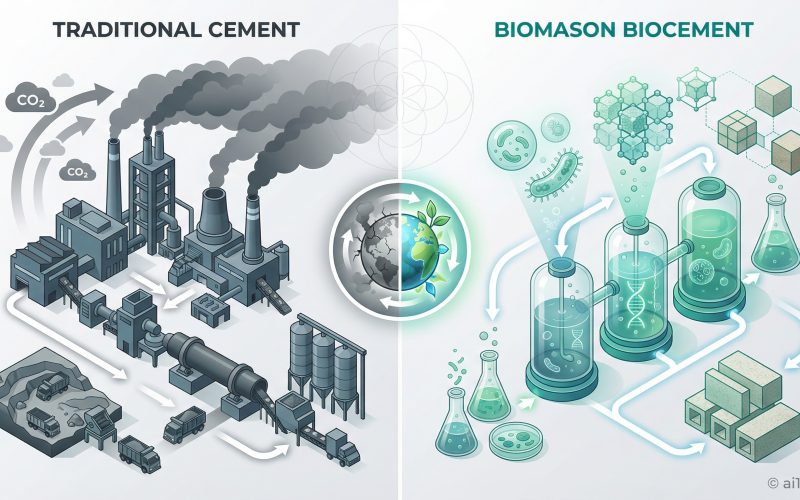
Biomason’s Biological Cement Paves the Way for Carbon-Free Construction
Biomason introduces a planet-friendly cement made through biological processes, eliminating carbon emissions in construction materials.
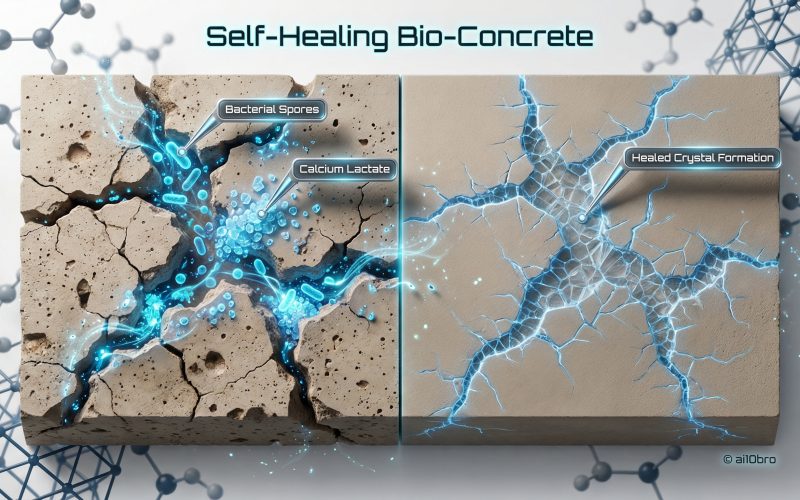
Self-Healing Concrete Uses Additives to Extend Infrastructure Lifespan
Self-healing concrete, a type of concrete that repairs cracks without human intervention, is poised to revolutionize construction and infrastructure projects.