Deep Dive: DARPA GO Generative Optogenetics: Transforming Neural Control
This deep dive explores the groundbreaking work of DARPA’s GO program, which uses generative optogenetics to precisely control neural activity. It delves into the technology, its implications for neuroscience and medicine, and potential future applications.
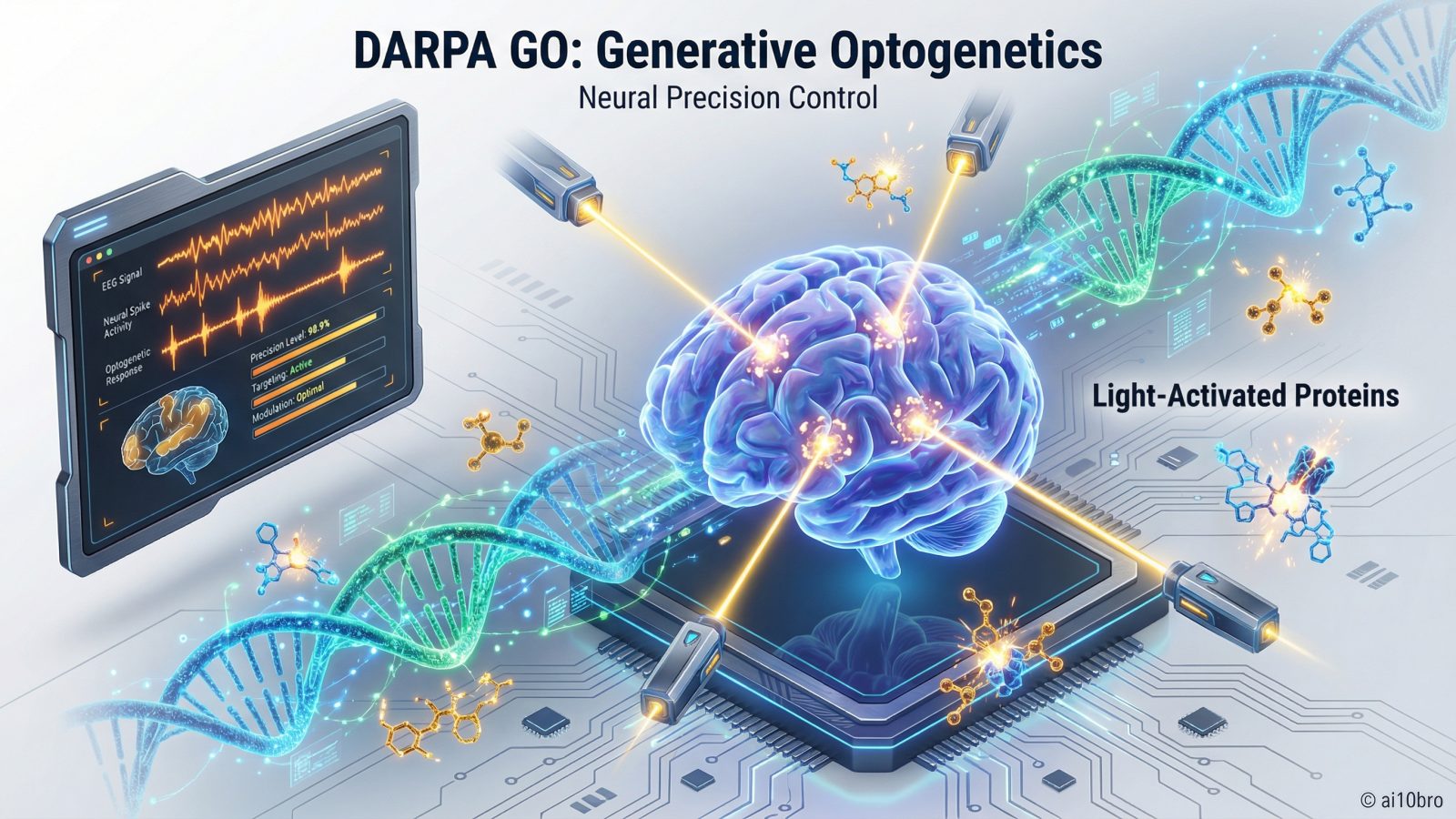
EXECUTIVE SUMMARY
DARPA’s Generative Optogenetics (GO) program represents a significant leap forward in the field of neuroengineering by providing precise control over neural activity using light. This technology allows researchers to manipulate neurons with unprecedented specificity, opening new avenues for understanding brain function and treating neurological disorders. The GO program utilizes advanced genetic engineering techniques combined with sophisticated optical systems to achieve its goals. While still in developmental stages, the potential applications are vast, ranging from basic neuroscience research to clinical treatments. Moving forward, the success of this technology could reshape how we interact with and understand the human nervous system.
BACKGROUND & CONTEXT
The field of optogenetics has evolved significantly since its inception in 2005 by Karl Deisseroth’s team at Stanford University. Traditional optogenetics involves using light-sensitive proteins to control neurons, but this approach was limited by the precision and scalability of targeting specific neuron types within complex neural circuits. The GO program builds on these foundational concepts by incorporating generative models that allow for more precise manipulation of neural activity. Prior attempts in this field faced challenges such as the difficulty in delivering genetic material to target cells without causing damage, and the challenge of controlling neurons in live organisms with real-time precision.
The economic drivers behind optogenetics research include the potential for significant medical advancements and the growing demand for innovative treatments for neurological conditions like Parkinson’s disease, epilepsy, and depression. Key players in this space include major pharmaceutical companies, academic institutions focused on neuroscience research, and government agencies like DARPA that fund cutting-edge technology projects.
THE BREAKTHROUGH
The GO program achieves its breakthrough by integrating advanced genetic engineering with novel optical technologies to create a system capable of precise neural control. This involves the use of synthetic biology techniques to introduce light-sensitive proteins into specific neuron types, enabling researchers to activate or inhibit these neurons using targeted light sources. The technology surpasses previous methods through enhanced specificity and scalability.
Data from initial studies show significant improvements in both the precision and efficiency of neural manipulation compared to traditional optogenetic approaches. Key innovations include the development of new genetic vectors that can deliver genes with high fidelity and the use of machine learning algorithms to optimize light patterns for effective neural modulation. These advancements make the GO system a powerful tool not only for research but also for potential clinical applications.
TECHNICAL DEEP DIVE
The GO technology works by first engineering cells with genes that produce light-sensitive proteins, such as channelrhodopsins and halorhodopsins. These proteins are activated or deactivated by specific wavelengths of light, allowing researchers to control the electrical activity of neurons. The system includes sophisticated optical devices for delivering precise light pulses to targeted areas within the brain.
The scientific principles involved include gene editing techniques like CRISPR-Cas9 and advanced optics that can deliver light with subcellular precision. Challenges overcome by the GO program include developing methods to ensure safe genetic delivery without causing damage or unwanted immune responses, as well as overcoming the issue of scattering of light in tissue.
MARKET & INDUSTRY IMPLICATIONS
The potential applications for GO technology are broad and impactful. In research settings, it will allow scientists to dissect complex neural circuits with unprecedented detail, advancing our understanding of brain function. Clinically, the ability to precisely modulate neural activity could lead to more effective treatments for neurological disorders.
Economically, the market for neurotechnologies is expected to grow as interest in personalized medicine and novel therapies increases. Companies poised to benefit include those focused on gene therapy, optogenetic device manufacturing, and pharmaceuticals developing new treatments leveraging these technologies. Conversely, companies relying solely on traditional pharmacological approaches may face challenges if GO technology proves more effective.
EXPERT PERSPECTIVES
Experts in the field view the GO program as a significant step forward but also acknowledge its limitations and potential risks. Concerns include the long-term effects of genetic modifications on neural health and the ethical considerations of manipulating brain function.
FUTURE IMPLICATIONS & TIMELINE
In the near term, expect further refinement of GO technology to improve safety and efficacy. Medium-term potential includes clinical trials for specific neurological conditions. Long-term visions include widespread use in both research and treatment settings, potentially leading to a paradigm shift in neurology.
CONCLUSION
The GO program represents a major advancement in optogenetics with profound implications for neuroscience and medicine. While challenges remain, the potential benefits make it an exciting area of ongoing research and development. As this technology evolves, watch for breakthroughs in clinical applications and continued innovation in genetic engineering techniques.
Related Analysis
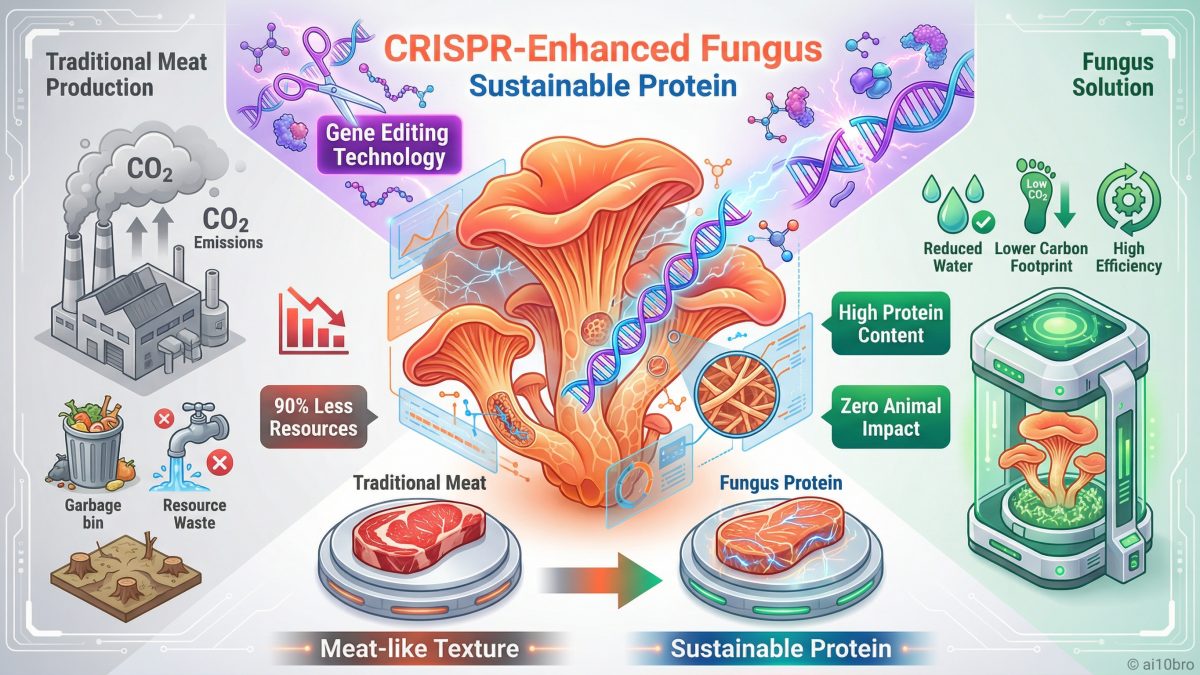
Deep Dive: CRISPR-Fungus Technology Paves Way for Sustainable Protein Sources
A breakthrough in genetic engineering uses CRISPR technology to modify fungi into a protein-rich, meat-like alternative. This deep dive explores…
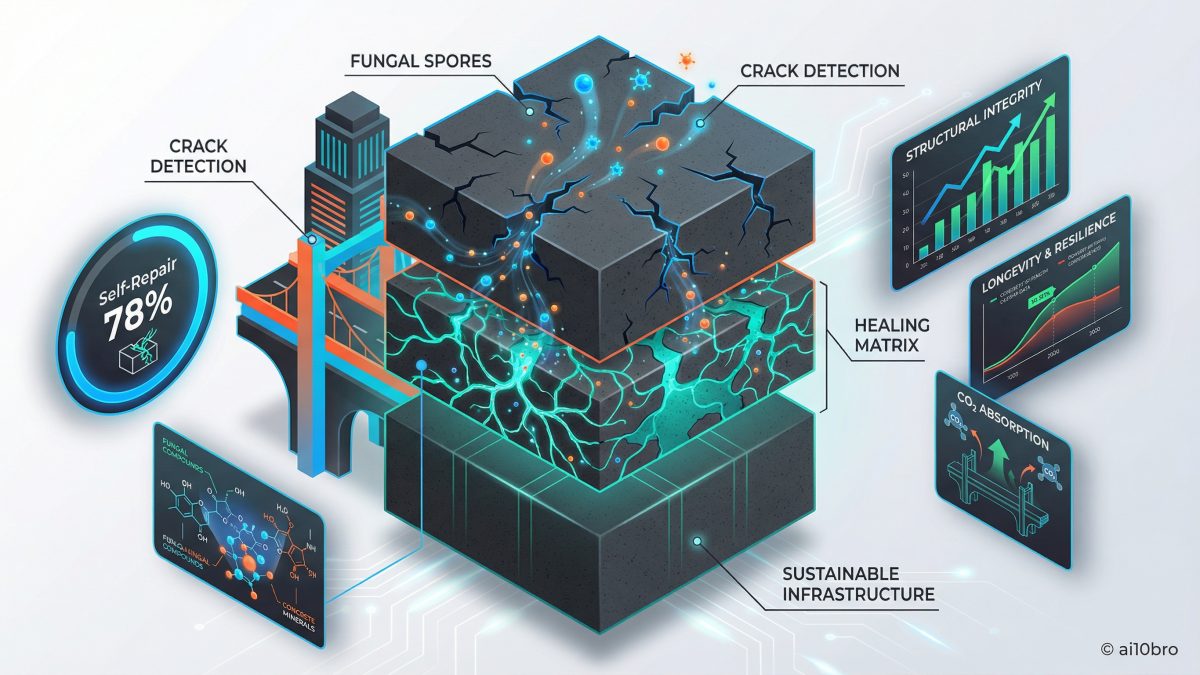
Deep Dive: The Potential of Fungi-Based Self-healing Concrete in Infrastructure Repair
This deep dive explores how self-healing fungi concrete offers a sustainable solution for repairing aging infrastructure. By analyzing its technical…