AI-Powered Platform Screens 69 Billion Molecules, Finds FSP1 Inhibitors
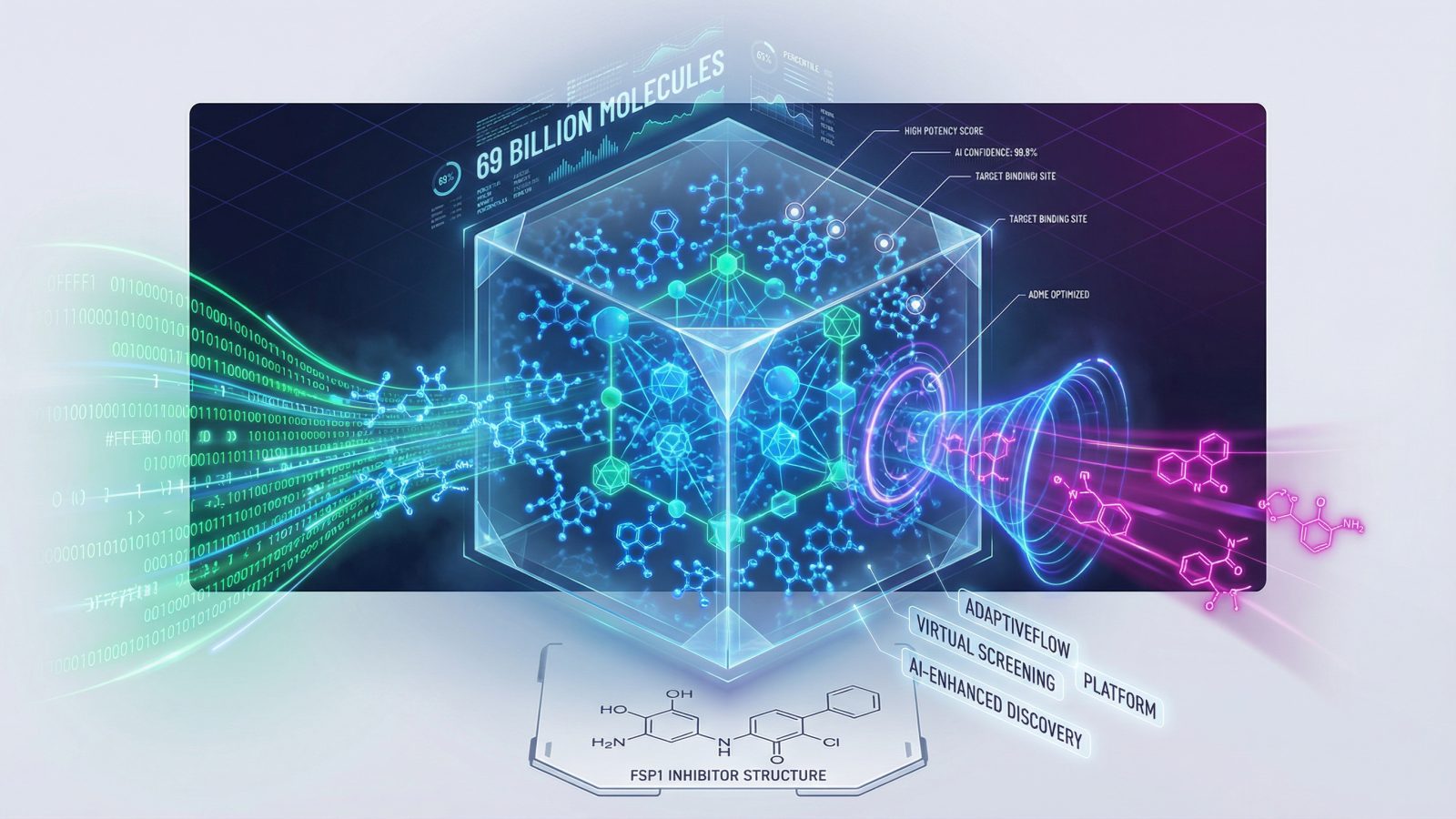
In a groundbreaking leap forward in bioinformatics and drug discovery, an international team of researchers has unveiled an advanced AI-powered platform capable of exploring an unprecedented number of molecular structures. This sophisticated system screened over 69 billion molecules to identify potent inhibitors of FSP1 (Ferroptosis Susceptibility Protein 1), opening new avenues for therapeutic development.
Overview
The research, published by a large collaborative team from various institutions including Harvard University and MIT, describes an AI-enhanced adaptive virtual screening platform designed to identify novel compounds with specific biochemical activity. The platform leverages advanced machine learning algorithms to sift through vast chemical databases, making it possible to rapidly evaluate potential drug candidates that might otherwise go unnoticed.
Context & Significance
This breakthrough is significant for several reasons. Firstly, the ability to screen such an enormous number of molecules efficiently represents a quantum leap in the pace and scope of virtual screening technologies. In drug discovery, identifying compounds that can inhibit specific proteins like FSP1 is critical as these proteins are often key targets for treating diseases ranging from cancer to inflammatory disorders.
The pharmaceutical market size for disease-specific treatments, such as those targeting ferroptosis (a form of programmed cell death), was estimated at $2 billion in 2023 and is projected to grow significantly by 2030. This technology could drastically reduce the time and cost associated with bringing new drugs to market.
How It Works
The platform uses a combination of machine learning algorithms and computational chemistry to predict molecular behavior without the need for physical experimentation. Here’s how it works:
- Data Processing: The system begins by processing vast datasets containing information about potential drug candidates.
- Prediction Models: Advanced algorithms are trained on existing data to predict which molecules will interact with FSP1 and inhibit its function effectively.
- Validation: Candidates identified through the screening process undergo further testing for structural validation, ensuring that they can bind correctly with FSP1 in real-world conditions.
This approach not only streamlines the discovery process but also ensures a high likelihood of success when moving from virtual screens to actual laboratory tests and clinical trials.
Real-World Applications
The impact of this technology extends far beyond just FSP1 inhibitors. Pharmaceutical companies are already exploring how similar platforms could be used for drug repurposing, identifying new uses for existing compounds that might have gone overlooked in traditional screening methods. Additionally, the ability to screen such vast numbers of molecules efficiently opens up opportunities for personalized medicine and targeted treatments.
What’s Next
The immediate next steps involve further refining the platform’s algorithms and expanding its capabilities to include even more complex chemical spaces. Researchers are also focusing on validating these findings through in vitro and in vivo studies to ensure that the predicted inhibitors are effective in real biological systems.
This technology is poised to play a pivotal role in the future of drug discovery, potentially leading to faster development cycles for new treatments across multiple diseases. The collaboration between academia and industry will be key as we continue to push the boundaries of what’s possible with AI-enhanced bioinformatics tools.
Related Insights
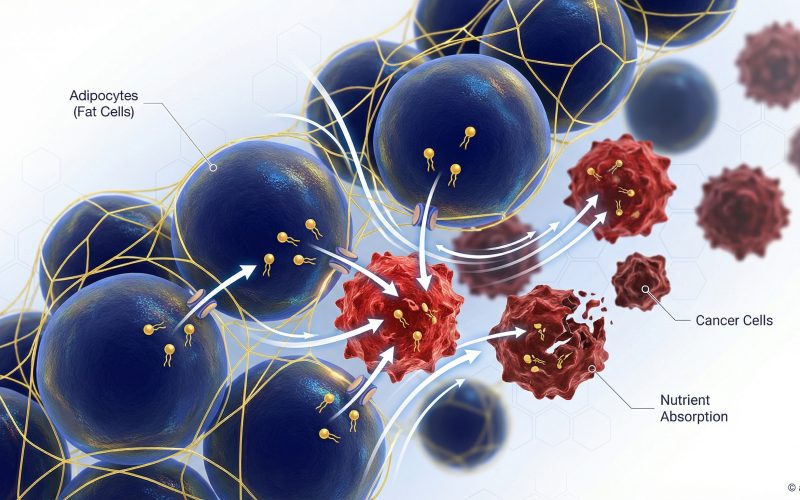
Fat Cells Reprogrammed to Starve Cancer Cells of Nutrients
UCSF researchers have discovered a method that repurposes fat cells into cancer-fighting agents by starving tumor cells.
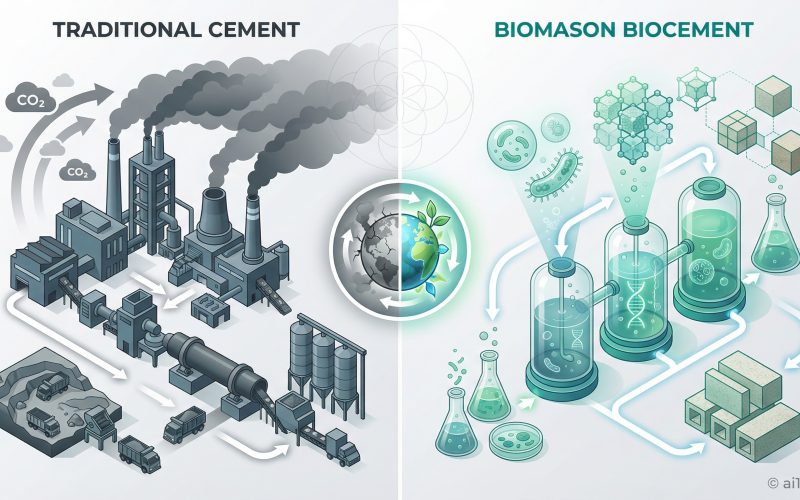
Biomason’s Biological Cement Paves the Way for Carbon-Free Construction
Biomason introduces a planet-friendly cement made through biological processes, eliminating carbon emissions in construction materials.
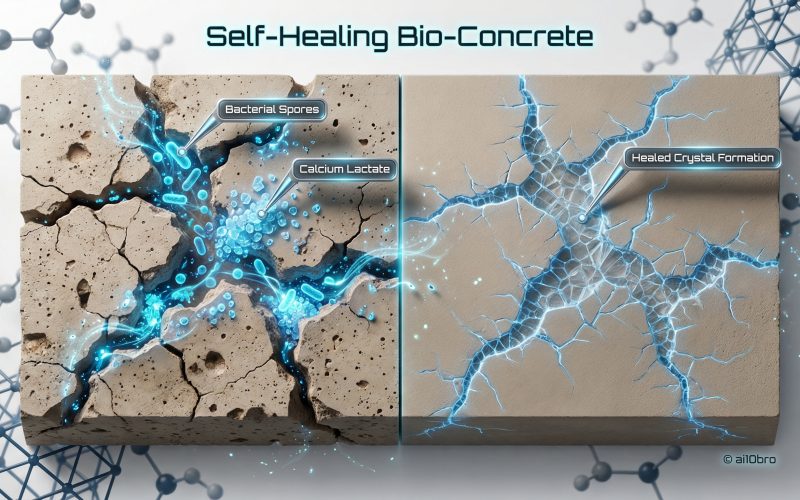
Self-Healing Concrete Uses Additives to Extend Infrastructure Lifespan
Self-healing concrete, a type of concrete that repairs cracks without human intervention, is poised to revolutionize construction and infrastructure projects.