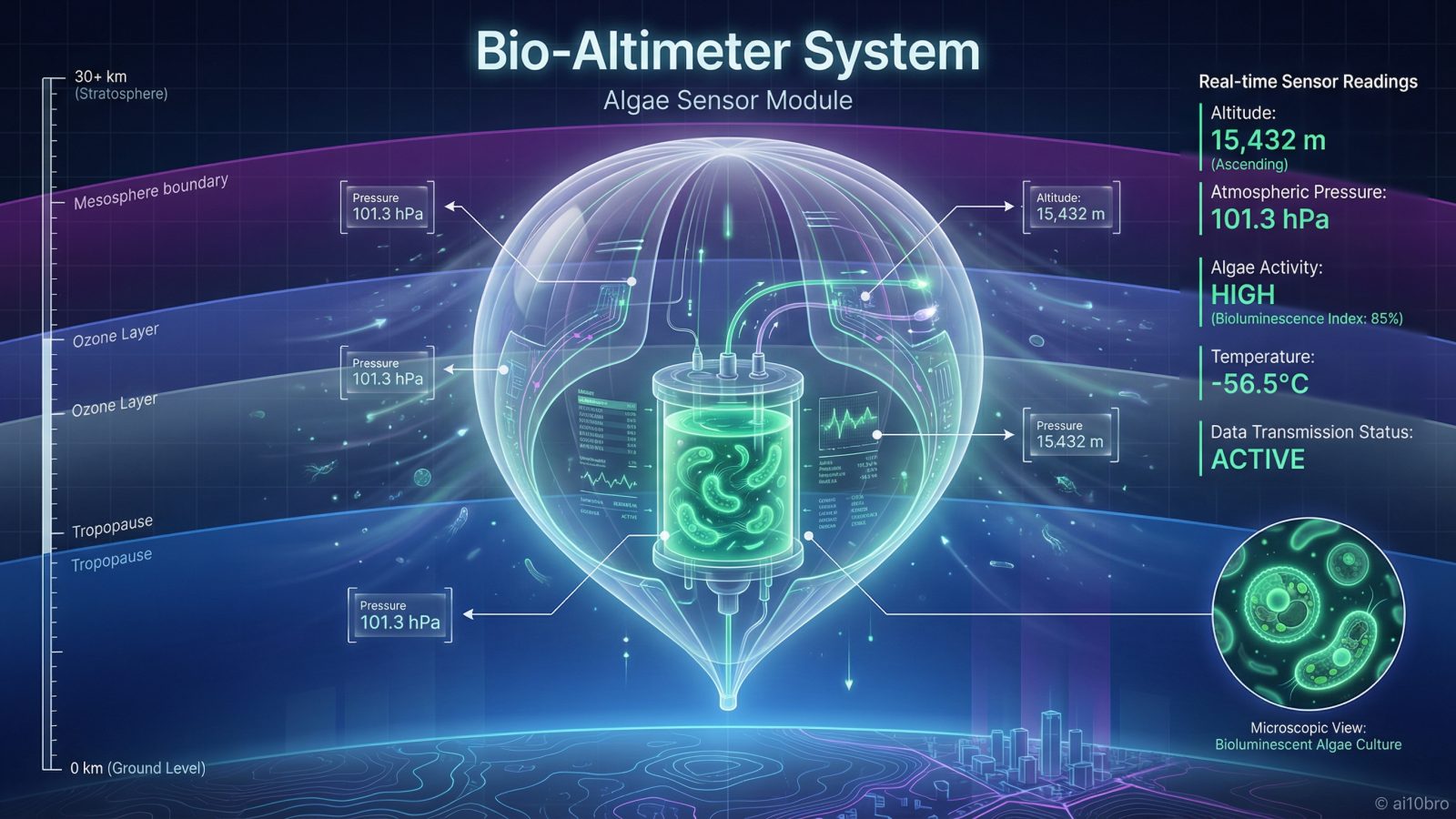
Breakthrough in Biological Sensing Technology: Radeeyate has successfully transformed ordinary algae into a sophisticated altitude sensor and sent it to the stratosphere aboard a weather balloon. This innovative bio-altimeter, named Stratospore, marks a significant step forward in using biological systems for high-altitude environmental monitoring.
Overview
Radeeyate’s achievement is detailed in a recent blog post on Radi8. The project involved genetically modifying algae to respond to changes in atmospheric pressure, effectively creating a biological sensor capable of measuring altitude. This breakthrough was shared and discussed among the tech community on Hacker News, garnering strong interest and engagement.
Context & Significance
The potential applications of this technology extend far beyond simple altitude measurement. By harnessing the natural properties of algae to adapt to environmental changes, Radeeyate’s work opens a new frontier in biological sensing technologies. This innovation could revolutionize how we monitor atmospheric conditions and contribute significantly to the growing field of bio-engineering.
How It Works
The key innovation lies in genetically modifying the algae to respond to pressure changes, which are closely correlated with altitude. As the weather balloon ascended into higher altitudes where air pressure drops, the modified algae adjusted their internal mechanisms to compensate for these changes. This allowed Radeeyate to effectively measure altitude using biological means, something that has never been done before on such a scale.
Technical Details
To achieve this feat, Radeeyate had to overcome several technical challenges. The genetic modifications were designed to alter the algae’s photosynthetic processes in response to changes in atmospheric pressure. By monitoring these alterations, precise altitude measurements could be recorded during the balloon’s ascent.
Real-World Applications
The potential applications for this technology are vast and varied. In environmental science, Stratospore can provide real-time data on atmospheric conditions without the need for bulky electronic equipment. Additionally, this bio-altimeter could pave the way for more biologically-based sensors in various fields such as agriculture, health monitoring, and even space exploration.
What’s Next
Looking ahead, Radeeyate plans to further refine the genetic modifications to enhance sensor accuracy and reliability. The next phase will likely focus on scaling up production for broader deployment, potentially leading to commercial applications in environmental monitoring and beyond. With continued research and development, this biological technology could become a standard tool in high-altitude exploration and atmospheric science.
Related Insights
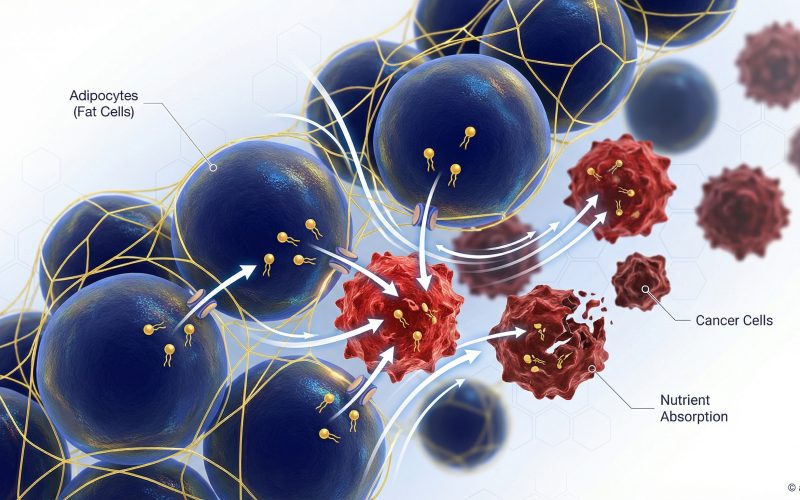
Fat Cells Reprogrammed to Starve Cancer Cells of Nutrients
UCSF researchers have discovered a method that repurposes fat cells into cancer-fighting agents by starving tumor cells.
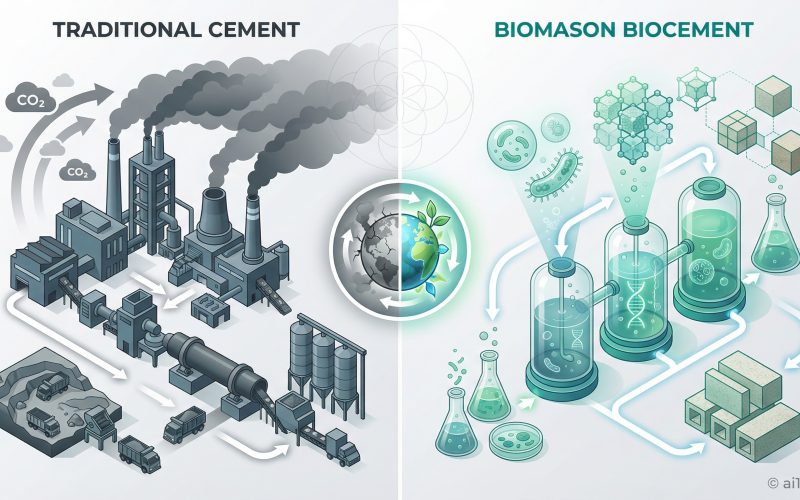
Biomason’s Biological Cement Paves the Way for Carbon-Free Construction
Biomason introduces a planet-friendly cement made through biological processes, eliminating carbon emissions in construction materials.
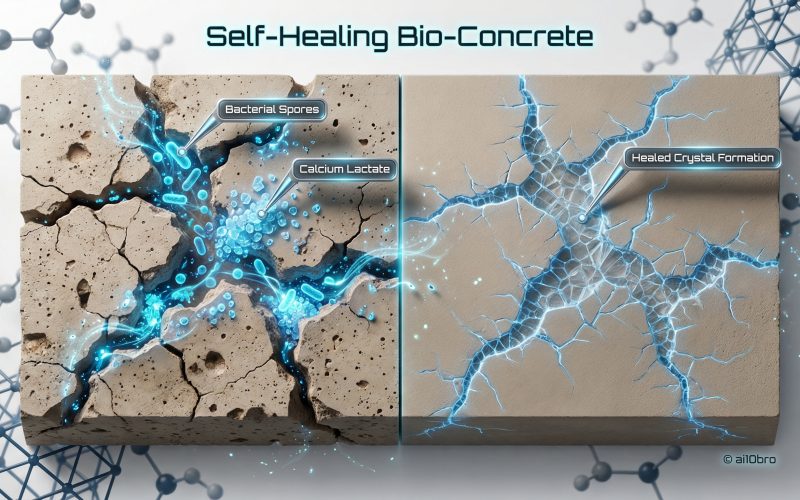
Self-Healing Concrete Uses Additives to Extend Infrastructure Lifespan
Self-healing concrete, a type of concrete that repairs cracks without human intervention, is poised to revolutionize construction and infrastructure projects.