Bio-Innovators Grow Vibrant Colors Naturally, Eliminating Toxic Chemicals

Scientists have made significant strides toward creating an environmentally-friendly solution by developing a new technique to produce vivid colors naturally. The process harnesses biological methods, eliminating the need for toxic chemical dyes commonly used in various industries including fashion.
Overview
A team of researchers has successfully developed and tested a method that enables the cultivation of vibrant colors without relying on traditional chemical processes. This breakthrough holds significant promise for transforming industries dependent on dyes, such as textiles, paper manufacturing, and even cosmetics. The research was published in an article by Forbes and highlights the innovative approach taken to grow these natural hues.
Context & Significance
The textile industry alone is projected to reach a value of over $1 trillion globally by 2030, making this development incredibly relevant for sustainability initiatives. Traditional dyeing processes are notorious for their environmental impact, contributing significantly to water pollution and the release of harmful chemicals into ecosystems. By providing an alternative that relies on biological cultivation methods, this breakthrough could revolutionize how industries approach coloration.
How It Works
The process involves using specific organisms such as bacteria or fungi to produce pigments naturally through metabolic pathways. The researchers cultivate these microorganisms under controlled conditions, ensuring they generate the desired colors efficiently and sustainably. This method not only reduces reliance on harmful chemicals but also offers a more sustainable way of producing dyes.
Key Innovations
The team has identified key species that can produce a wide spectrum of hues with high efficiency. By optimizing growth conditions, the researchers have managed to scale up the production significantly while maintaining color quality and consistency. This approach represents a major departure from conventional dyeing methods, which often involve complex chemical reactions and hazardous waste disposal.
Real-World Applications
The potential applications for this technology are vast. In the fashion industry alone, several leading brands have already expressed interest in adopting these natural dyes as part of their sustainability efforts. This could lead to a significant reduction in environmental damage while also potentially lowering costs and improving supply chain transparency.
Economic Implications
Adopting this technology promises substantial economic benefits, including cost savings through reduced chemical usage and waste management expenses. Additionally, there is potential for new market opportunities as consumers increasingly demand eco-friendly products. Companies that integrate these sustainable dyes into their operations could gain a competitive edge in the growing green consumer segment.
What’s Next
The next steps involve further refining the cultivation process to enhance efficiency and scalability, with plans to expand production capabilities within the next few years. The researchers are also exploring partnerships with industry leaders to accelerate adoption across various sectors. As this technology matures, it is poised to play a crucial role in achieving broader sustainability goals within multiple industries.
Related Insights
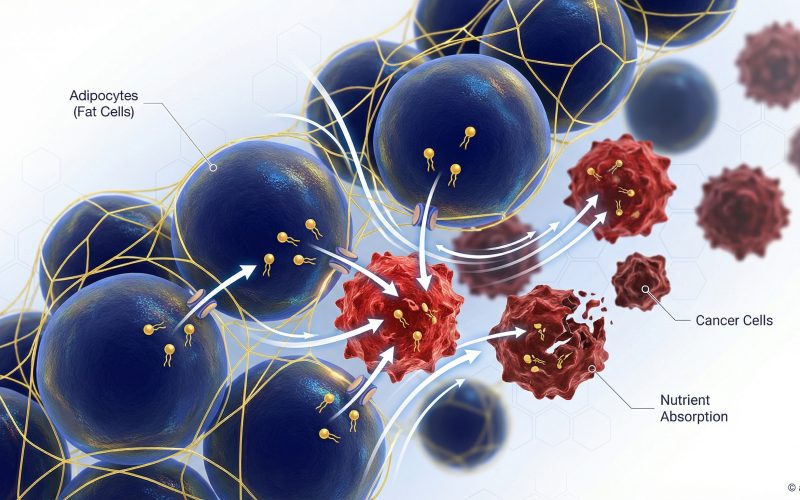
Fat Cells Reprogrammed to Starve Cancer Cells of Nutrients
UCSF researchers have discovered a method that repurposes fat cells into cancer-fighting agents by starving tumor cells.
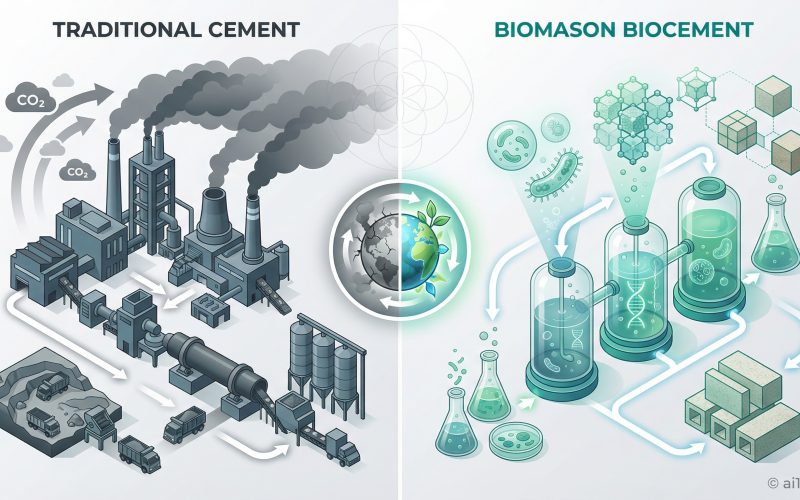
Biomason’s Biological Cement Paves the Way for Carbon-Free Construction
Biomason introduces a planet-friendly cement made through biological processes, eliminating carbon emissions in construction materials.
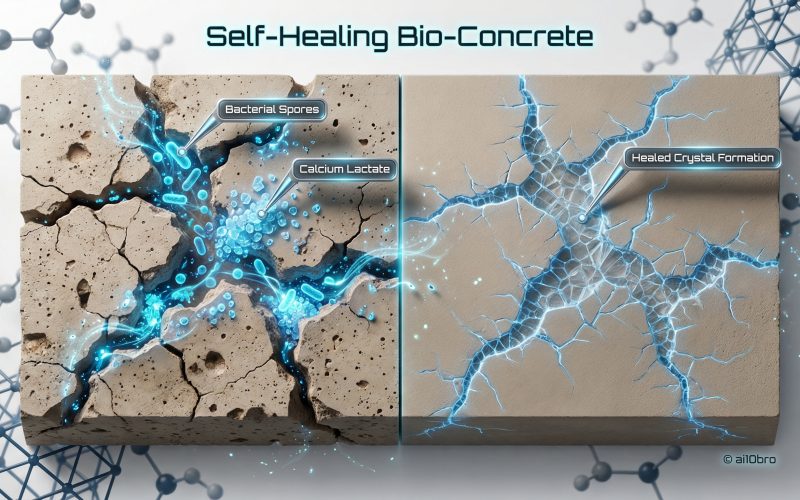
Self-Healing Concrete Uses Additives to Extend Infrastructure Lifespan
Self-healing concrete, a type of concrete that repairs cracks without human intervention, is poised to revolutionize construction and infrastructure projects.