Biotech Revolution: Scientists Grow Color Without Chemicals

Scientists have unlocked a new method to produce vibrant colors using biological processes, eliminating the need for toxic chemicals in dye production.
Overview
A team of researchers has developed a groundbreaking technique that enables the creation of color without relying on traditional chemical dyes. This innovation promises significant environmental and economic benefits by reducing pollution from industrial dyeing processes, which are notorious for their high toxicity and impact on water resources.
Context & Significance
The textile industry is one of the largest polluters globally, with dye production contributing significantly to toxic wastewater. This biologically-based coloration method not only reduces harmful chemical usage but also opens up new opportunities for sustainable fashion and design. The global market for natural dyes alone is expected to reach $3 billion by 2030, highlighting a major shift towards more environmentally friendly products.
How It Works
The process involves using specific strains of bacteria or fungi that naturally produce pigments. These microorganisms are cultivated in controlled environments where they secrete the desired colors. The color production is then integrated into materials like fabrics, creating a finished product without the need for chemical treatments.
Key Innovations
The breakthrough lies in optimizing the genetic makeup of these organisms to produce a wide range of colors efficiently and sustainably. Unlike traditional dyes, which require harsh chemicals and can result in significant waste, this method produces less pollution while still achieving vibrant hues.
Real-World Applications
The implications for fashion are profound. Brands like Patagonia have already begun to explore the use of biologically produced dyes as part of their sustainability initiatives. In addition to textiles, the technology has potential applications in cosmetics and other industries that rely on colorants.
Economic Implications
This innovation can significantly reduce production costs for companies by lowering chemical waste management expenses and potentially streamlining manufacturing processes. Furthermore, it opens up new markets catering to environmentally conscious consumers who are willing to pay a premium for sustainable products.
What’s Next?
The next step involves scaling the technology for broader commercial use, with pilot programs currently underway in various sectors. Researchers are also working on expanding the palette of colors that can be produced biologically and improving the efficiency of color production to compete with traditional methods.
Related Insights
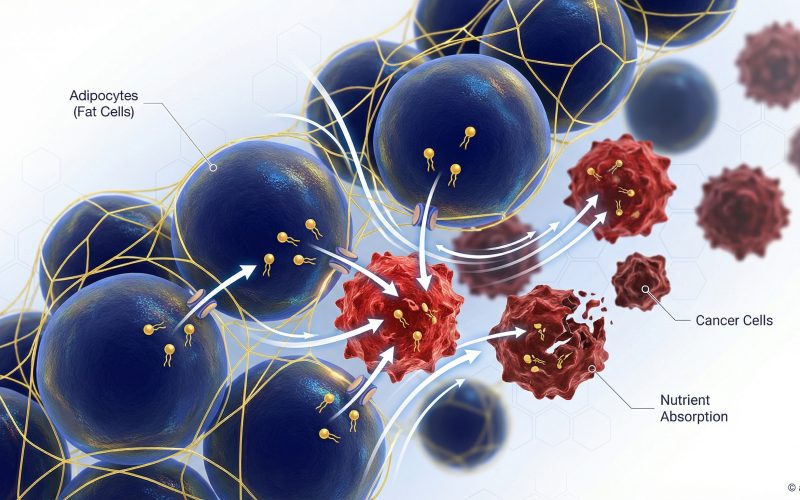
Fat Cells Reprogrammed to Starve Cancer Cells of Nutrients
UCSF researchers have discovered a method that repurposes fat cells into cancer-fighting agents by starving tumor cells.
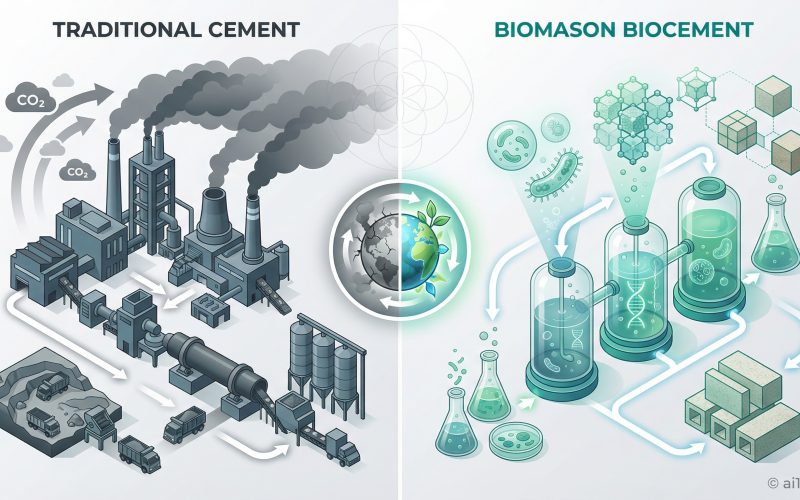
Biomason’s Biological Cement Paves the Way for Carbon-Free Construction
Biomason introduces a planet-friendly cement made through biological processes, eliminating carbon emissions in construction materials.
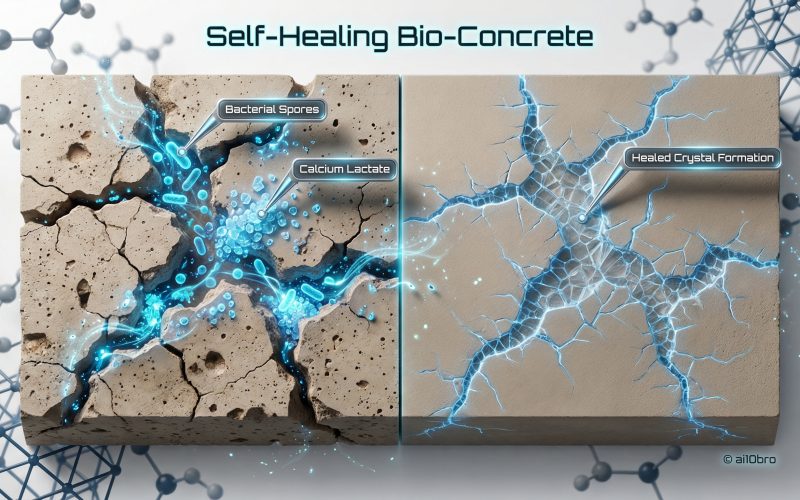
Self-Healing Concrete Uses Additives to Extend Infrastructure Lifespan
Self-healing concrete, a type of concrete that repairs cracks without human intervention, is poised to revolutionize construction and infrastructure projects.