Cambridge Researchers Develop Lab-Grown Human Embryo Model That Produces Blood Cells

The field of bioengineering continues to push boundaries with a recent breakthrough from researchers at the University of Cambridge. They have successfully developed a lab-grown human embryo model that can produce blood cells—a critical milestone in the pursuit of regenerative medicine.
Overview
In a significant scientific achievement, researchers from the Department of Physiology, Development and Neuroscience at the University of Cambridge have created an innovative model of early-stage human embryos. This lab-grown embryo not only mimics natural development but also generates blood cells—a function that was previously difficult to replicate outside of living organisms.
Context & Significance
The creation of this model holds profound implications for the medical community and beyond. Blood disorders, such as sickle cell disease and thalassemia, affect millions worldwide, leading to significant health burdens. The ability to produce blood cells in a controlled lab environment can pave the way for personalized medicine, allowing treatments tailored specifically to an individual’s genetic makeup.
How It Works
The researchers meticulously replicated conditions that foster early human embryonic development by using stem cells and precise biochemical signals. This artificial model mimics the natural process of blood cell formation, known as hematopoiesis, which occurs in the earliest stages of an embryo’s life.
Key to this breakthrough is the use of induced pluripotent stem (iPS) cells—cells that can be transformed into any type of cell within the body. The team engineered these iPS cells to express specific genes that activate hematopoietic pathways, leading to the differentiation and production of blood cells.
Real-World Applications
The practical applications of this technology are vast. In clinical settings, it could enable the creation of personalized blood supplies for transfusions or treatments for genetic disorders. This could drastically reduce the reliance on donor blood and minimize risks associated with immune rejection. Furthermore, it opens avenues for drug testing in a more controlled environment that mimics human physiology closely.
What’s Next
The next steps involve scaling up production methods and further refining the model to better replicate natural conditions. Researchers aim to integrate additional functions of early embryonic development into this model, enabling deeper insights into human biology. Additionally, regulatory frameworks will need to evolve to accommodate these advancements responsibly.
Related Insights
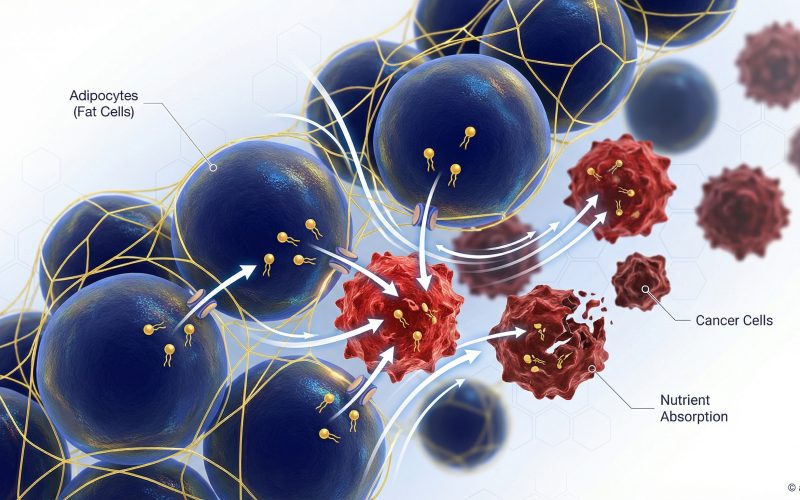
Fat Cells Reprogrammed to Starve Cancer Cells of Nutrients
UCSF researchers have discovered a method that repurposes fat cells into cancer-fighting agents by starving tumor cells.
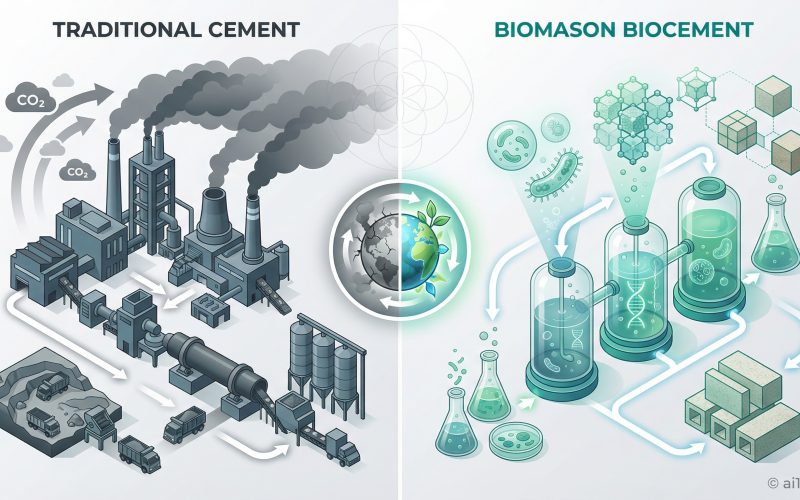
Biomason’s Biological Cement Paves the Way for Carbon-Free Construction
Biomason introduces a planet-friendly cement made through biological processes, eliminating carbon emissions in construction materials.
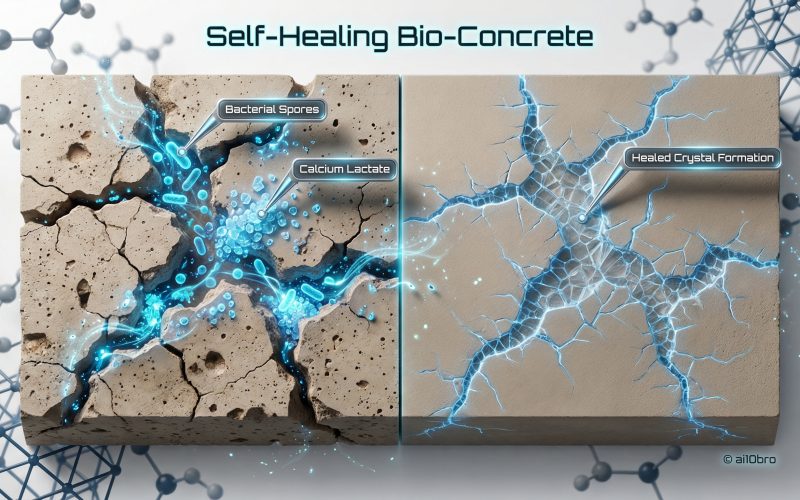
Self-Healing Concrete Uses Additives to Extend Infrastructure Lifespan
Self-healing concrete, a type of concrete that repairs cracks without human intervention, is poised to revolutionize construction and infrastructure projects.