CRISPR-Fungi Offers Sustainable Meat Alternative with High Protein Content
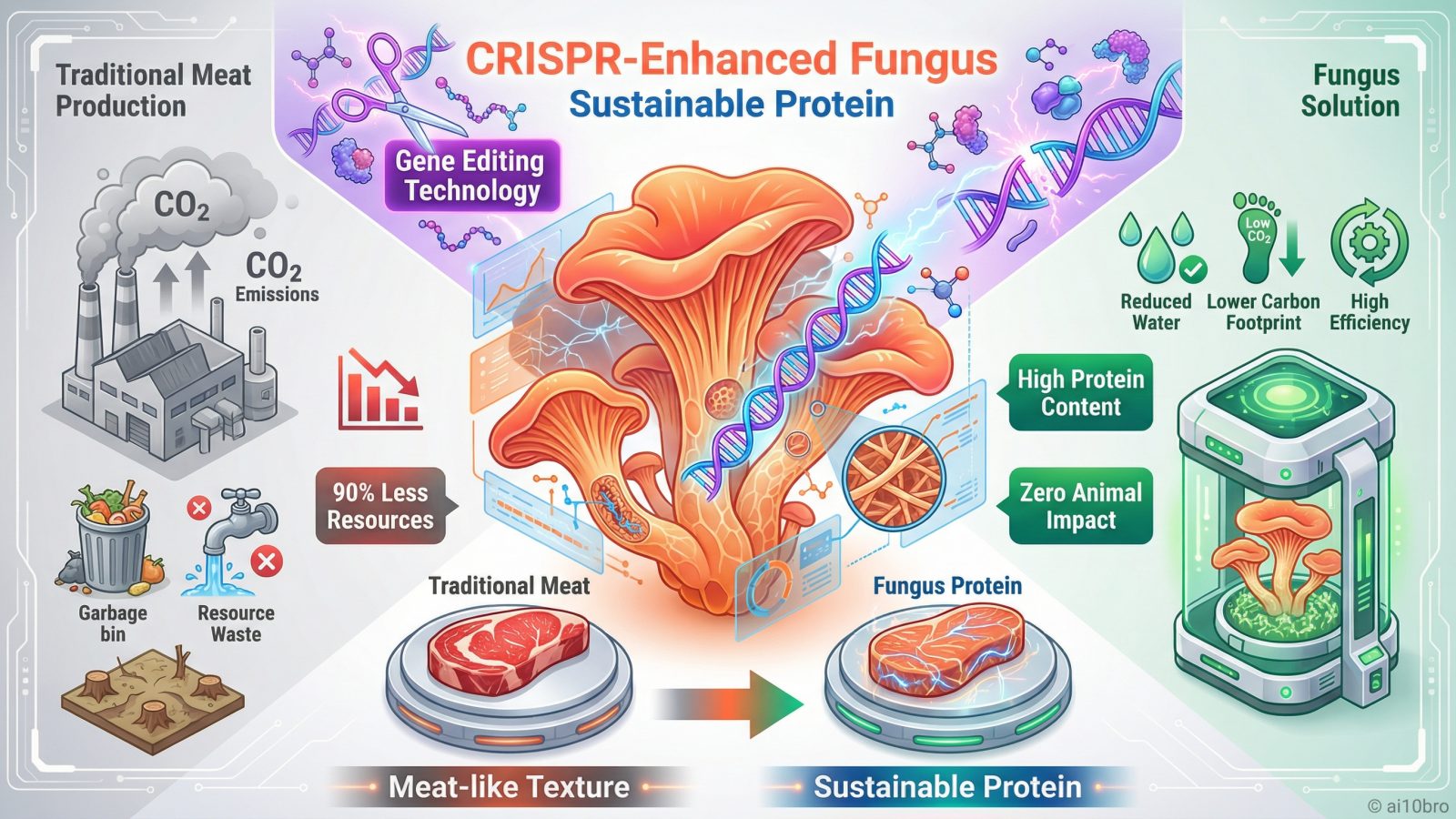
Researchers have successfully used CRISPR technology to engineer a strain of fungi that not only mimics the taste and texture of meat but also boasts high protein content, making it an environmentally friendly alternative to traditional animal-based proteins.
Overview
The research, recently published in Crop Biotech Update, details how scientists at a leading biotechnology institution have employed CRISPR gene editing to modify fungi. This innovative approach has resulted in a product that not only tastes like meat but also contains significant amounts of protein, potentially offering an alternative for vegetarians and vegans.
Context & Significance
This breakthrough is part of the broader trend towards sustainable bio-innovations. As global demand for protein continues to rise—projected to increase by 70% by 2050 due to population growth and changing dietary preferences—the environmental impact of traditional meat production has become a critical concern.
With this in mind, the development of fungi as an alternative source of high-quality protein presents a sustainable solution. The cultivation of these engineered fungi requires significantly less land, water, and energy compared to conventional livestock farming, making it a promising option for reducing environmental footprints.
How It Works
The process involves using CRISPR-Cas9 gene editing technology to introduce specific genetic modifications into the fungal genome. These alterations enable the fungi to produce proteins that closely resemble those found in meat, including a desirable taste and texture profile. The researchers targeted genes responsible for protein synthesis pathways and modified them to enhance the nutritional value of the final product.
The end result is not only nutritionally dense but also palatable, as demonstrated through various sensory evaluation tests where subjects were unable to distinguish between the engineered fungi and traditional meat products. This makes it an attractive option for consumers seeking a sustainable alternative without compromising on taste or nutritional value.
Real-World Applications
The potential applications of this technology are vast, ranging from food manufacturing to pharmaceuticals. Companies specializing in plant-based and lab-grown meat alternatives have already shown interest in the product. This innovative fungi could be used as a key ingredient in meat substitutes, providing a protein-rich option that’s both sustainable and marketable.
Additionally, the scalability of fungal cultivation presents an opportunity for rapid commercialization. Unlike traditional livestock farming, which requires significant infrastructure, cultivating these engineered fungi can be done in controlled environments, reducing costs and increasing efficiency.
What’s Next
The next steps involve scaling up production to meet market demand and conducting more extensive safety testing to ensure the product meets regulatory standards. Researchers are also exploring additional genetic modifications that could further enhance the nutritional profile of these fungi, such as increasing vitamin or mineral content.
Looking ahead, this technology aligns with broader sustainability goals by offering a viable alternative to traditional meat production methods. As global concerns over climate change and food security continue to rise, innovations like CRISPR-engineered fungi represent significant progress towards more sustainable agricultural practices.
Related Insights
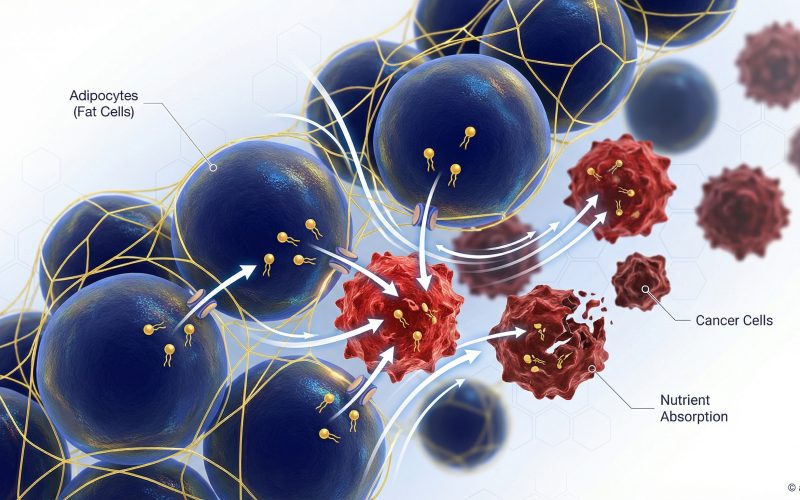
Fat Cells Reprogrammed to Starve Cancer Cells of Nutrients
UCSF researchers have discovered a method that repurposes fat cells into cancer-fighting agents by starving tumor cells.
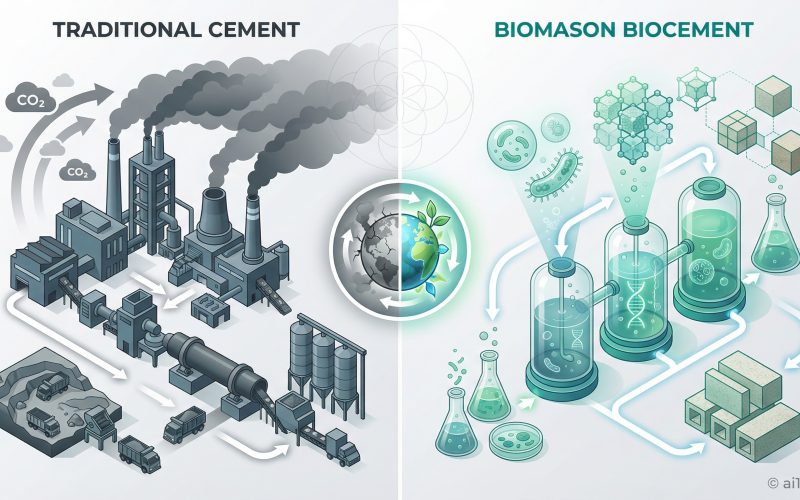
Biomason’s Biological Cement Paves the Way for Carbon-Free Construction
Biomason introduces a planet-friendly cement made through biological processes, eliminating carbon emissions in construction materials.
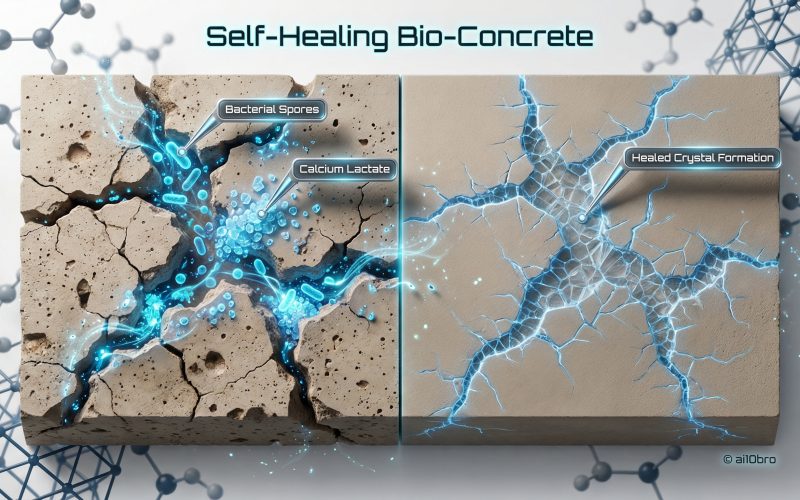
Self-Healing Concrete Uses Additives to Extend Infrastructure Lifespan
Self-healing concrete, a type of concrete that repairs cracks without human intervention, is poised to revolutionize construction and infrastructure projects.