DARPA’s Generative Optogenetics Paves the Way for Precision Neural Control

DARPA has announced a breakthrough in Generative Optogenetics, a technology that could revolutionize our understanding and manipulation of the nervous system. This development, detailed under the GO (Generative Optogenetics) program, marks a significant leap forward from traditional optogenetic techniques by introducing advanced algorithms to generate precise neural responses.
Overview
The Generative Optogenetics project, spearheaded by DARPA researchers, aims to enhance control over neural circuits with unprecedented precision. The team has developed new methods and tools that enable not only the activation or inhibition of specific neurons but also the generation of complex patterns of neural activity.
Unlike conventional optogenetic methods, which require extensive pre-programming for each desired response, GO leverages machine learning algorithms to generate optimal light patterns in real-time. This capability significantly increases the flexibility and adaptability of optogenetic experiments, potentially leading to breakthroughs in both research and clinical applications.
Context & Significance
The significance of Generative Optogenetics extends beyond academic circles into practical realms such as treating neurological disorders like Parkinson’s disease or epilepsy. The market for neurotechnologies is expected to grow to over $40 billion by 2030, driven in part by innovations like GO that offer more precise and effective treatments.
By overcoming previous limitations in temporal and spatial control, this technology also opens new avenues for research into brain function. Scientists can now explore neural circuits with an unprecedented level of detail, potentially leading to deeper insights into cognitive processes, learning, memory formation, and the root causes of mental health disorders.
How It Works
The core innovation behind Generative Optogenetics is its use of advanced algorithms to dynamically adjust light patterns in response to neural activity. Traditional optogenetic experiments involve pre-programmed sequences of light pulses designed to activate specific neurons or groups of neurons.
In contrast, GO uses real-time data processing and machine learning models to interpret the state of the neural circuit and generate on-the-fly light patterns that induce desired responses. This approach not only enhances precision but also enables adaptive modulation of neural activity based on live feedback from the brain.
Technical Breakdown
The technology involves several key components:
- Optogenetic Constructs: Genetically engineered proteins that respond to light, allowing for precise control over targeted neurons.
- Machine Learning Algorithms: Sophisticated models capable of interpreting neural signals and generating optimal light patterns in real-time.
- Sensor-Actuator Systems: High-speed sensors to detect changes in neural activity coupled with rapid-response optogenetic hardware for precise stimulation.
By integrating these components, GO achieves a level of control that is both more accurate and versatile than previous approaches. The system can adapt quickly to changing conditions within the brain, potentially enabling therapeutic interventions that are highly personalized and responsive to individual patient needs.
Real-World Applications
The real-world applications for Generative Optogenetics span multiple fields:
- Clinical Medicine: Direct application in treating neurological disorders by precisely modulating affected neural circuits. For instance, GO could be used to control the symptoms of Parkinson’s disease or epilepsy with minimal side effects.
- Neuroscience Research: Enhanced capabilities for studying complex brain functions and diseases at a deeper level than ever before possible, driving fundamental research forward.
Several biotech companies have already expressed interest in adopting GO technology. These partnerships are expected to accelerate the transition from lab experiments to clinical trials and eventual commercialization.
What’s Next
The next steps for Generative Optogenetics include further refining the algorithms used in real-time neural control, expanding the range of conditions it can treat, and improving the hardware for better integration into existing medical devices. The team aims to launch clinical trials within the next five years, with broader commercial adoption following successful outcomes.
As GO technology advances, researchers and clinicians anticipate significant progress toward personalized medicine and more effective treatments for neurological disorders. With its potential to transform our understanding of neural circuits and brain function, Generative Optogenetics stands at the forefront of a new era in bio-innovation.
Related Insights
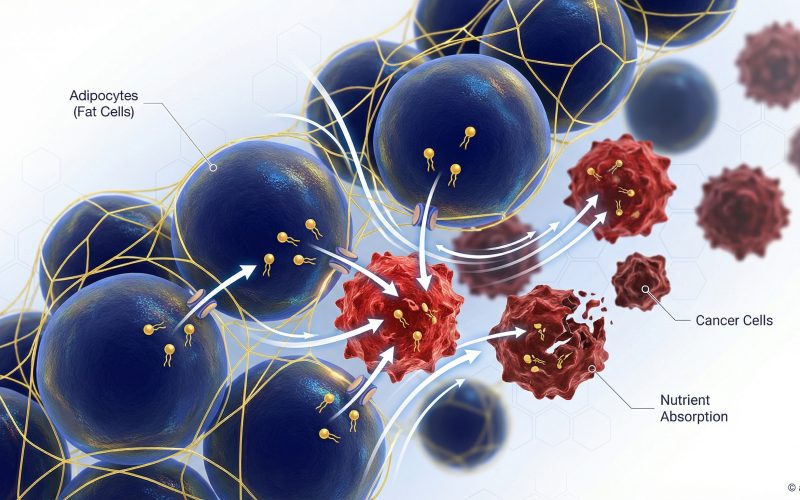
Fat Cells Reprogrammed to Starve Cancer Cells of Nutrients
UCSF researchers have discovered a method that repurposes fat cells into cancer-fighting agents by starving tumor cells.

Biomason’s Biological Cement Paves the Way for Carbon-Free Construction
Biomason introduces a planet-friendly cement made through biological processes, eliminating carbon emissions in construction materials.
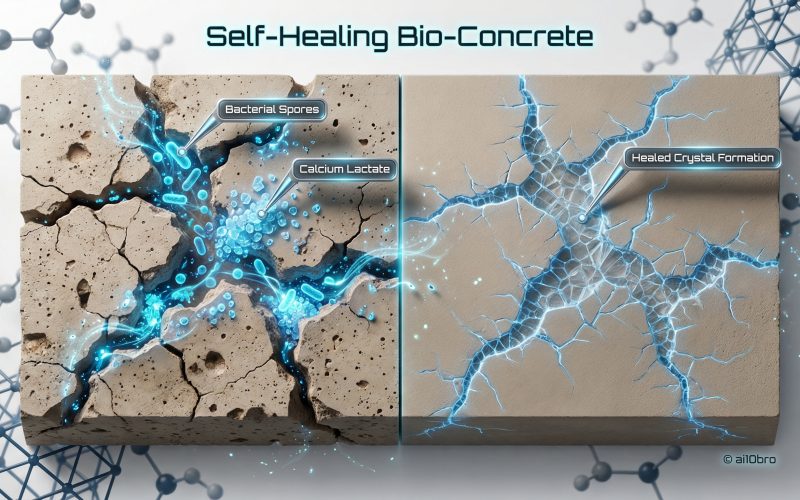
Self-Healing Concrete Uses Additives to Extend Infrastructure Lifespan
Self-healing concrete, a type of concrete that repairs cracks without human intervention, is poised to revolutionize construction and infrastructure projects.