DARPA’s Generative Optogenetics Pioneers New Frontiers in Neural Control
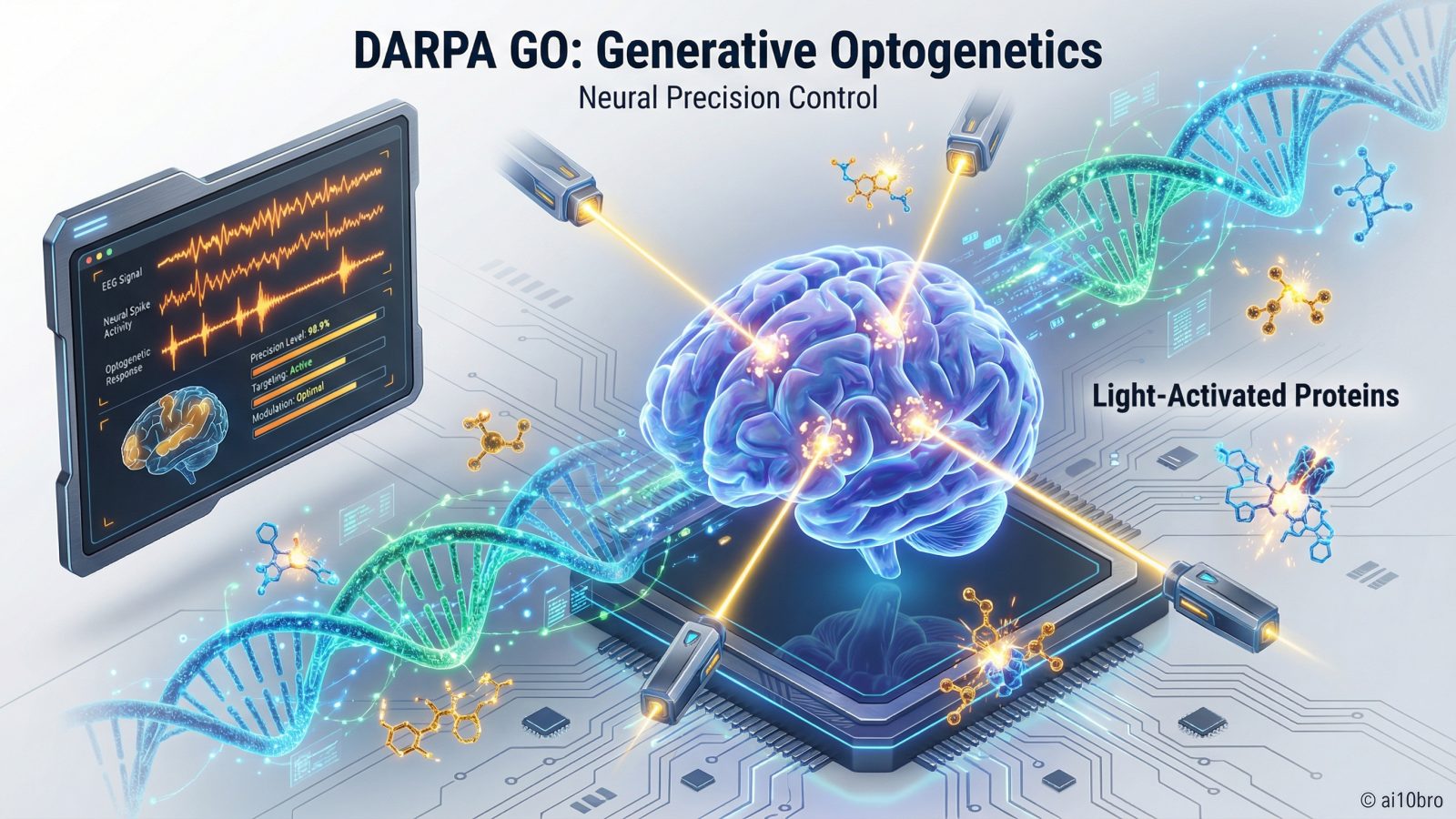
DARPA, the U.S. Defense Advanced Research Projects Agency, recently unveiled its groundbreaking work under the Generative Optogenetics (GO) program, which has the potential to revolutionize our understanding of neural function and open new pathways for treating neurological disorders.
Overview
The GO project leverages optogenetics—a cutting-edge technology that uses light to control neurons that have been genetically sensitized to light. This innovative approach allows researchers to precisely manipulate brain activity in real-time, offering unprecedented insights into how neural circuits function and interact.
DARPA’s work has achieved a level of precision and scalability not previously seen, allowing for the creation of complex patterns of neuronal activation with high temporal resolution. The technology is poised to have significant implications for both research and clinical applications, from studying brain functions in model organisms to developing new therapeutic strategies for neurological diseases.
Context & Significance
The development of GO marks a pivotal moment in the field of neurobiology. With an estimated $38 billion market projected by 2030 for optogenetics applications alone, this technology stands at the intersection of biotechnology and information technology, promising to transform how we treat diseases such as Parkinson’s, epilepsy, and even psychiatric disorders.
Previous efforts in optogenetics have been limited by challenges such as low spatial resolution and difficulty in controlling complex neural circuits. DARPA’s GO program addresses these issues head-on, paving the way for more precise and targeted interventions that could lead to breakthroughs in neuroscience and clinical applications.
How It Works
The GO project integrates multiple layers of technology—from genetic engineering to advanced light delivery systems—to achieve its goals. At its core is the genetic modification of neurons so they express light-sensitive proteins, known as opsins. When illuminated with specific wavelengths of light, these opsins can activate or inhibit neuronal activity.
Key Innovations
The breakthroughs in GO include:
- Advanced opsin engineering for more precise and rapid neural control
- Multimodal optogenetic tools capable of simultaneously activating multiple brain regions
- Innovative optical systems that deliver light with unprecedented precision, enabling researchers to activate individual neurons or groups of neurons in specific patterns.
This level of sophistication allows scientists to not only observe but also control the firing patterns of neurons, providing a powerful tool for studying neural circuits and developing new treatments. The ability to perform such fine-tuned experiments is crucial for advancing our understanding of neurological processes and developing targeted therapies.
Real-World Applications
The applications of GO span from fundamental research to clinical treatment. In the laboratory, GO can enable researchers to dissect complex neural circuits with unprecedented detail, leading to a deeper understanding of brain function in both healthy states and disease conditions. This could accelerate the discovery of new therapeutic targets.
On the clinical side, GO is being explored for developing next-generation therapies that use light to modulate specific neural pathways involved in neurological disorders. Companies like Neuralink have already expressed interest in integrating similar technologies into their neurotech devices, potentially offering a non-invasive alternative to current treatment methods such as deep brain stimulation.
What’s Next
The next steps for the GO project involve further refining its technology and expanding its applications. DARPA plans to continue advancing the precision and scalability of optogenetic tools while exploring how these can be translated into clinical settings. The timeline for broader adoption is expected to depend on regulatory approvals and integration with existing medical devices.
As GO matures, researchers are also looking at related developments in fields like gene therapy and neural prosthetics that could complement this technology. Challenges still remain, particularly around ensuring the safety and efficacy of optogenetic treatments over long periods. However, the potential for transforming our approach to neurological disorders makes the GO program an exciting frontier in bio-innovation.
Related Insights
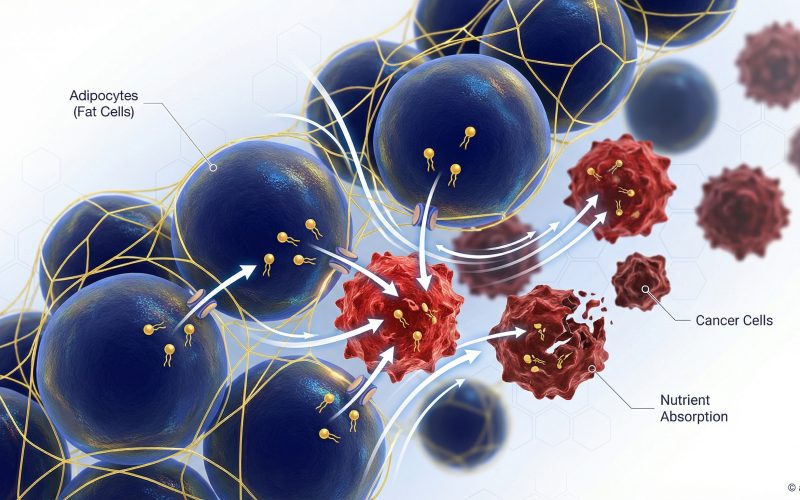
Fat Cells Reprogrammed to Starve Cancer Cells of Nutrients
UCSF researchers have discovered a method that repurposes fat cells into cancer-fighting agents by starving tumor cells.

Biomason’s Biological Cement Paves the Way for Carbon-Free Construction
Biomason introduces a planet-friendly cement made through biological processes, eliminating carbon emissions in construction materials.
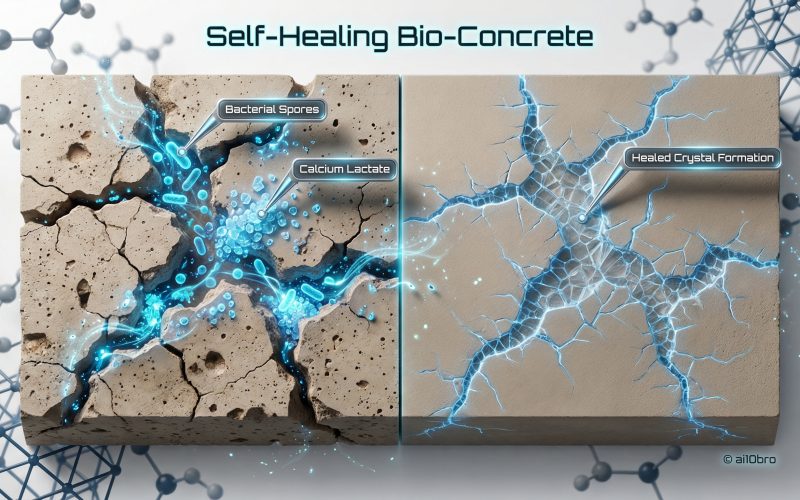
Self-Healing Concrete Uses Additives to Extend Infrastructure Lifespan
Self-healing concrete, a type of concrete that repairs cracks without human intervention, is poised to revolutionize construction and infrastructure projects.