Personal Genome Sequencing Now Under $2,000: A New Era in Biotechnology

Sequencing your entire genome was once a luxury reserved for research institutions and wealthy patrons. However, the advent of new technologies and advancements in bioinformatics have dramatically reduced costs, bringing the price tag of personal genomic sequencing under $2,000. This breakthrough not only democratizes access to genetic information but also promises significant impacts on healthcare, personalized medicine, and scientific research.
Overview
The recent trend toward more affordable genome sequencing has been driven by technological innovations that make the process faster, more efficient, and less expensive. The article highlights how advancements in nanopore technology have contributed to this reduction in costs. However, as discussed on Hacker News (HN), the sequencing landscape is still largely dominated by traditional methods such as sequencing by synthesis (SBS) used by companies like Illumina.
The Breakthrough and Its Originators
While nanopore technology holds promise for future advancements due to its real-time analysis capability, current clinical applications predominantly rely on SBS technologies. Companies like Nebula Genomics and Dante Labs are already offering comprehensive sequencing services at a fraction of the cost seen just a decade ago.
Context & Significance
The drop in genome sequencing costs has significant implications for various sectors, including healthcare, drug development, and personalized medicine. The $1000 genome milestone was reached more than a decade ago, but recent advances have further reduced these costs to under $2000, making it accessible to a broader demographic.
Economic Impact
The global market for genomics is projected to grow at an impressive rate, reaching over $50 billion by 2030. This growth is fueled not only by the decreasing cost of sequencing but also by increasing awareness and acceptance among consumers about the benefits of genetic information in health management.
How It Works
The process of genome sequencing involves breaking down DNA into smaller fragments, sequencing these segments individually using either nanopore or SBS technologies, and then reconstructing the entire genome through bioinformatics analysis. While nanopore technology offers continuous, real-time monitoring, traditional SBS remains the gold standard for its high accuracy in clinical applications.
Comparative Breakdown
In sequencing by synthesis, DNA fragments are amplified using PCR (Polymerase Chain Reaction) and then sequenced one nucleotide at a time. This method allows for highly accurate readouts but requires significant computational power to assemble the entire genome from millions of small fragments.
Nanopore Sequencing
Contrarily, nanopore sequencing relies on passing DNA through tiny pores (nanopores) embedded in a membrane while measuring changes in electrical current. This technology provides real-time monitoring and potentially longer read lengths but currently suffers from higher error rates compared to SBS.
Real-World Applications
The accessibility of personal genome sequencing opens up several applications across healthcare, genetic counseling, drug development, and personalized treatment plans.
Healthcare and Personalized Medicine
In the realm of personalized medicine, having access to one’s entire genomic sequence can lead to tailored treatments based on individual genetic makeup. This could revolutionize disease diagnosis and prevention by enabling early intervention in predisposition to certain diseases.
What’s Next?
The next steps involve refining existing technologies further to improve accuracy while maintaining low costs. Additionally, expanding access to sequencing services across the globe remains a priority. As more individuals opt for personal genome sequencing, data privacy and ethical considerations will need careful management.
Towards Commercialization
Companies like Nebula Genomics and Dante Labs are already laying the groundwork by offering affordable sequencing packages directly to consumers. Further advancements in technology and bioinformatics promise even greater accessibility in the future.
Related Insights
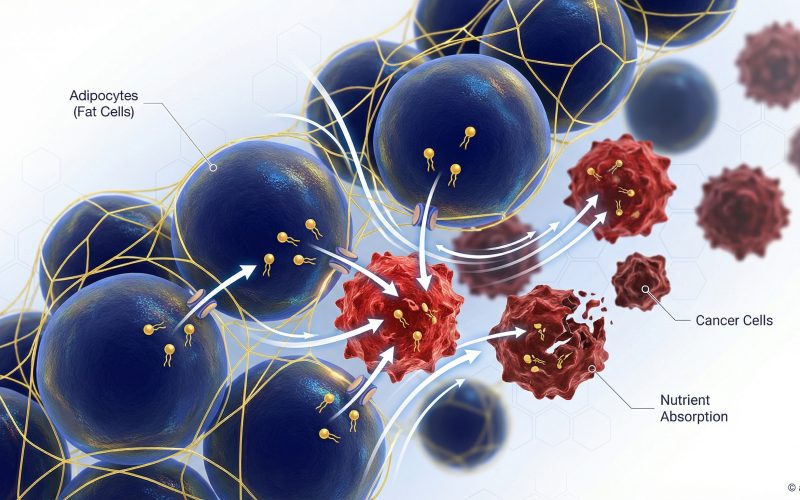
Fat Cells Reprogrammed to Starve Cancer Cells of Nutrients
UCSF researchers have discovered a method that repurposes fat cells into cancer-fighting agents by starving tumor cells.
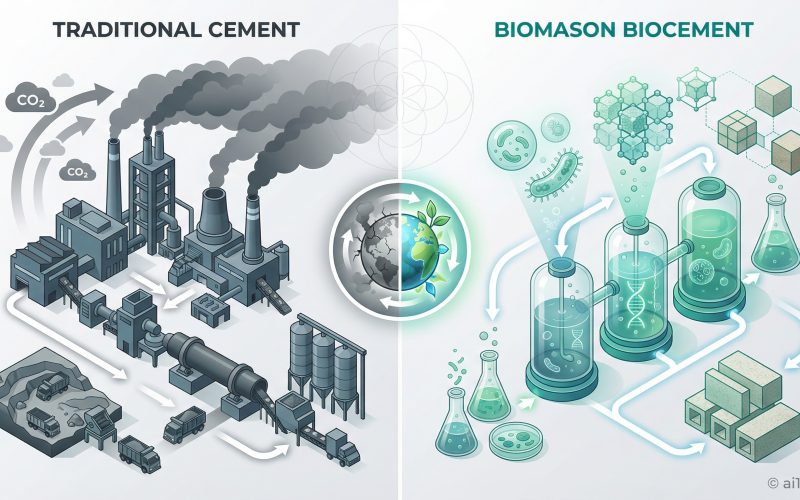
Biomason’s Biological Cement Paves the Way for Carbon-Free Construction
Biomason introduces a planet-friendly cement made through biological processes, eliminating carbon emissions in construction materials.
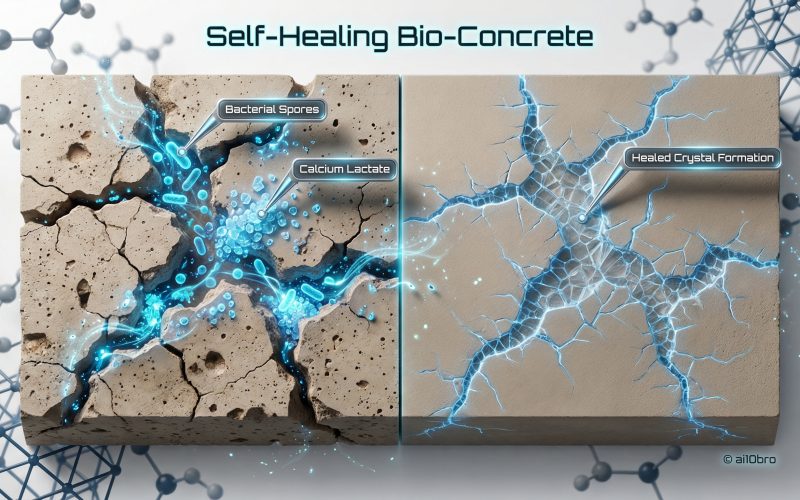
Self-Healing Concrete Uses Additives to Extend Infrastructure Lifespan
Self-healing concrete, a type of concrete that repairs cracks without human intervention, is poised to revolutionize construction and infrastructure projects.