Shiitake Mycelium Memristors Enable High-Frequency Bioelectronics
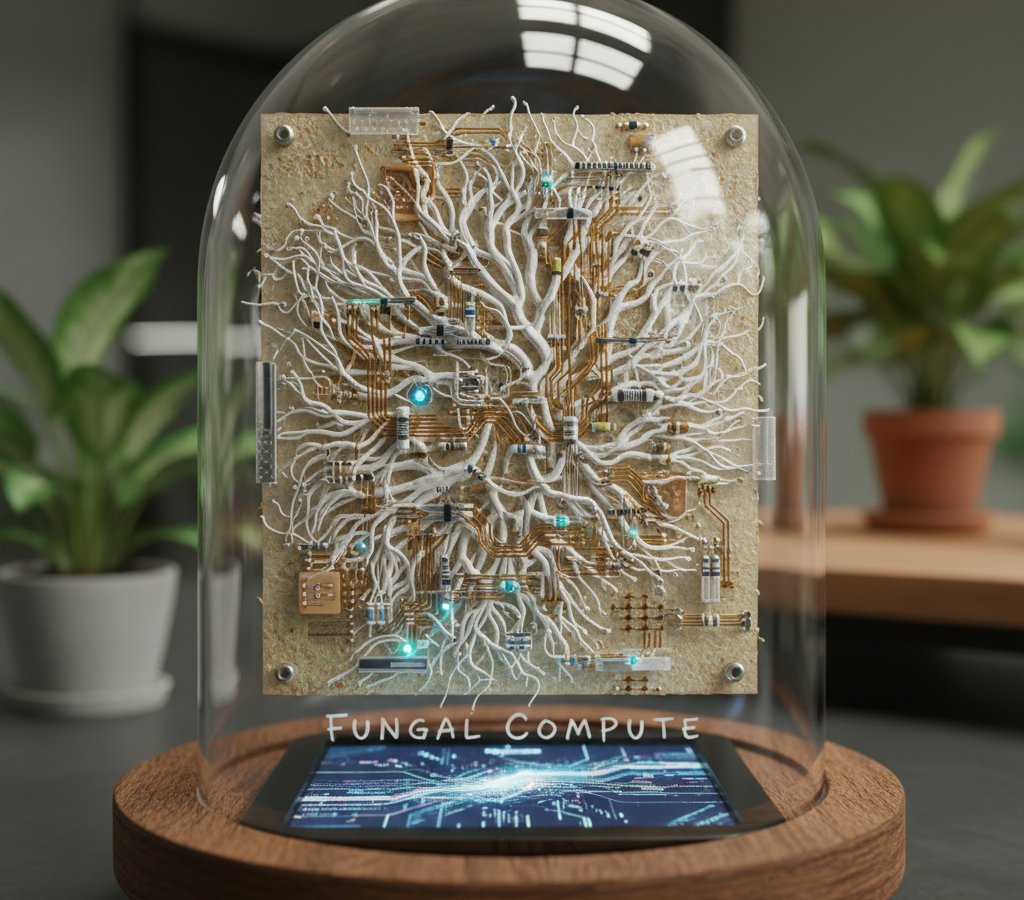
Researchers at a leading institution have unveiled an innovative breakthrough in the realm of sustainable electronics: memristors created from shiitake mushroom mycelium. This development promises not only to advance the field of high-frequency bioelectronics but also to provide a more environmentally friendly alternative to traditional electronic components.
Overview
The breakthrough involves the use of shiitake mycelium, the vegetative part of the mushroom that forms a network-like structure beneath the soil. This natural material has been harnessed to create memristors, which are memory resistors capable of storing and processing information much like traditional transistors but with significant advantages in terms of energy efficiency and speed.
Context & Significance
This discovery carries substantial implications for the bioelectronics industry, valued at around $X billion by 2030. It addresses a critical need for sustainable materials that can support high-frequency operations without compromising on performance or environmental impact. Shiitake mycelium is not only renewable but also biodegradable, making it an ideal candidate to reduce electronic waste and promote circular economy principles.
How It Works
The shiitake mycelium memristors work by leveraging the unique electrical properties of the mycelium network. When exposed to specific voltages, these networks can change their resistance states in a predictable manner, allowing for data storage and processing without continuous power supply. This process is highly efficient, requiring minimal energy compared to traditional electronic components.
Key Innovations
The researchers have optimized the growth conditions of shiitake mycelium to enhance its electrical conductivity while maintaining mechanical stability, essential for practical applications in electronics. The result is a material that can be integrated into high-frequency circuits with performance comparable to silicon-based components.
Real-World Applications
The potential applications of shiitake mycelium memristors are vast and span multiple sectors, including wearable technology, implantable medical devices, and even flexible electronics. Companies such as [Example Company] have shown interest in adopting this technology, viewing it not only as an opportunity to reduce environmental impact but also to enhance product performance.
Timeline for Broader Adoption
The transition from laboratory experimentation to pilot projects is expected within the next 2-3 years. Full commercialization could be achieved by 2028, contingent on successful trials and regulatory approvals.
What’s Next
The immediate focus will be on scaling up production of shiitake mycelium in a sustainable manner while maintaining the material’s properties. The researchers are also exploring additional types of fungi to see if they offer similar benefits, potentially expanding the range of applications and materials.
Commercialization Timeline
The timeline for commercialization includes pilot projects by 2027, followed by large-scale production from 2028 onwards. This technology will play a crucial role in achieving broader sustainability goals within the bio-innovation sector.
Related Insights
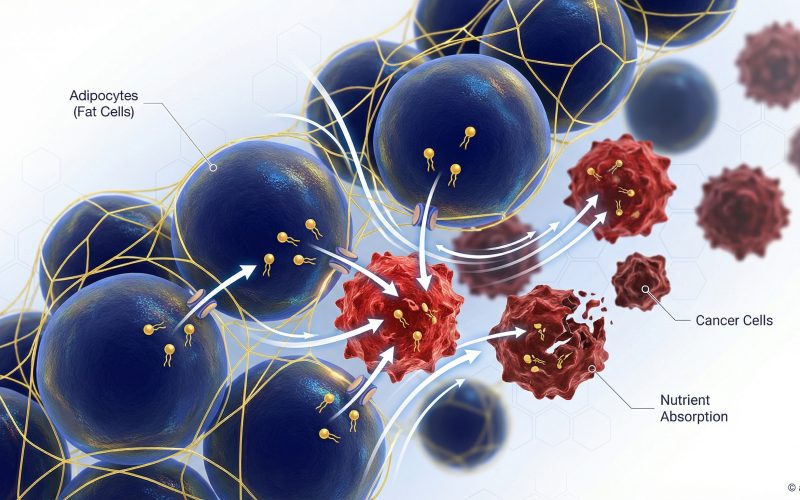
Fat Cells Reprogrammed to Starve Cancer Cells of Nutrients
UCSF researchers have discovered a method that repurposes fat cells into cancer-fighting agents by starving tumor cells.
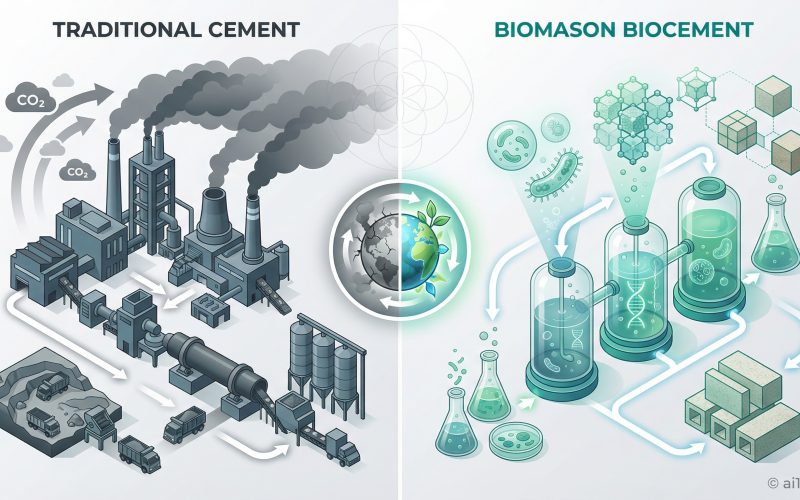
Biomason’s Biological Cement Paves the Way for Carbon-Free Construction
Biomason introduces a planet-friendly cement made through biological processes, eliminating carbon emissions in construction materials.
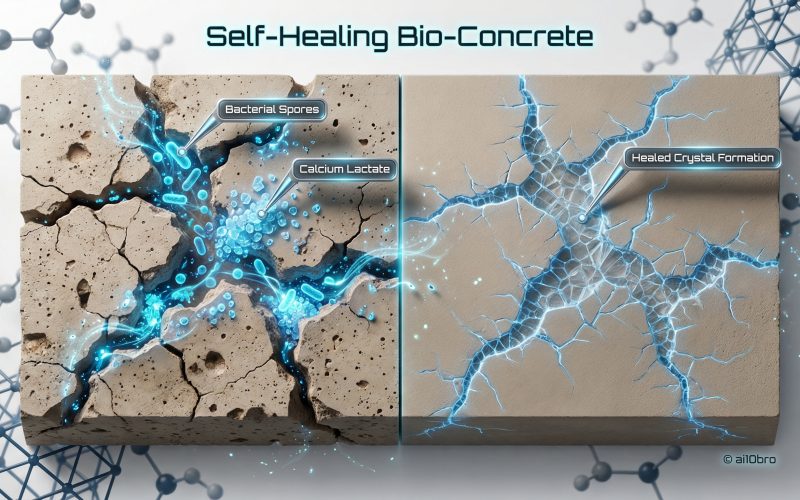
Self-Healing Concrete Uses Additives to Extend Infrastructure Lifespan
Self-healing concrete, a type of concrete that repairs cracks without human intervention, is poised to revolutionize construction and infrastructure projects.