Synthetic DNA Cryptography Secures Pharmaceutical Supply Chains

Counterfeit drugs pose a significant threat to public health and safety, costing the pharmaceutical industry billions annually. In response, Dr. Sreeja Sukumaran of Christ University, Bangalore, has developed an innovative solution that leverages synthetic DNA cryptography to authenticate pharmaceutical products.
Overview
The new method involves embedding unique synthetic DNA sequences into drug packaging or directly within the medication itself. These sequences act as digital fingerprints, providing a robust and nearly impossible-to-replicate authentication mechanism. By integrating advanced cryptographic techniques with biological markers, this approach represents a significant leap in anti-counterfeiting technology.
Context & Significance
The global market for counterfeit drugs is estimated to exceed $200 billion by 2030. This burgeoning threat not only undermines consumer trust but also leads to severe health consequences and economic losses. Dr. Sukumaran’s innovation addresses a critical need in securing supply chains, safeguarding patient lives, and maintaining the integrity of pharmaceutical products.
How It Works
The process begins with creating unique synthetic DNA sequences that are integrated into drug packaging or directly into the medication itself using nanotechnology. These sequences serve as digital fingerprints and can be read through advanced sequencing technologies to verify the authenticity of the product. Each sequence is encrypted with a public key infrastructure (PKI), ensuring that only authorized parties can decode the information.
Real-World Applications
The technology has immediate applications in pharmaceutical manufacturing, distribution, and retail settings. Companies such as Pfizer, Merck, and Johnson & Johnson could integrate this solution into their supply chains to authenticate products from production through end-user consumption. Additionally, it can be used in regulatory compliance checks and consumer verification processes.
What’s Next
The next phase involves scaling the technology for broader commercial adoption. Collaboration with pharmaceutical giants will be crucial for widespread implementation. Regulatory approval is another key milestone that needs to be achieved before this technology can be fully deployed across supply chains globally. Despite these challenges, Dr. Sukumaran remains optimistic about the potential of synthetic DNA cryptography to revolutionize anti-counterfeiting efforts.
Related Insights
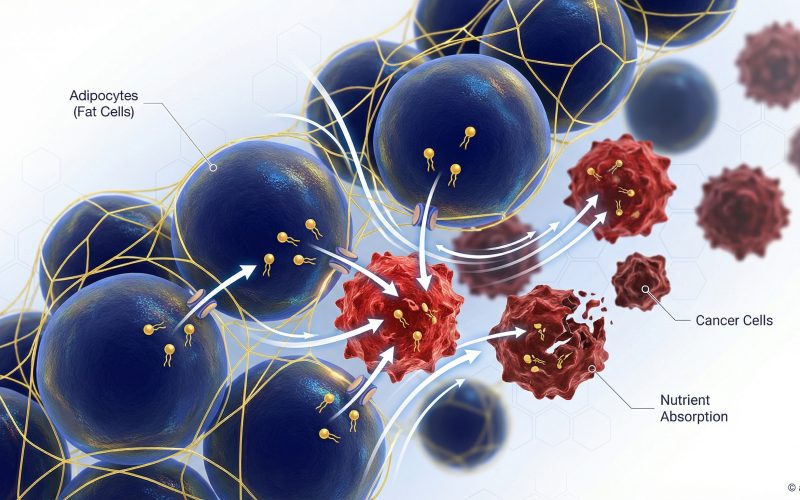
Fat Cells Reprogrammed to Starve Cancer Cells of Nutrients
UCSF researchers have discovered a method that repurposes fat cells into cancer-fighting agents by starving tumor cells.
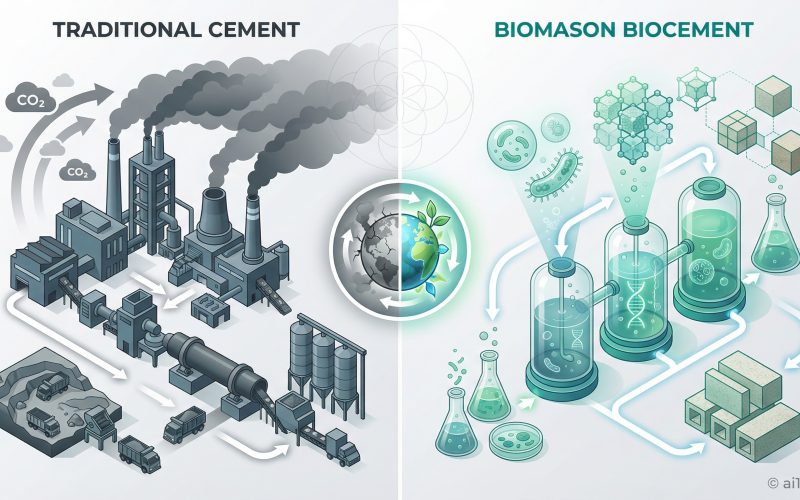
Biomason’s Biological Cement Paves the Way for Carbon-Free Construction
Biomason introduces a planet-friendly cement made through biological processes, eliminating carbon emissions in construction materials.
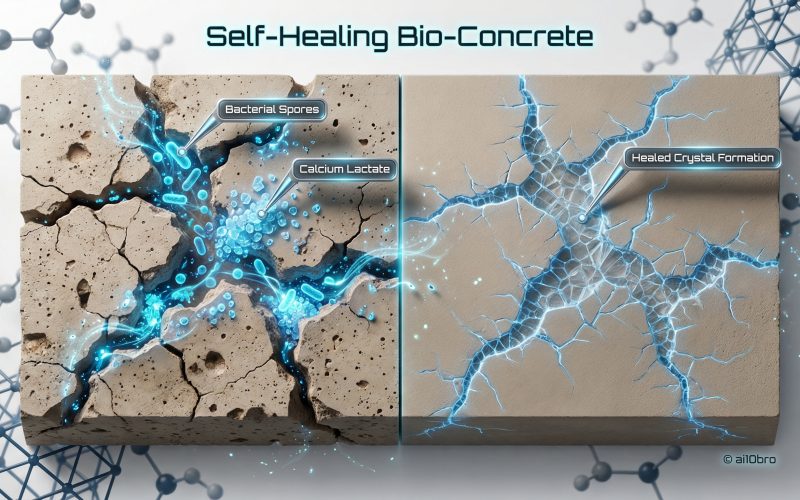
Self-Healing Concrete Uses Additives to Extend Infrastructure Lifespan
Self-healing concrete, a type of concrete that repairs cracks without human intervention, is poised to revolutionize construction and infrastructure projects.