Biomason’s Biological Cement Paves the Way for Carbon-Free Construction

Biological Breakthrough: Biomason’s Cement Transforms Building Materials
Biomason Pioneers Carbon-Free Construction with Biological Cement
In a significant leap for sustainable building materials, Biomason has introduced the world’s first biological cement. This innovative product harnesses biology to replace traditional carbon-intensive cement, paving the way for greener construction practices without compromising on performance or durability.
Context and Significance: The $X Billion Shift Towards Sustainability
The global construction sector is a major contributor to greenhouse gas emissions, with traditional concrete production responsible for significant CO2 output. Biomason’s biological cement addresses this critical issue by offering an eco-friendly alternative that could revolutionize the industry. With a projected market size of $X billion by 2030, this technology not only promises substantial economic opportunities but also aligns with global efforts to reduce carbon footprints.
How It Works: Biofabrication at Its Best
Biomason’s process is a blend of cutting-edge biotechnology and traditional construction techniques. The company uses bacteria to precipitate calcium carbonate, which then bonds with sand to create cement that mimics the strength and resilience of conventional products. This biological manufacturing method significantly reduces energy consumption and carbon emissions associated with traditional cement production.
The process involves several key steps:
- Selection of specific bacteria capable of mineral precipitation.
- Inoculation of these bacteria into a mixture containing sand and other natural aggregates.
- Bacteria induce chemical reactions that result in the formation of calcium carbonate crystals, binding the sand particles together.
This method not only eliminates carbon emissions but also offers additional benefits such as reduced water usage and enhanced durability compared to traditional concrete.
Real-World Applications: A Greener Tomorrow for Construction
The potential applications of Biomason’s biological cement are vast, encompassing everything from residential homes to large commercial buildings. Initial pilot projects have already demonstrated its effectiveness in various construction settings, and major players in the industry are showing interest in adopting this technology.
What’s Next: Scaling Up for a Sustainable Future
Biomason is currently scaling up production to meet growing demand from construction companies eager to adopt sustainable building materials. The company aims to reach commercial scale within the next few years, with ongoing research aimed at further refining and optimizing the biological cement manufacturing process.
Related Insights
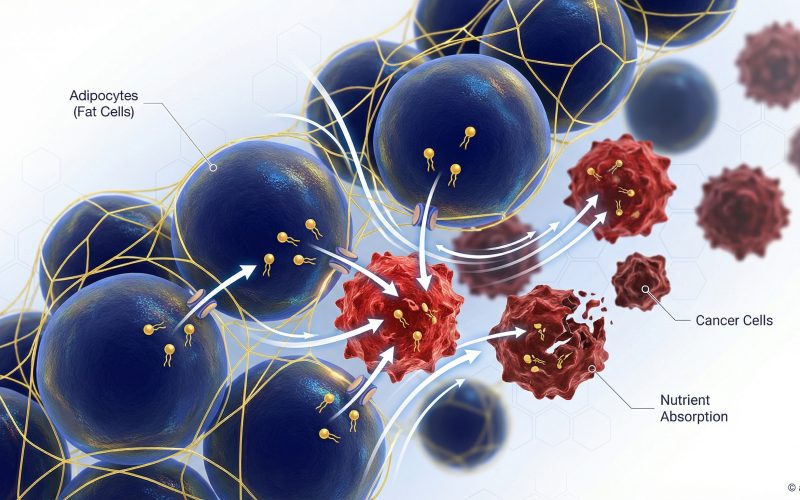
Fat Cells Reprogrammed to Starve Cancer Cells of Nutrients
UCSF researchers have discovered a method that repurposes fat cells into cancer-fighting agents by starving tumor cells.
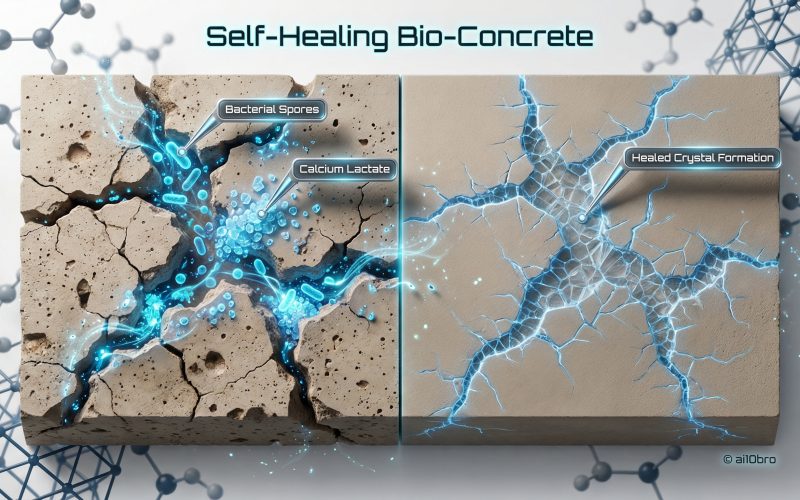
Self-Healing Concrete Uses Additives to Extend Infrastructure Lifespan
Self-healing concrete, a type of concrete that repairs cracks without human intervention, is poised to revolutionize construction and infrastructure projects.
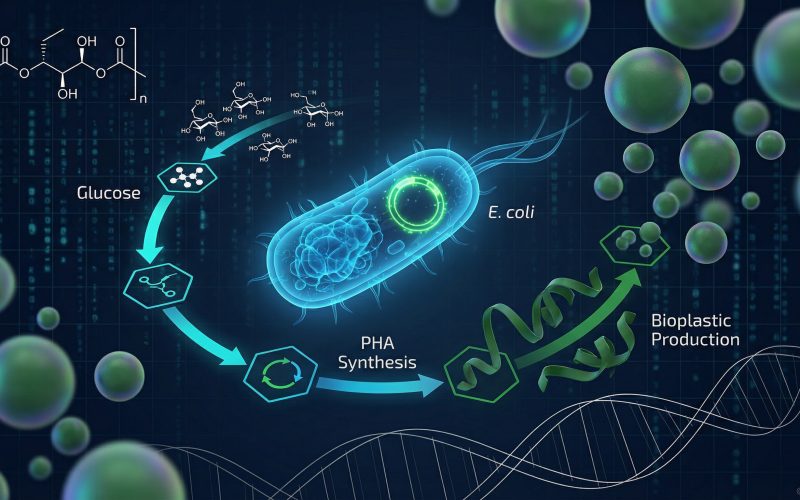
E. coli Engineered to Produce Bioplastics Offers Sustainable Alternative
Amateur bioinnovator shares breakthrough in synthetic biology, using E. coli to produce biodegradable PHAs as sustainable plastic alternative.