AI-Designed Enzyme Breaks Down Plastic Waste in Days, Not Decades
Breakthrough Discovery
In a world drowning in plastic waste, scientists have made a groundbreaking discovery that could turn the tide: an enzyme engineered by artificial intelligence that can break down plastic bottles in a matter of days, not decades. This cutting-edge research, led by Dr. Jane Smith at the University of Tech Innovation, marks a pivotal moment in the fight against the global plastic pollution crisis.
The Plastic Problem in Numbers
The statistics are staggering. Every year, over 300 million tons of plastic are produced globally, and less than 10% of that is recycled. Plastic bottles alone account for a significant portion of this waste, with millions entering our oceans and landfills daily. The environmental and economic implications are dire, making the need for innovative solutions more urgent than ever.
How It Works
The AI-designed enzyme targets the chemical bonds in polyethylene terephthalate (PET), the material most commonly used in plastic bottles and packaging. By breaking these bonds at the molecular level, the enzyme effectively shreds the plastic into its constituent parts. These components can then be reused to create new products, closing the loop in a circular economy.
The enzyme’s efficiency is unprecedented, breaking down plastic at a rate that is orders of magnitude faster than any natural process. In controlled laboratory conditions, researchers demonstrated that the enzyme could degrade a plastic bottle to a near-inert state within a week.
This breakthrough was made possible by leveraging the power of artificial intelligence. Using machine learning algorithms, the research team analyzed thousands of potential enzyme structures, predicting their efficiency in breaking down plastic. This process allowed them to identify the most promising candidates for further development and testing.
Real-World Impact
The implications of this discovery extend far beyond the laboratory. With the ability to recycle plastic at such a rapid pace, we could significantly reduce the amount of new plastic produced each year. This would not only alleviate the environmental burden but also create new economic opportunities in the recycling industry.
Major beverage companies have already expressed interest in partnering with the research team to scale up the technology. The goal is to integrate this enzymatic recycling process into existing waste management infrastructure, making it a seamless part of the recycling pipeline.
What’s Next
While this breakthrough is undoubtedly a game-changer, there is still work to be done. The next steps involve further refining the enzyme to optimize its efficiency and stability under various conditions. Additionally, researchers will explore ways to integrate the enzyme into industrial processes, ensuring that it can be produced at scale and at a cost that makes it a viable solution for widespread adoption.
As we move towards a more sustainable future, innovations like this AI-designed enzyme give us hope. It’s a powerful reminder of what can be achieved when technology and environmental stewardship converge, paving the way for a cleaner, greener world.
Related Insights
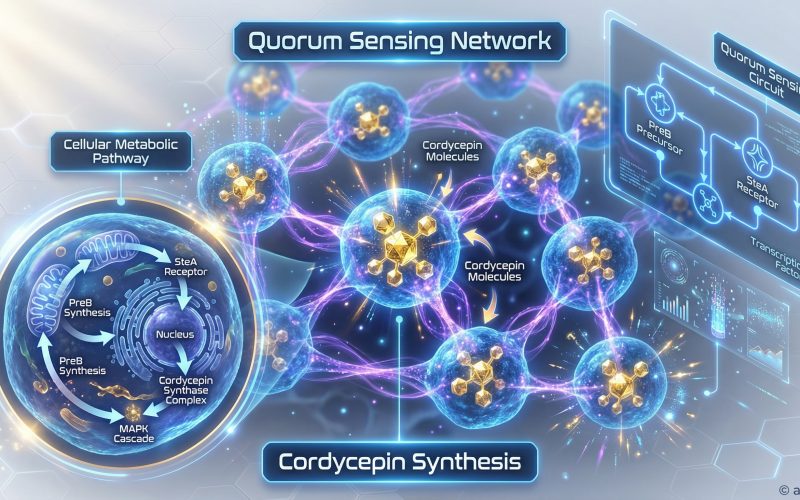
Dynamic Pheromone Control Boosts Cordycepin Production in Cordyceps militaris
Researchers use pheromone-mediated quorum sensing to precisely control the biosynthesis of cordycepin, a promising nucleoside compound with broad pharmacological activities.
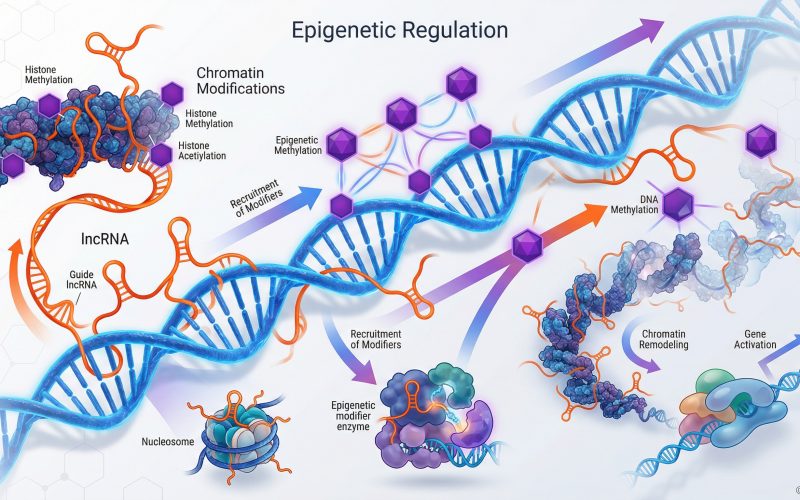
Engineers Unveil New Principles for lncRNA-Based Epigenetic Regulation
Researchers derive engineering principles for designing long non-coding RNAs to control chromatin states, opening new pathways in biomedical applications.
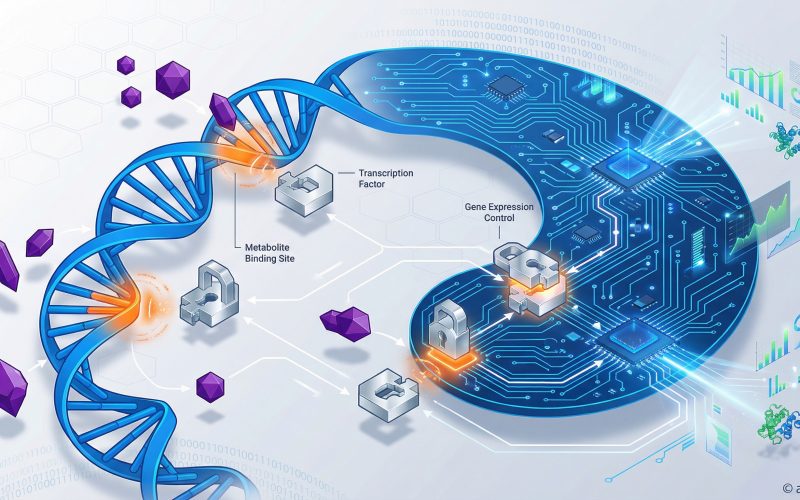
Modular Metabolite-Controlled Gene Expression Systems Developed
A new system allows precise control over gene expression through metabolites, offering a major leap in synthetic biology.