Modular Metabolite-Controlled Gene Expression Systems Developed

Hook
A team of researchers has unlocked the potential for precise genetic manipulation by developing modular platforms that can be controlled by specific metabolites. This breakthrough could revolutionize how we engineer and control gene expression within cells, offering a level of precision never before seen in synthetic biology.
Overview
A team led by Haekang Ji from Korea’s prestigious universities has developed a novel system for controlling gene expression through metabolite-responsive transcription factors. This innovative approach allows for the selective activation or deactivation of specific genes, overcoming limitations posed by traditional inducible systems that activate all genes under similar promoters simultaneously. The study was published in PubMed under ID 41440301.
Context & Significance
This research is significant as it opens new avenues for precision medicine, metabolic engineering, and biotechnology applications. By offering finer control over gene expression, this system can be used to optimize cellular processes in a more targeted manner than before. The global synthetic biology market is projected to reach $38 billion by 2030, indicating the vast economic potential of such innovations.
This breakthrough addresses previous limitations where inducing a single metabolite would indiscriminately affect multiple genes controlled by similar promoters. With this new approach, researchers can now tailor gene expression responses more precisely, leading to better cellular function and efficiency in biotech processes.
How It Works
The core innovation lies in the use of metabolite-inducible systems, specifically targeting MarR from bacterial species. These transcription factor systems can be triggered by specific metabolites, allowing researchers to control which genes are expressed and when. The modularity of these platforms means that various metabolic pathways can be engineered independently without interfering with each other.
To understand this better, consider a biological circuit where certain components (genes) need to be activated only in the presence of a particular chemical signal (metabolite). Traditionally, this would require complex genetic engineering. However, using these metabolite-responsive transcription factors, researchers can design systems where the activation or deactivation is seamless and controlled by the metabolic state of the cell.
Real-World Applications
The real-world implications are vast. In biopharmaceuticals, this could lead to more efficient production processes for drugs by optimizing cellular machinery without interference from unrelated gene expressions. Biotech companies focused on biofuels and biodegradable materials can also benefit significantly from enhanced metabolic control in their microbial hosts.
Several leading biotechnology firms are already exploring applications of these systems for developing next-generation therapies and industrial processes. The timeline to commercialization is anticipated within the next five years, with pilot projects expected to start as early as next year.
What’s Next
The immediate next steps involve further refining these systems to increase their precision and efficiency. Researchers will also explore integrating multiple metabolite-responsive transcription factors into a single system for more complex cellular engineering tasks. The ultimate goal is to achieve full control over metabolic pathways, enabling the creation of new biological functionalities that can solve pressing global challenges.
This innovation fits seamlessly with broader sustainability goals by enabling more efficient and environmentally friendly industrial processes. However, there are still significant challenges in scaling these systems up from lab-scale experiments to commercial production levels.
Related Insights
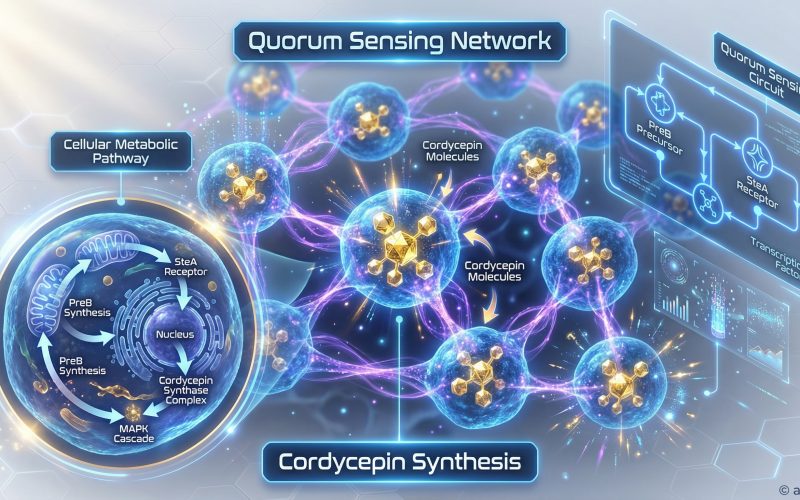
Dynamic Pheromone Control Boosts Cordycepin Production in Cordyceps militaris
Researchers use pheromone-mediated quorum sensing to precisely control the biosynthesis of cordycepin, a promising nucleoside compound with broad pharmacological activities.
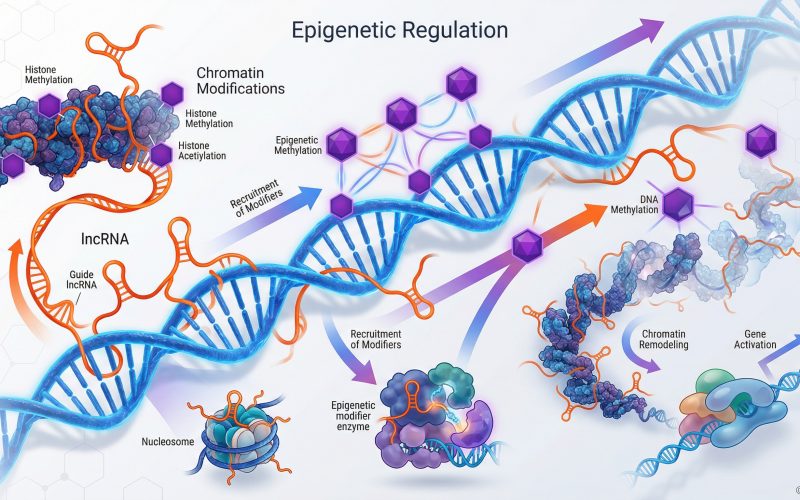
Engineers Unveil New Principles for lncRNA-Based Epigenetic Regulation
Researchers derive engineering principles for designing long non-coding RNAs to control chromatin states, opening new pathways in biomedical applications.
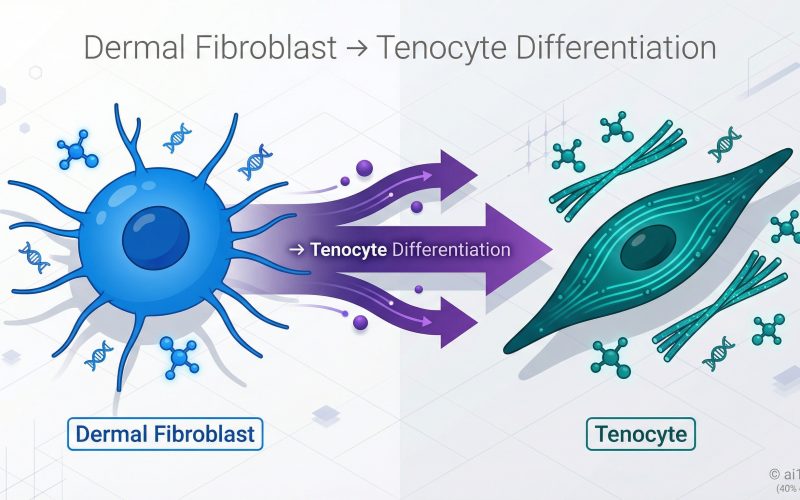
Bioengineering Advances Tendon Repair with Dermal Fibroblasts
Researchers from the European Union have made a breakthrough in bioengineering that could revolutionize tendon repair by directing dermal fibroblasts…