Engineers Unveil New Principles for lncRNA-Based Epigenetic Regulation
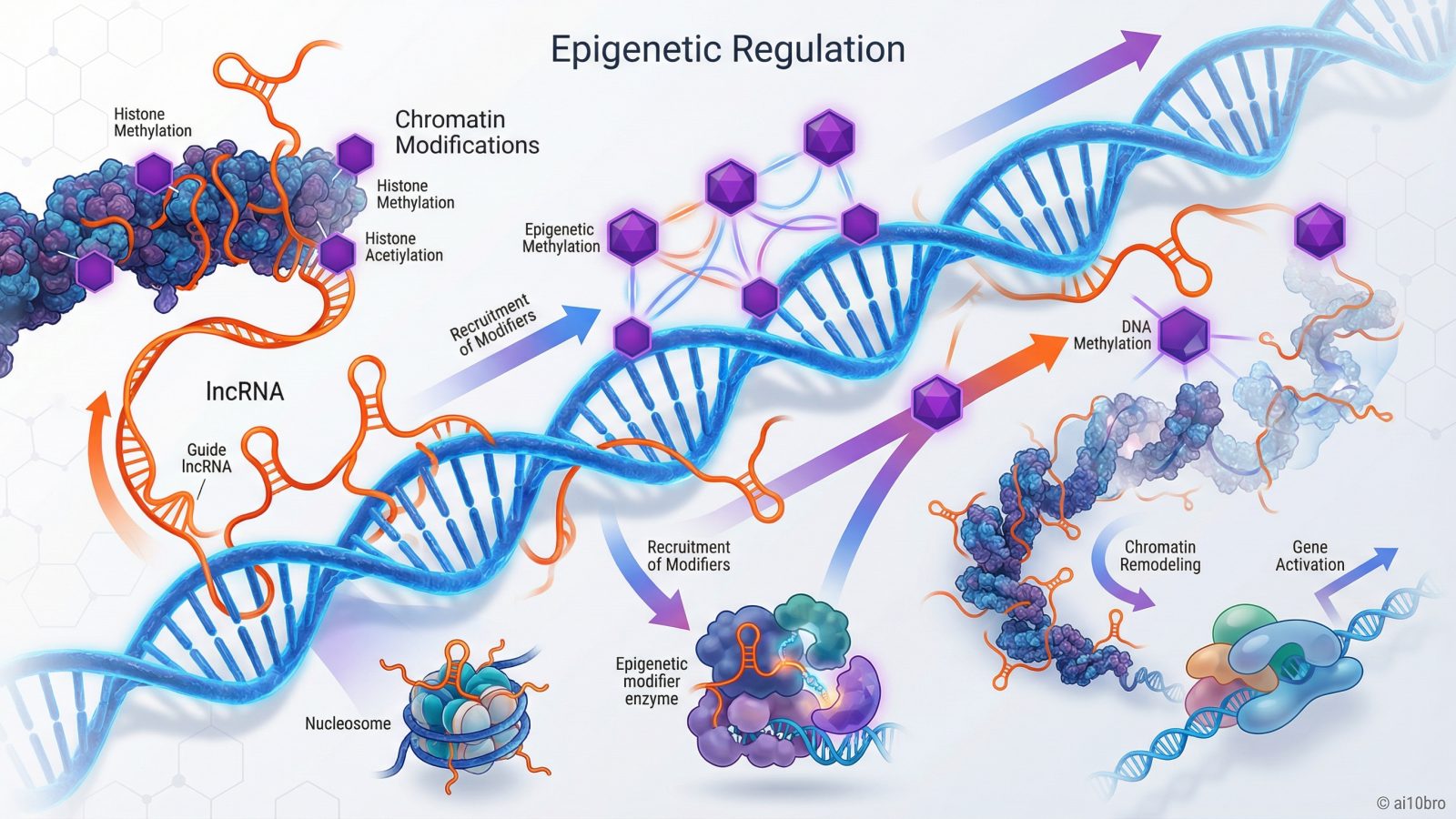
Scientists from a collaborative research team have taken a significant step towards harnessing the power of long non-coding RNAs (lncRNAs) in synthetic biology. By focusing on their ability to induce outsized effects on chromatin regulation across large genomic regions, they aim to unlock new methods for durable gene amplification and regulation.
Overview
The research team, including Shalley Sharma, Seong Hu Kim, Tian Hong, Aaron M Johnson, Alisha Jones, Keriayn N Smith, and Karmella A Haynes, published their findings under the title “Ectopic expression to synthetic design: Deriving engineering principles of lncRNA-mediated epigenetic regulation.” This study explores how foundational studies on ectopic expression can lead to insights about lncRNA-mediated epigenetic mechanisms.
Context and Significance
The potential implications for this research extend beyond the laboratory, offering transformative benefits in fields like gene dosage correction. By developing lncRNA-based technologies for genome regulation, scientists are paving the way for significant advances in cell state control, which could potentially revolutionize biomedical applications.
One of the critical areas where this technology can have a substantial impact is in precision medicine, particularly for genetic disorders that involve misregulated gene dosage. According to market analysts, the global gene therapy market was valued at approximately $10 billion in 2023 and is expected to grow to over $50 billion by 2030. This growth trajectory underscores the enormous economic opportunity associated with advancements like those described in this study.
How It Works
The innovative approach outlined in the research involves understanding how lncRNAs can induce large-scale chromatin modifications, allowing for precise and durable regulation of gene expression. Unlike current RNA-based tools that primarily operate post-transcriptionally and yield transient responses, this method leverages the unique ability of lncRNAs to interact with chromatin structures across extensive genomic regions.
Process Breakdown
- The research team begins by examining ectopic expression patterns to uncover fundamental mechanisms of lncRNA-mediated epigenetic regulation.
- Next, they develop state-of-the-art transgenic systems capable of studying these intricate processes in detail.
- A key innovation lies in the composability and modularity of lncRNA elements, which can be engineered to build rationally designed systems with specific chromatin-modifying functions.
The researchers also emphasize the importance of deepening mechanistic insights into lncRNA function. This knowledge, combined with advanced technologies for genome regulation, will allow scientists to control cell states more effectively and precisely than ever before.
Real-World Applications
This technology holds promising real-world applications in various sectors such as pharmaceuticals, agriculture, and biotechnology. For instance, in the context of gene dosage correction, lncRNA-based regulation could provide a targeted approach to treating genetic disorders without altering the underlying DNA sequence.
Several companies are already exploring this technology for potential commercial applications, with initial pilot studies showing promising results. The timeline for broader adoption is expected to be within five to ten years as regulatory frameworks and manufacturing processes evolve alongside scientific advancements.
What’s Next
The immediate next steps involve further refining the lncRNA design process to ensure optimal functionality in different contexts. Key milestones include scaling up lab-scale technologies to pilot projects, followed by broader commercialization efforts.
In line with larger sustainability and bio-innovation goals, this technology offers a promising pathway for creating more efficient and sustainable biotechnological processes. The remaining obstacles primarily revolve around refining regulatory interactions and ensuring the safety and efficacy of these interventions in clinical settings.
Related Insights
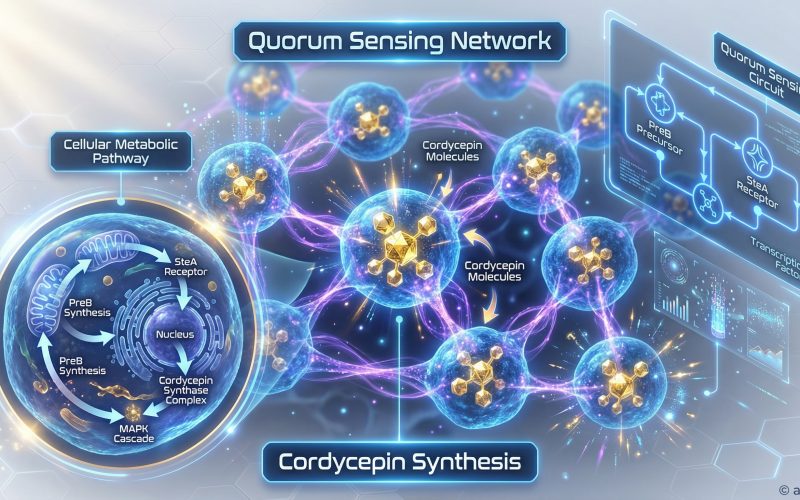
Dynamic Pheromone Control Boosts Cordycepin Production in Cordyceps militaris
Researchers use pheromone-mediated quorum sensing to precisely control the biosynthesis of cordycepin, a promising nucleoside compound with broad pharmacological activities.

Modular Metabolite-Controlled Gene Expression Systems Developed
A new system allows precise control over gene expression through metabolites, offering a major leap in synthetic biology.
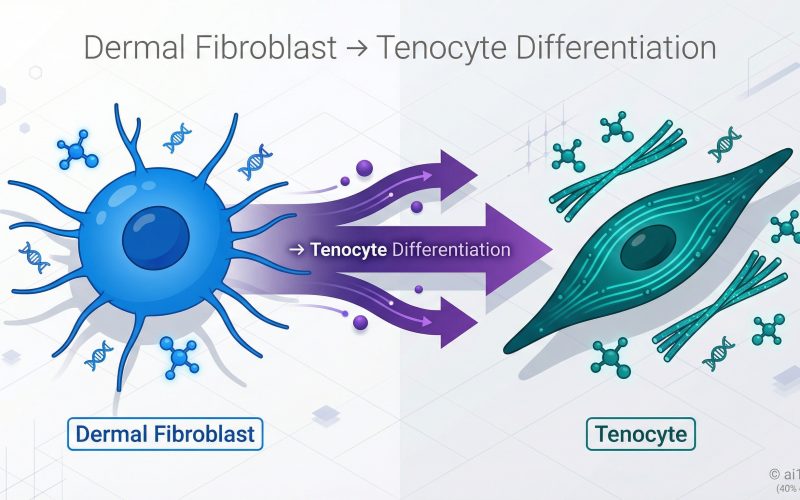
Bioengineering Advances Tendon Repair with Dermal Fibroblasts
Researchers from the European Union have made a breakthrough in bioengineering that could revolutionize tendon repair by directing dermal fibroblasts…