Data-Driven Omics Integration Reveals Multilayer Biological Insights
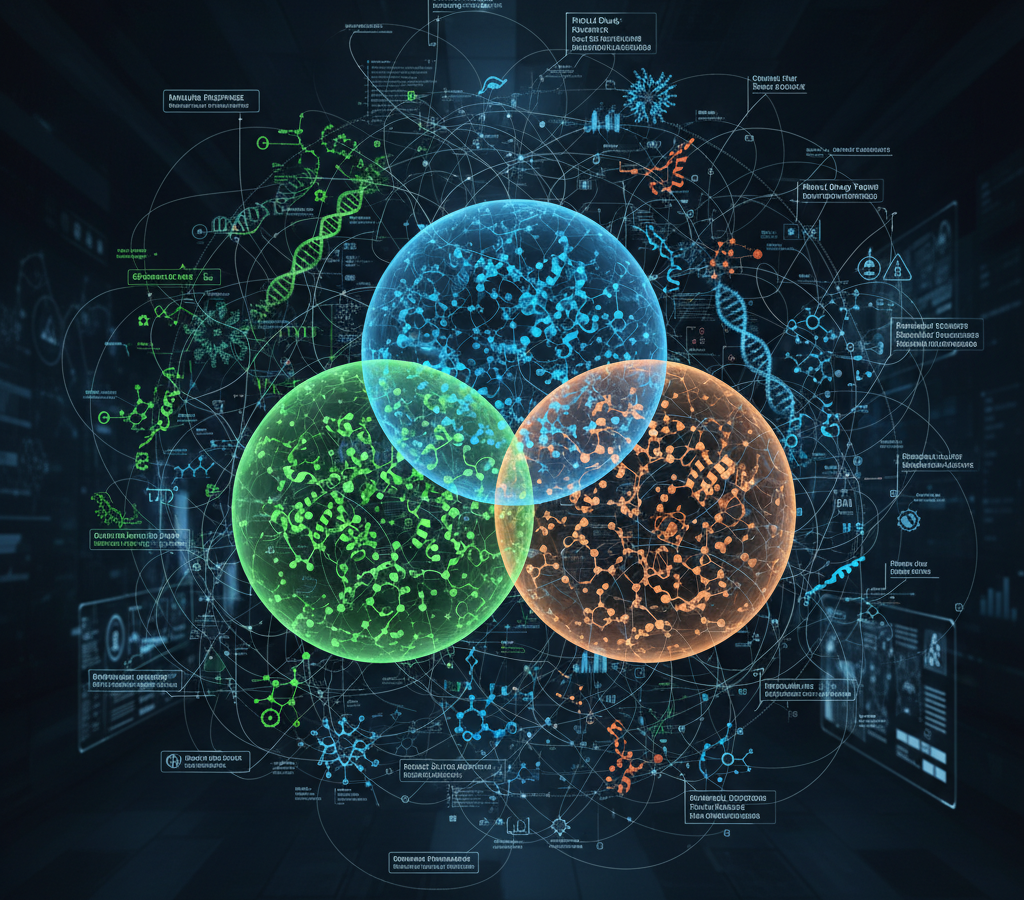
Unraveling Biological Complexity Through Data Integration
In the era of big data, the field of systems biology is harnessing the power of high-throughput technologies to generate vast amounts of omics data. By integrating information from genomics, transcriptomics, proteomics, and metabolomics, researchers are gaining unprecedented insights into diseases and identifying potential biomarkers. A recent narrative review published in the Journal of Translational Medicine highlights the strategies applied between 2018 and 2024 to integrate these diverse biological layers.
Integrating Omics Data: Approaches and Prevalence
The review divides integration approaches into three main categories: statistical-based approaches, multivariate methods, and machine learning/artificial intelligence techniques. Statistical approaches, primarily based on correlation, have seen slightly higher prevalence, followed by multivariate approaches and machine learning techniques. The integration of multiple biological layers has shown great potential in uncovering complex pathophysiological mechanisms and behaviors.
Connecting the Dots: From Data to Insights
By combining experimental and computational strategies, systems biology offers a holistic approach to understanding biological processes. The integration of omics data allows researchers to connect the dots between different scales of biological information, revealing a more comprehensive picture of health and disease. This approach overcomes previous limitations and opens up new avenues for biomarker discovery and therapeutic target identification.
Real-World Impact and Market Potential
The ability to integrate omics data has significant implications for the healthcare industry. By unraveling the complex interplay between genes, proteins, and metabolites, researchers can develop more precise diagnostic tools and personalized treatment strategies. The global omics market is projected to reach $X billion by 2030, driven by the increasing adoption of integrated approaches in drug discovery and disease management.
What’s Next: Overcoming Challenges and Scaling Up
While the integration of omics data has shown great promise, several obstacles remain. Standardizing data formats, ensuring data quality, and developing user-friendly tools are crucial steps in scaling up these approaches. As more researchers adopt integrated strategies and collaborate across disciplines, the field of systems biology will continue to advance, leading to new breakthroughs in our understanding of health and disease.
Related Insights
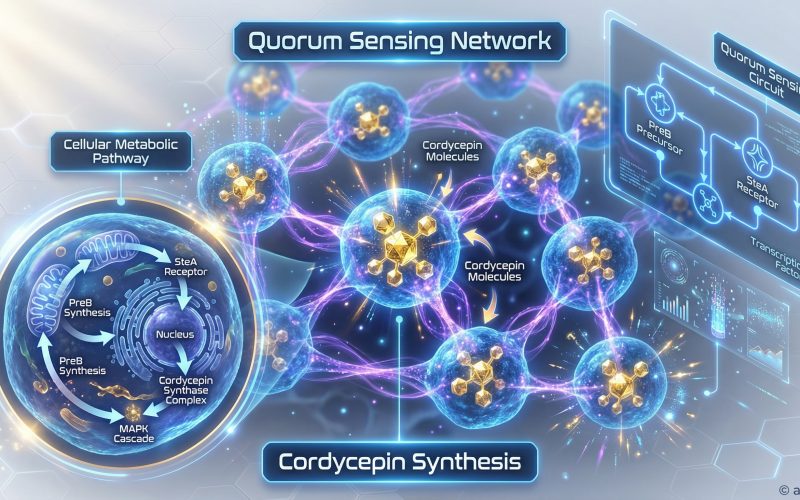
Dynamic Pheromone Control Boosts Cordycepin Production in Cordyceps militaris
Researchers use pheromone-mediated quorum sensing to precisely control the biosynthesis of cordycepin, a promising nucleoside compound with broad pharmacological activities.
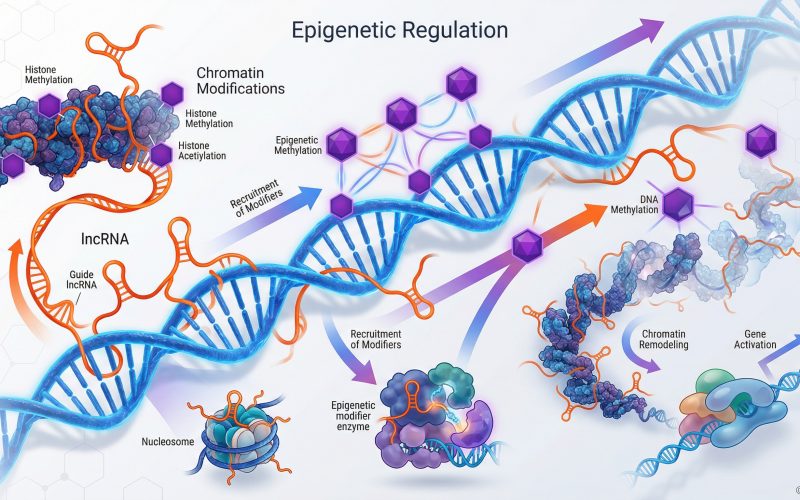
Engineers Unveil New Principles for lncRNA-Based Epigenetic Regulation
Researchers derive engineering principles for designing long non-coding RNAs to control chromatin states, opening new pathways in biomedical applications.
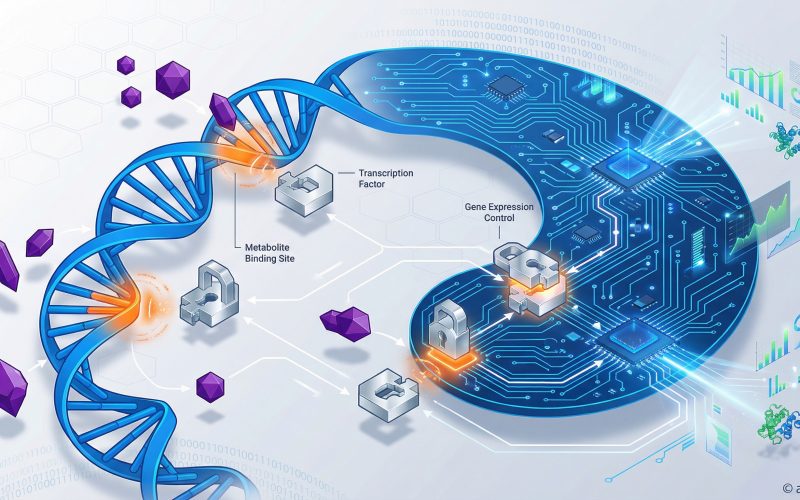
Modular Metabolite-Controlled Gene Expression Systems Developed
A new system allows precise control over gene expression through metabolites, offering a major leap in synthetic biology.