Engineered Bacteria Target Tumors with Precision Therapy
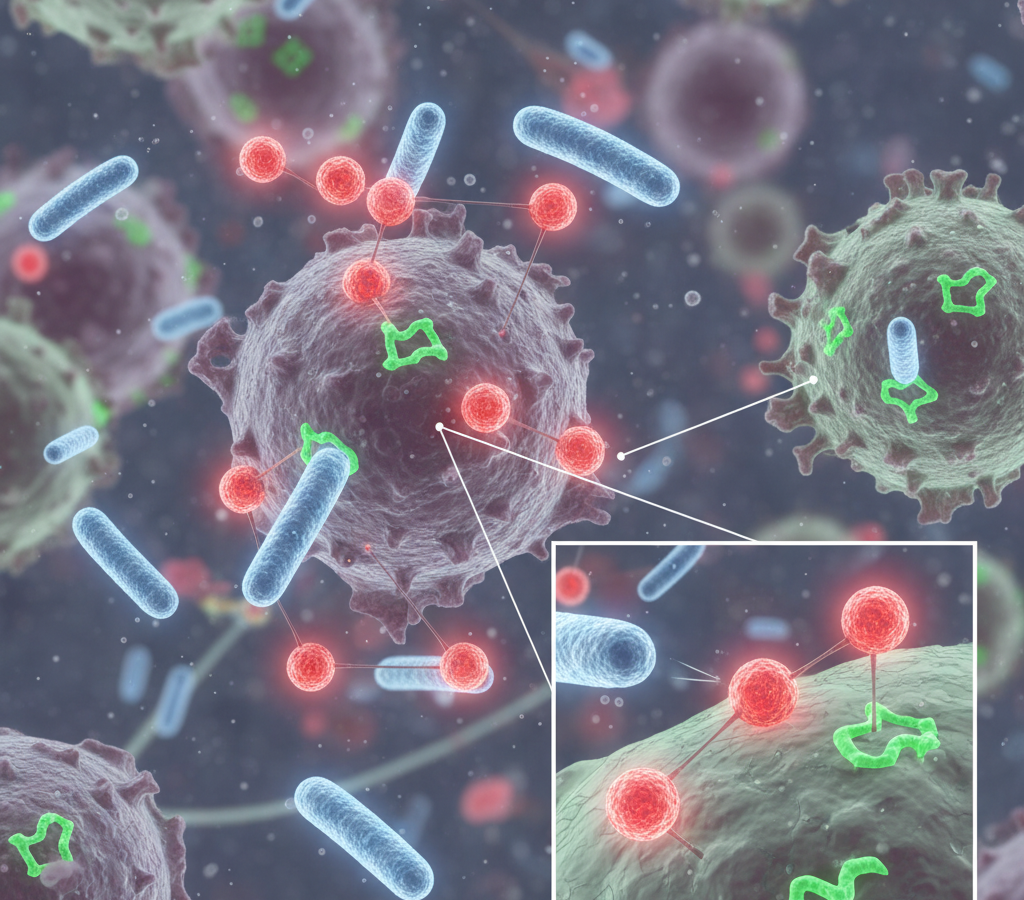
In a groundbreaking development, researchers from multiple institutions have developed a bioorthogonal and programmable bacterial delivery system specifically engineered for the targeted therapy of solid tumors. This new approach ensures that bacteria can deliver therapeutic payloads directly to cancer cells while minimizing harm to healthy tissues.
Overview
The team led by Drs. Yu-Jia Wang, Wen-Jie Jiang, and other collaborators has developed a sophisticated spatiotemporal targeting system for engineered bacteria, which are designed to release their therapeutic cargoes only within the tumor microenvironment. This breakthrough aims to address one of the significant challenges in cancer therapy: ensuring that treatments target tumors without adversely affecting healthy cells.
Context & Significance
This development is particularly significant as it aligns with broader trends in synthetic biology, where organisms are being programmed for precise therapeutic applications. The global market for targeted drug delivery systems is expected to grow to over $10 billion by 2030, highlighting the commercial potential of this innovation. By targeting cancer cells more precisely, this system could lead to reduced side effects and enhanced treatment outcomes.
How It Works
The researchers designed bacteria that are programmed to respond to specific signals within tumors. These signals act as triggers for the bacteria to release their therapeutic payloads. The system is bioorthogonal, meaning it operates without interfering with normal biological processes in healthy tissues. Key innovations include the use of synthetic promoters and genetic circuits that enable spatiotemporal control over bacterial activity.
Real-World Applications
The immediate application for this technology lies in cancer therapy, particularly for solid tumors where conventional treatments often struggle to achieve high precision without damaging surrounding healthy tissue. Companies in the biotech sector are likely to explore partnerships and licensing opportunities to integrate this system into their drug delivery platforms.
What’s Next
The next steps involve scaling up production of these engineered bacteria and conducting extensive clinical trials to establish safety and efficacy profiles. Researchers also plan to expand the range of therapeutic cargoes that can be delivered using this platform, potentially including gene therapies and immunotherapies.
Related Insights
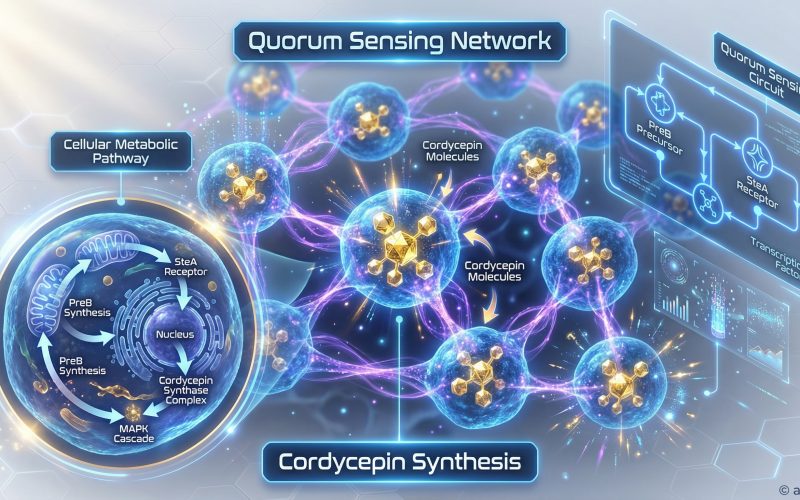
Dynamic Pheromone Control Boosts Cordycepin Production in Cordyceps militaris
Researchers use pheromone-mediated quorum sensing to precisely control the biosynthesis of cordycepin, a promising nucleoside compound with broad pharmacological activities.
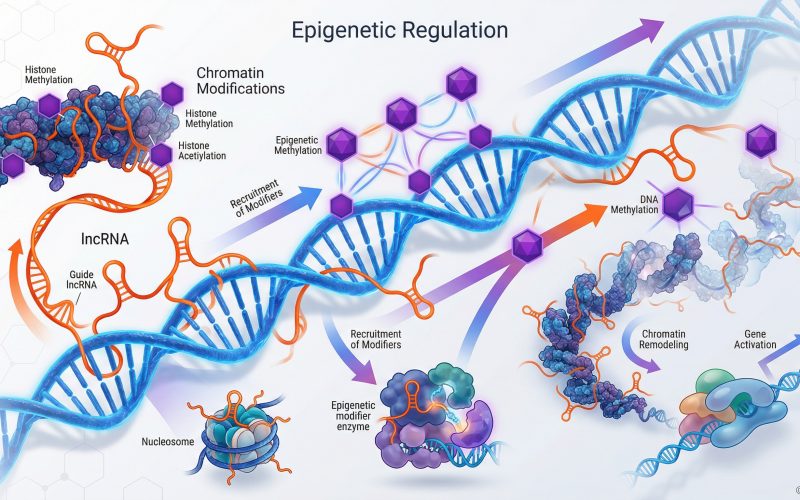
Engineers Unveil New Principles for lncRNA-Based Epigenetic Regulation
Researchers derive engineering principles for designing long non-coding RNAs to control chromatin states, opening new pathways in biomedical applications.
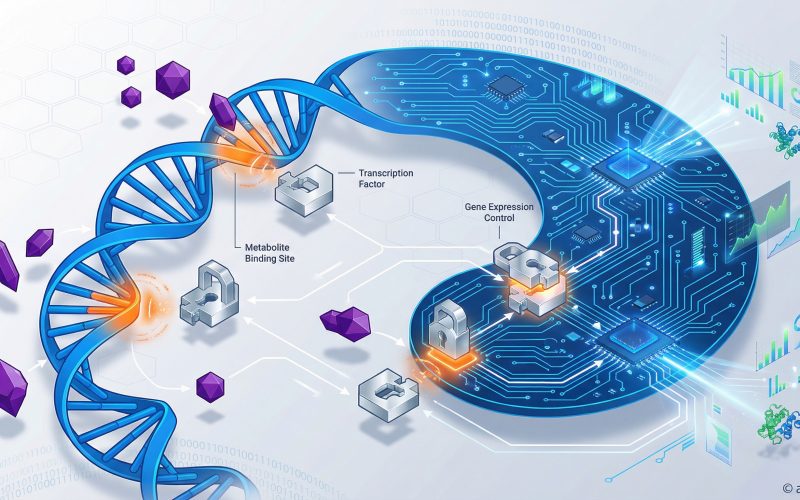
Modular Metabolite-Controlled Gene Expression Systems Developed
A new system allows precise control over gene expression through metabolites, offering a major leap in synthetic biology.