AI Optimizes Biosensors for Lead Detection in Drinking Water
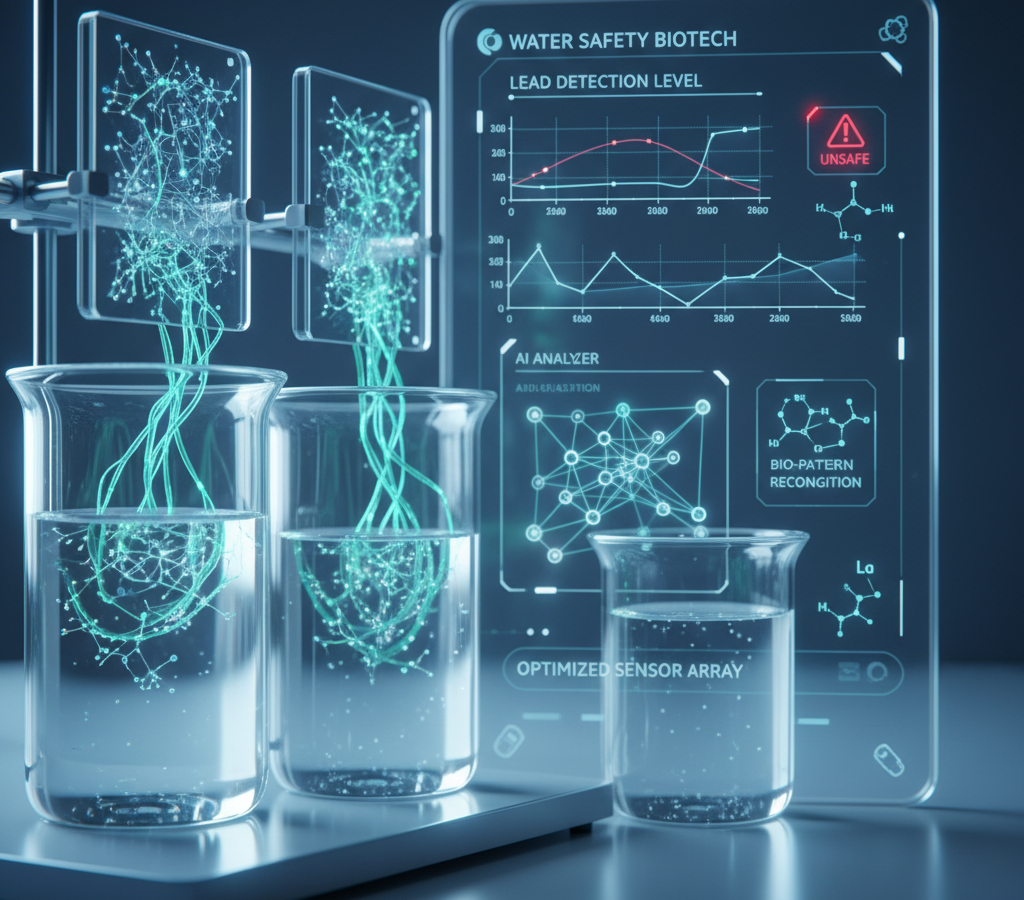
A team of researchers led by Michael C. Jewett from Northwestern University has successfully developed a novel approach for optimizing biosensors using artificial intelligence (AI). Their breakthrough lies in the creation of cell-free biosensors capable of detecting lead contamination in drinking water at levels as low as those defined by the U.S. Environmental Protection Agency (EPA).
Overview
The research, published in PubMed, details how these biosensors are based on allosteric transcription factors (aTFs). The team utilized a multi-objective, machine learning-guided cell-free gene expression workflow to optimize the sensitivity and selectivity of an aTF named PbrR for lead detection. This approach not only achieved unprecedented levels of precision but also distinguished between lead and zinc, a common contaminant often found in water supplies.
Context & Significance
The significance of this achievement extends beyond the laboratory to impact real-world applications in environmental monitoring and human health. Lead contamination remains a critical public health concern globally, with millions at risk from exposure through drinking water. According to the World Health Organization (WHO), lead poisoning is estimated to account for 143,000 deaths annually, making technologies that can accurately detect such contaminants crucial.
How It Works
The process begins by generating high-quality sequence-to-function data using cell-free gene expression. This data is then transformed into an augmented paired dataset used to train a machine learning model. The ML model is trained with directional labels, which are essential for capturing how mutations in the PbrR affect its performance as a biosensor.
The Role of Machine Learning
Machine learning plays a pivotal role by predicting and guiding the next round of mutations to enhance the biosensor’s sensitivity and selectivity. This rapid iterative process significantly reduces the time required for optimization, a critical step in bringing this technology closer to practical use.
Real-World Applications
The immediate application lies in point-of-use diagnostics for lead contamination, allowing users to test their drinking water at home or in schools and businesses. The ability to detect lead at EPA levels means that these biosensors can alert individuals and communities well before exposure reaches dangerous levels.
Moreover, the freeze-dried nature of the engineered PbrR suggests a scalable solution with potential for global distribution. This technology could empower regions lacking access to advanced water testing facilities, potentially mitigating health crises caused by lead poisoning in developing countries as well as industrialized nations.
What’s Next
The team at Northwestern University is now focusing on the commercialization of their biosensors. Initial pilot studies are planned for the near future, with a goal to bring this technology to market within the next three years. The broader impact includes not only water quality monitoring but also potential applications in environmental remediation and industrial safety.
The success of this project could pave the way for more AI-guided biosensors designed to detect other contaminants or pathogens, opening up new avenues in the intersection of synthetic biology and artificial intelligence.
Related Insights
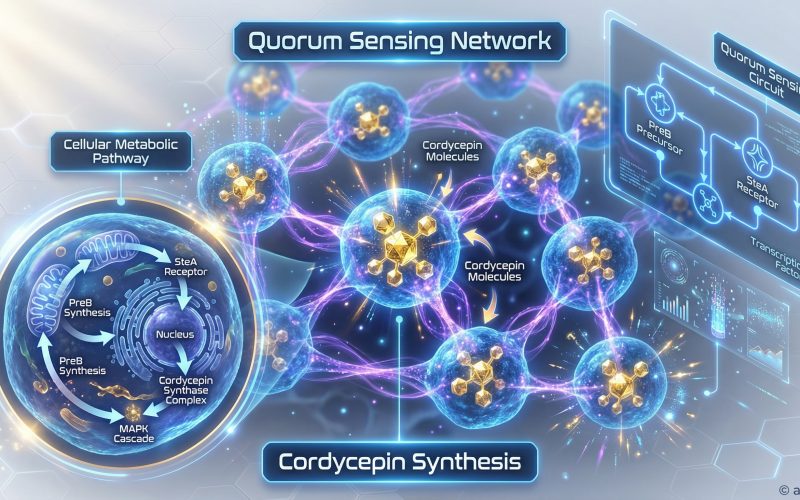
Dynamic Pheromone Control Boosts Cordycepin Production in Cordyceps militaris
Researchers use pheromone-mediated quorum sensing to precisely control the biosynthesis of cordycepin, a promising nucleoside compound with broad pharmacological activities.
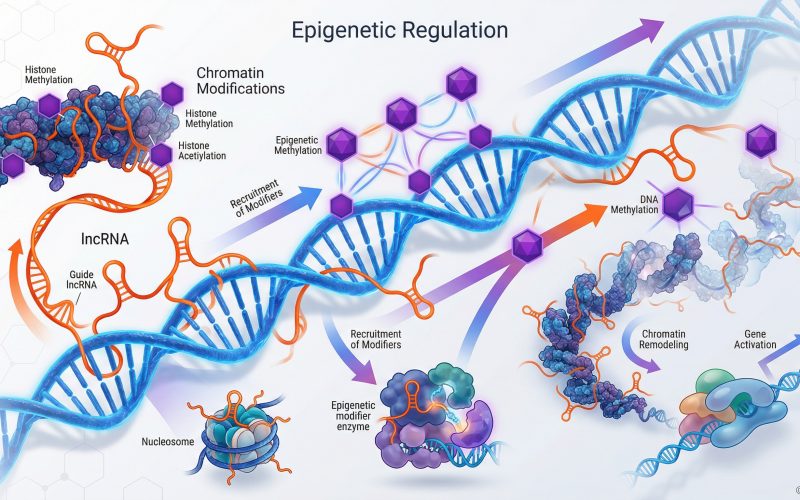
Engineers Unveil New Principles for lncRNA-Based Epigenetic Regulation
Researchers derive engineering principles for designing long non-coding RNAs to control chromatin states, opening new pathways in biomedical applications.
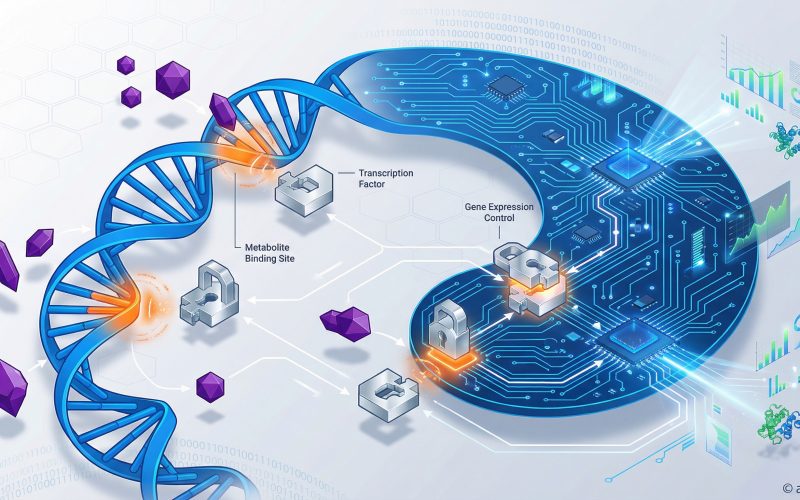
Modular Metabolite-Controlled Gene Expression Systems Developed
A new system allows precise control over gene expression through metabolites, offering a major leap in synthetic biology.