Advancing Organ-on-Chip Technology: Overcoming Inert Barriers in Fabrication
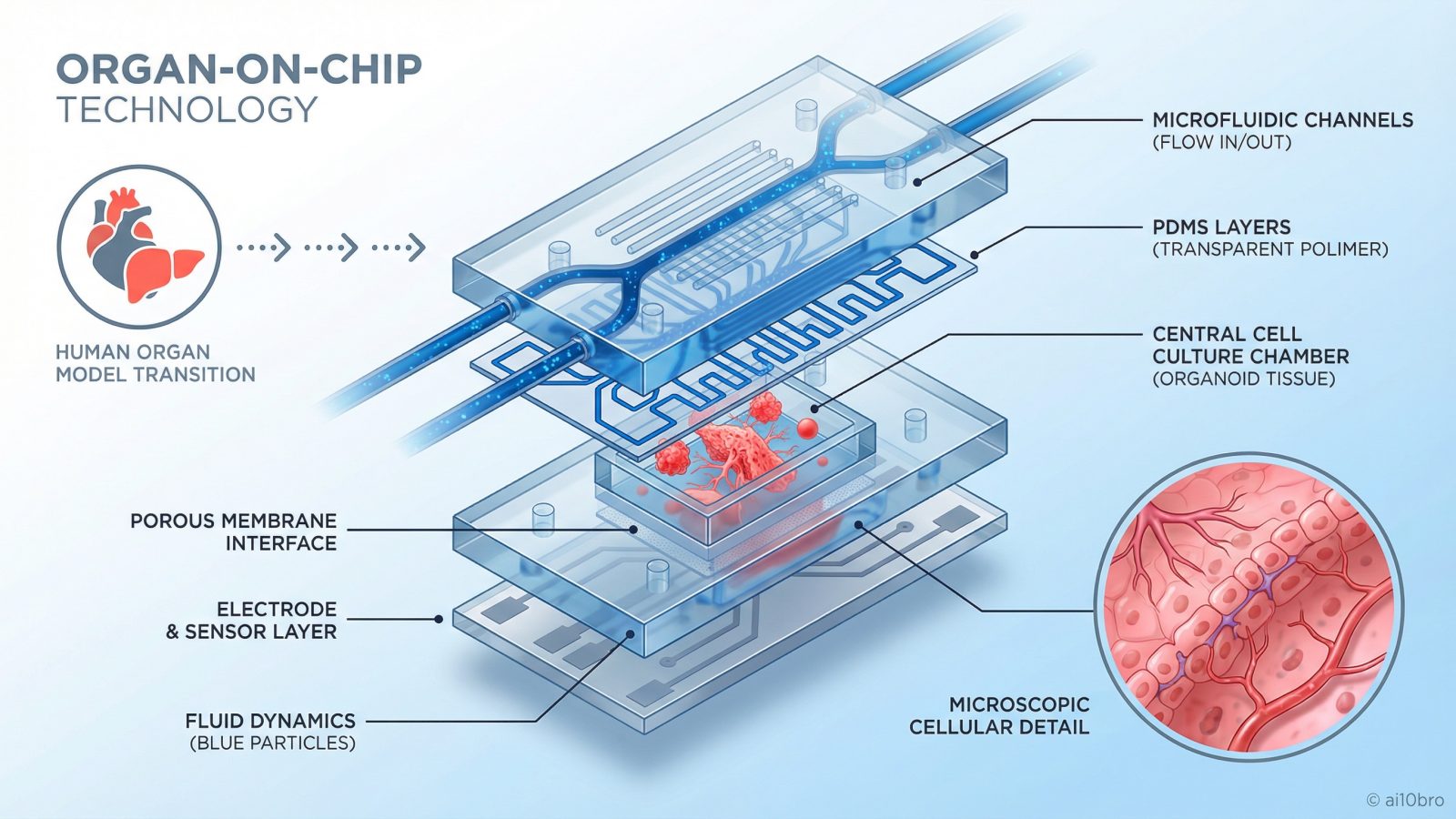
Organ-on-chip (OOC) systems have emerged as a transformative technology in the field of bioengineering. These miniature devices replicate human physiology with unprecedented accuracy, offering a promising alternative to traditional animal testing methods.
Overview
A recent review published by Claudia Olaizola-Rodrigo, Clara Bayona, Sara Oliván, and Rosa Monge at the University of Granada outlines significant progress in organ-on-chip fabrication methods. The researchers detail advancements from early developments to overcoming inert barriers that have long limited the technology’s effectiveness.
Context & Significance
The bioengineering industry is poised for a major transformation, with an estimated $10 billion market by 2030. Organ-on-chip systems offer a cost-effective and ethically sound approach to drug development and personalized medicine. These devices can reduce the need for animal testing, speed up clinical trials, and provide more accurate predictions of human responses to new treatments.
How It Works
The review highlights several key innovations in organ-on-chip fabrication. Traditionally, OOC systems were hindered by inert materials that did not accurately mimic the dynamic environment found within living tissues. By incorporating advanced biomaterials and microfluidic technologies, researchers have successfully overcome these limitations.
One breakthrough involves using biocompatible polymers that simulate natural tissue properties, such as elasticity and permeability. These materials allow for better cell adhesion and function, leading to more realistic organ models. Additionally, the integration of sensors and actuators enables real-time monitoring and control of experimental conditions, enhancing the predictive value of OOC systems.
Real-World Applications
The potential applications of improved organ-on-chip technology span numerous industries, including pharmaceuticals, cosmetics, and personalized medicine. Companies like Emulate Inc., CN Bio Innovations, and HemoShear Therapeutics are already leveraging these advancements to accelerate drug development processes.
For example, Emulate’s Human Emulation System has been used by several leading pharmaceutical companies for preclinical testing of new drugs, reducing the time and cost associated with traditional methods. As OOC technology matures, it is expected to become a standard tool in both academic research and industrial settings, driving further innovation and economic growth.
What’s Next
The road ahead involves refining fabrication processes for mass production while maintaining high levels of performance and reproducibility. Researchers are exploring ways to integrate multiple organ systems into single chips, creating ‘human-on-chip’ models that offer a more comprehensive view of systemic drug effects.
Furthermore, the next milestone will be achieving regulatory approval for OOC data in clinical trial submissions, which would significantly enhance their utility in drug development. As these developments unfold, they promise to bring us closer to a future where personalized and precise medicine becomes the norm rather than the exception.
Related Insights
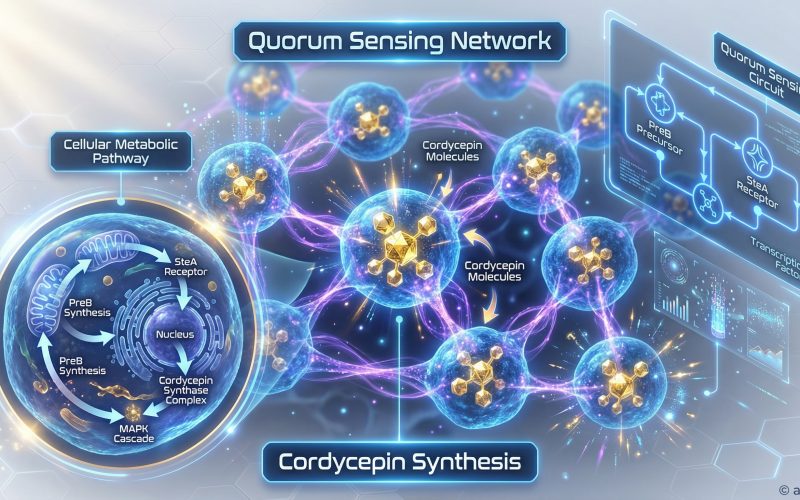
Dynamic Pheromone Control Boosts Cordycepin Production in Cordyceps militaris
Researchers use pheromone-mediated quorum sensing to precisely control the biosynthesis of cordycepin, a promising nucleoside compound with broad pharmacological activities.
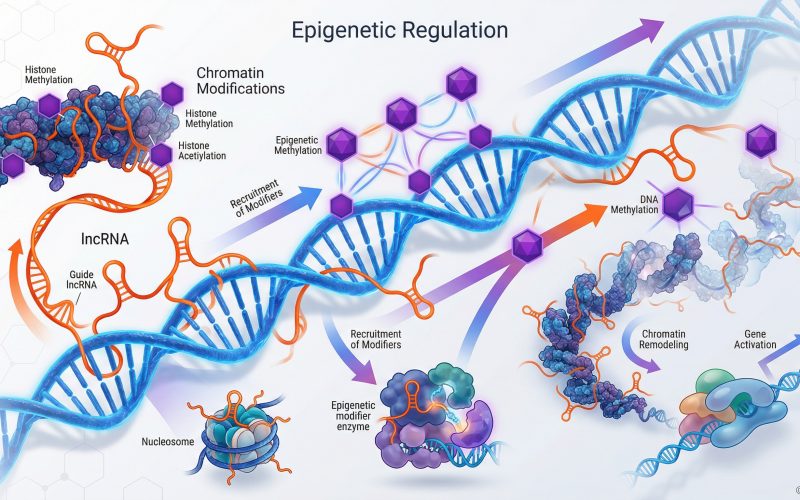
Engineers Unveil New Principles for lncRNA-Based Epigenetic Regulation
Researchers derive engineering principles for designing long non-coding RNAs to control chromatin states, opening new pathways in biomedical applications.
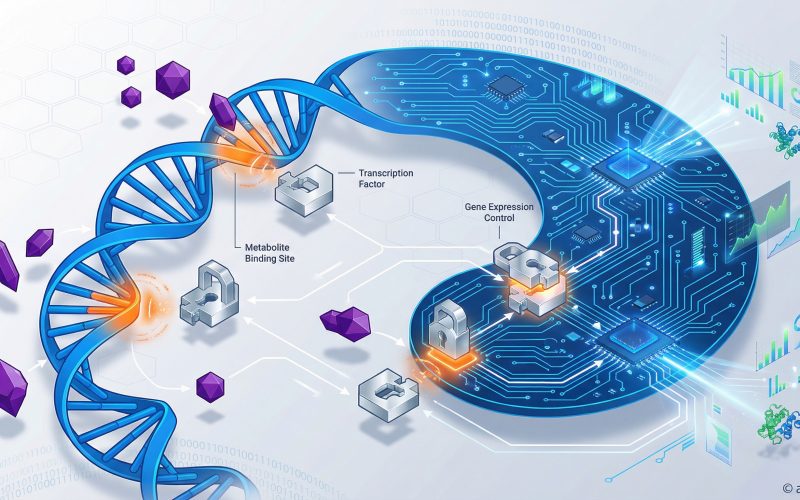
Modular Metabolite-Controlled Gene Expression Systems Developed
A new system allows precise control over gene expression through metabolites, offering a major leap in synthetic biology.