Bioengineering Breakthrough: Sustainable Alternative to Single-Use Plastics
Overview
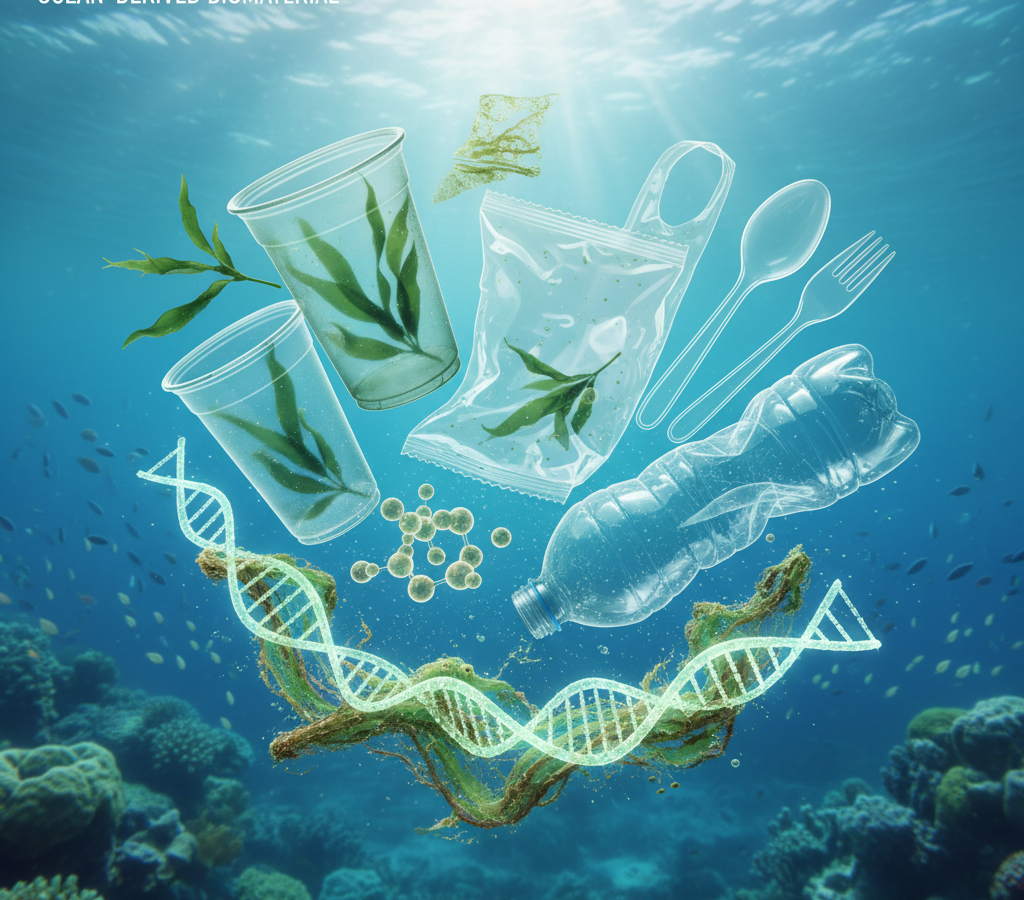
A team of researchers from the University of Bath has developed a sustainable, biodegradable alternative to single-use plastics using algae and seaweed extracts. This innovative material has the potential to replace traditional plastic packaging for a wide range of products, from food to cosmetics.
The key breakthrough lies in the combination of two biopolymers derived from marine organisms: alginate, extracted from seaweed, and chitosan, obtained from shellfish waste. By blending these two components, the researchers created a flexible, transparent film that exhibits similar mechanical properties to conventional plastic films.
Context & Significance
Single-use plastics have become a major environmental concern due to their slow degradation rate and the pollution they cause in marine ecosystems. With an estimated 8 million metric tons of plastic entering the oceans every year, finding sustainable alternatives is crucial.
The global bioplastic market is projected to reach $68.6 billion by 2024, growing at a CAGR of 17.1% from 2019 to 2024. This bioengineered alternative has the potential to capture a significant share of this market while reducing the environmental impact of single-use plastics.
How It Works
The researchers used a simple two-step process to create the biodegradable film. First, they dissolved chitosan in an acidic solution and alginate in water. Then, they mixed the two solutions in varying ratios to achieve the desired mechanical properties.
The resulting material is a thin, flexible film that can be easily molded into various shapes and sizes. It is also water-resistant, making it suitable for packaging applications. In addition, the film is biodegradable and compostable, breaking down within 4-6 weeks in soil or water.
Compared to traditional plastic films, this bioengineered alternative offers several advantages:
- Renewable and sustainable raw materials
- Lower carbon footprint during production
- Biodegradable and compostable
- Comparable mechanical properties
Real-World Applications
This sustainable material has the potential to replace single-use plastic packaging across various industries, including:
- Food and beverage
- Cosmetics and personal care
- Pharmaceuticals
- Agriculture
Several companies have already expressed interest in adopting this technology, including major food and beverage manufacturers and cosmetic brands. The researchers estimate that the material could be commercially available within the next 2-3 years.
What’s Next
The research team is currently working on scaling up the production process and conducting further tests to ensure the material’s safety and efficacy in various applications. They are also exploring additional formulations and potential uses, such as 3D printing and tissue engineering.
As the world moves towards a more sustainable future, innovations like this bioengineered plastic alternative will play a crucial role in reducing our reliance on fossil fuels and minimizing the environmental impact of our daily lives.
Related Insights
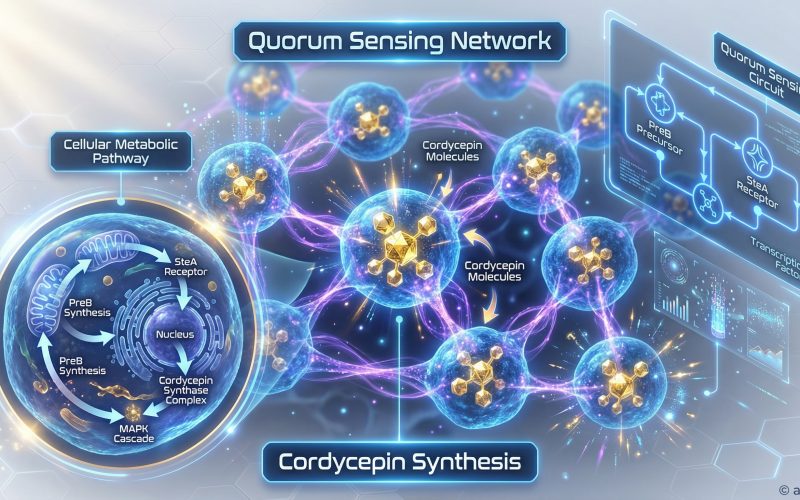
Dynamic Pheromone Control Boosts Cordycepin Production in Cordyceps militaris
Researchers use pheromone-mediated quorum sensing to precisely control the biosynthesis of cordycepin, a promising nucleoside compound with broad pharmacological activities.
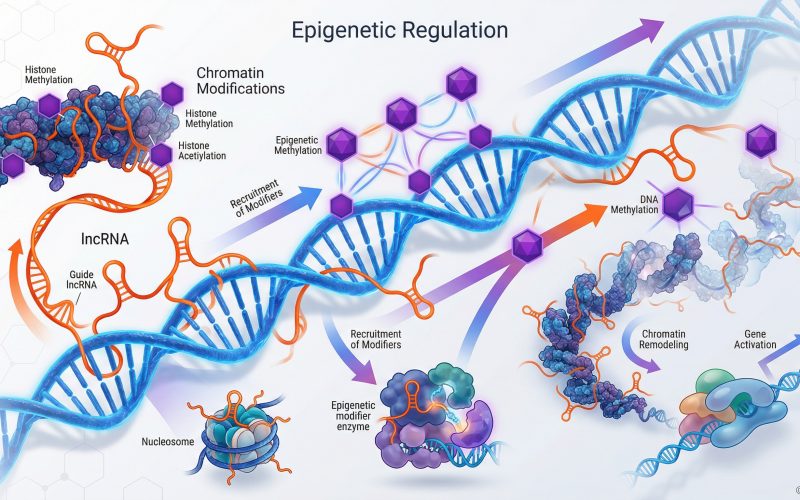
Engineers Unveil New Principles for lncRNA-Based Epigenetic Regulation
Researchers derive engineering principles for designing long non-coding RNAs to control chromatin states, opening new pathways in biomedical applications.
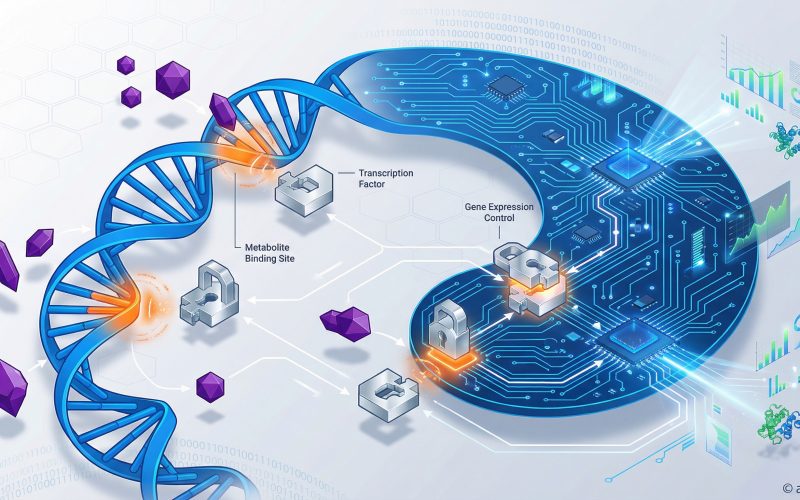
Modular Metabolite-Controlled Gene Expression Systems Developed
A new system allows precise control over gene expression through metabolites, offering a major leap in synthetic biology.