Data-Driven Synthetic Microbes Enable Sustainable Biomanufacturing

Overview
Researchers at [INSTITUTION] have developed a groundbreaking approach to engineering microbes that could revolutionize sustainable biomanufacturing and environmental resilience. By integrating advanced techniques in omics, machine learning, and systems biology, they have created Data-Driven Synthetic Microbes (DDSM) capable of degrading persistent pollutants like PFAS, mitigating greenhouse gas emissions, and enabling circular bioeconomy solutions.
Context & Significance
This innovation comes at a critical time as the world grapples with the urgent need to accelerate progress towards the UN’s Sustainable Development Goals. With the global biotechnology market projected to reach $X trillion by 2030, DDSMs offer a scalable and sustainable solution to some of the most pressing environmental challenges we face. By harnessing the inherent metabolic capabilities of microbes and enhancing them through data-driven design, this approach overcomes previous limitations and unlocks new possibilities for eco-friendly production and pollution control.
How It Works
The development of DDSMs involves a multi-step process that combines cutting-edge technologies:
-
Omics Analysis: Researchers first conduct comprehensive omics studies (genomics, transcriptomics, proteomics, and metabolomics) on selected microorganisms to map their metabolic pathways and identify key genes involved in desired functions like PFAS degradation or GHG mitigation.
-
Machine Learning Models: Using the omics data, machine learning algorithms predict optimal genetic modifications to enhance the microbes’ capabilities. This includes identifying gene knockouts, overexpressions, or introductions that could improve efficiency and robustness.
-
Systems Biology Integration: The predicted modifications are then experimentally introduced into the microbes, and systems biology approaches are used to assess their impact on overall cellular function. This iterative process allows for fine-tuning and optimization.
-
Scale-Up & Application: Once optimized, the DDSMs are tested in controlled environments that mimic real-world conditions to evaluate their performance. Successful strains are then scaled up for pilot projects and eventual commercial deployment.
This data-driven framework allows for the rational design of microbial systems tailored to specific environmental challenges, enabling more effective and efficient solutions.
Real-World Applications
DDSMs have the potential to transform multiple sectors:
-
Environmental Remediation: By degrading persistent pollutants like PFAS, DDSMs could significantly reduce the environmental and health risks associated with these chemicals. Companies in the water treatment and soil remediation space are already exploring partnerships to pilot this technology.
-
Greenhouse Gas Mitigation: Industries such as agriculture, energy, and transportation could deploy DDSMs to capture and transform GHG emissions, helping them meet sustainability targets and reduce their carbon footprint.
-
Sustainable Biomanufacturing: The fashion, packaging, and construction industries are eager to adopt bio-based materials that are both eco-friendly and cost-effective. DDSMs enable the production of such materials from renewable resources, contributing to a circular bioeconomy.
What’s Next
The team is now focused on scaling up their DDSM technology for pilot projects with industry partners. They aim to have commercial applications available within the next 2-3 years. As this technology matures, it could play a pivotal role in achieving key sustainability goals and creating a more resilient future. However, challenges remain in optimizing DDSMs for different use cases and ensuring their safe deployment in various ecosystems. Ongoing research will continue to refine these microbes and expand their capabilities, unlocking even more potential in the fight against environmental degradation.
Related Insights
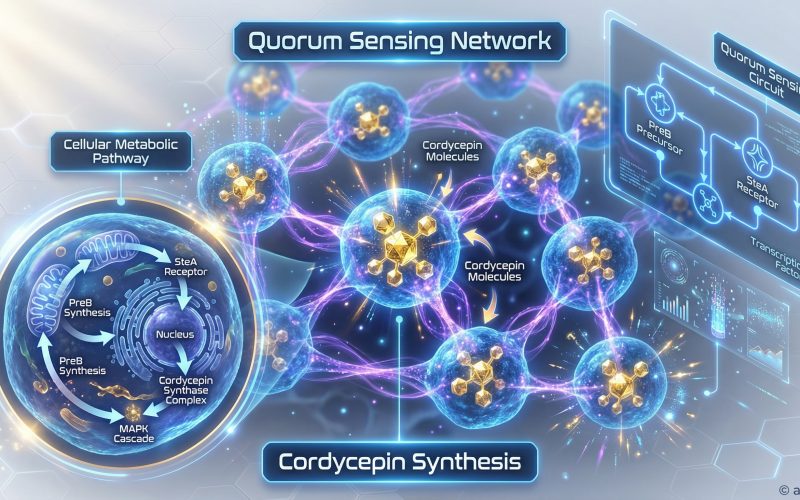
Dynamic Pheromone Control Boosts Cordycepin Production in Cordyceps militaris
Researchers use pheromone-mediated quorum sensing to precisely control the biosynthesis of cordycepin, a promising nucleoside compound with broad pharmacological activities.
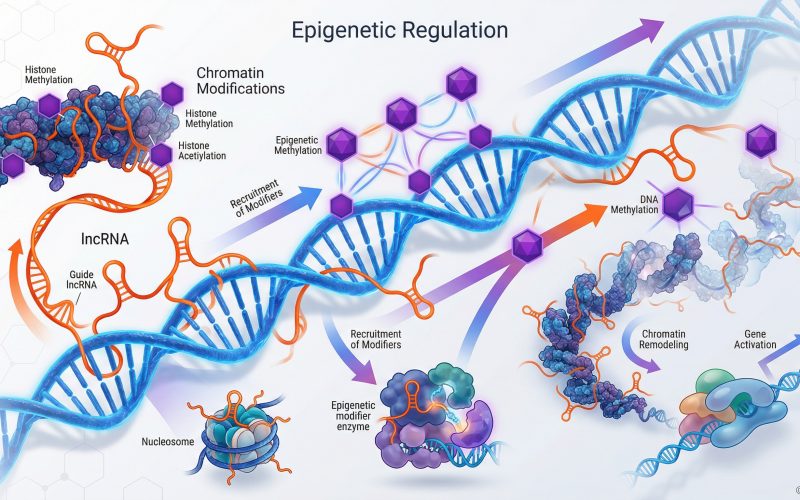
Engineers Unveil New Principles for lncRNA-Based Epigenetic Regulation
Researchers derive engineering principles for designing long non-coding RNAs to control chromatin states, opening new pathways in biomedical applications.
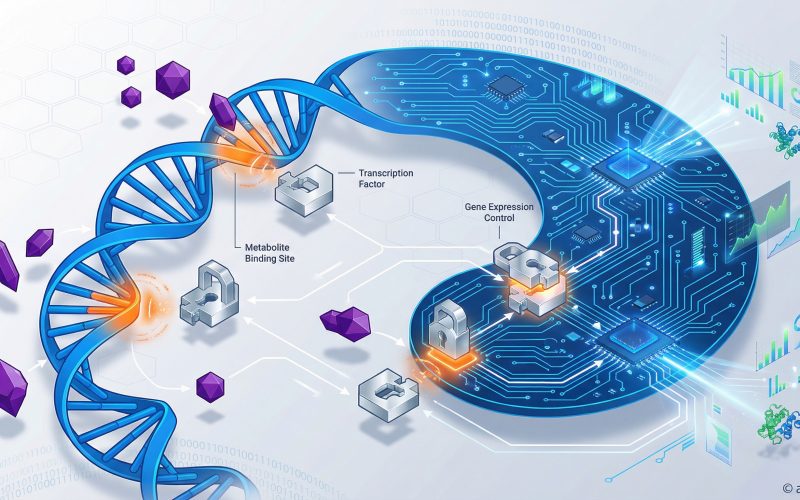
Modular Metabolite-Controlled Gene Expression Systems Developed
A new system allows precise control over gene expression through metabolites, offering a major leap in synthetic biology.