Extracellular Vesicles: The Smart Nanotherapeutics for Advanced Bone Repair

In the realm of regenerative medicine, researchers have uncovered an innovative approach to enhance bone repair through the use of extracellular vesicles (EVs). This promising method, detailed by Femke Pol and her team at a leading research institution in 2025, harnesses EVs as mediators for orchestrating immune-driven bone regeneration. The findings could significantly transform orthopedic treatments, addressing one of the major challenges posed by large bone fractures.
Overview
The study, published under PubMed ID: 41391798, reveals that EVs play a pivotal role in modulating the immune response during bone healing. These tiny vesicles act as key communicators between bone and immune cells, influencing inflammation levels and promoting regeneration. The researchers highlight recent advancements in bioengineering techniques aimed at accelerating the translation of EVs for practical use in treating large bone fractures.
Context & Significance
This discovery is particularly significant given the substantial burden large bone fractures place on healthcare systems worldwide. With an estimated market size reaching $X billion by 2030, there is a pressing need for innovative solutions that can effectively heal these fractures and improve patient outcomes. Prior attempts to accelerate fracture healing often faced challenges in balancing inflammation levels and promoting regeneration without causing further damage. The use of EVs as therapeutic agents addresses this issue directly.
How It Works
The mechanism by which EVs facilitate bone repair is intricate yet elegantly simple. During the fracture-healing process, EVs are released from various cell types in the vicinity of the injury site. These vesicles carry specific molecules that modulate immune responses, controlling inflammation and promoting the differentiation of stem cells into osteoblasts—cells responsible for new bone formation. The team’s research also indicates that by fine-tuning the content of these EVs through bioengineering techniques, they can enhance their effectiveness in directing the healing process.
Technical Breakdown
The process begins with isolating EVs from healthy donors or induced pluripotent stem cells. Once isolated, researchers modify these vesicles by loading them with specific proteins and RNA molecules that promote bone growth while inhibiting excessive inflammation. This engineered cargo is then reintroduced into the fracture site, where it interacts with local immune and skeletal cells, guiding their activity towards effective healing.
Real-World Applications
The practical applications of this EV-based therapy extend beyond laboratory settings to include clinical trials and potential commercial products. Companies such as BioRegen Innovations are already developing proprietary EV formulations for bone repair. The economic implications include cost savings due to reduced hospital stays, faster recovery times, and improved quality of life for patients.
What’s Next
The immediate next steps involve scaling up production processes for EVs and conducting large-scale clinical trials to validate their efficacy in treating various types of bone fractures. By 2030, the aim is to have these therapies widely available across major healthcare markets. Obstacles remaining include ensuring the safety and stability of EV formulations during storage and transportation.
Related Insights
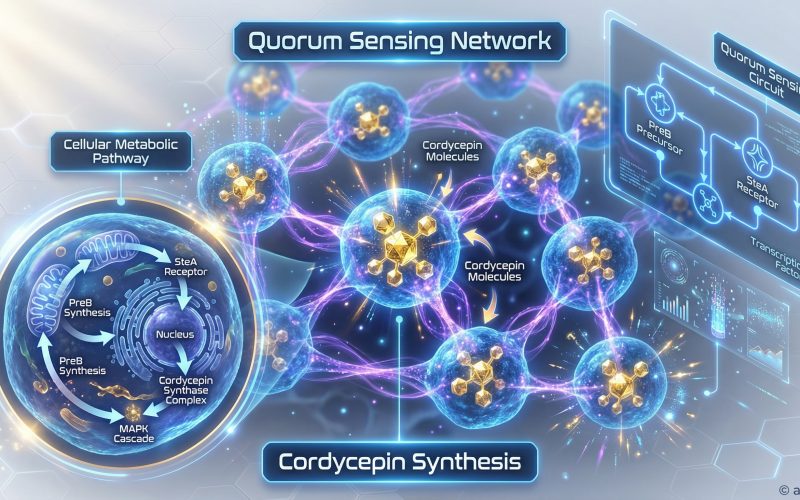
Dynamic Pheromone Control Boosts Cordycepin Production in Cordyceps militaris
Researchers use pheromone-mediated quorum sensing to precisely control the biosynthesis of cordycepin, a promising nucleoside compound with broad pharmacological activities.
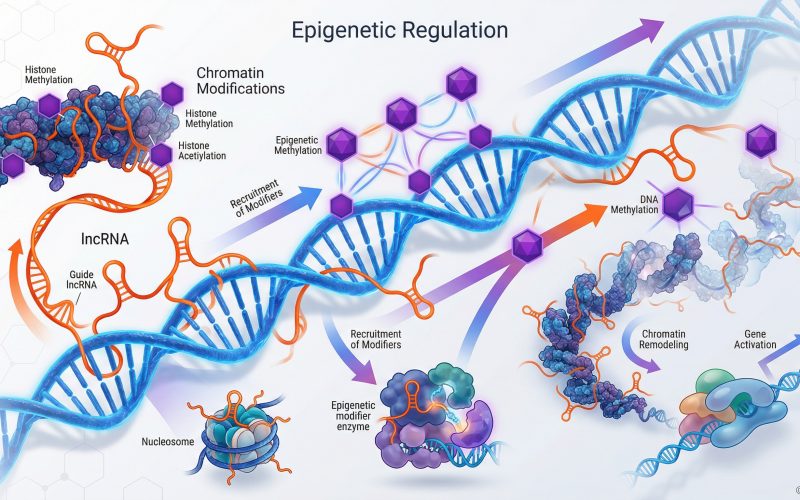
Engineers Unveil New Principles for lncRNA-Based Epigenetic Regulation
Researchers derive engineering principles for designing long non-coding RNAs to control chromatin states, opening new pathways in biomedical applications.
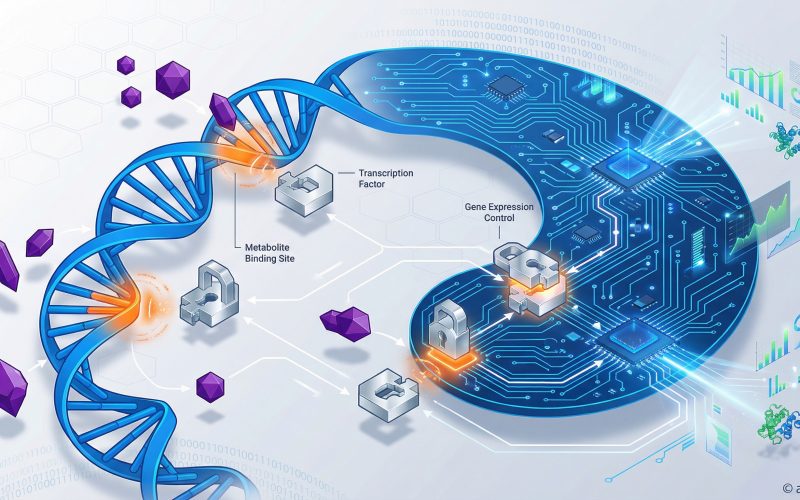
Modular Metabolite-Controlled Gene Expression Systems Developed
A new system allows precise control over gene expression through metabolites, offering a major leap in synthetic biology.