Leonine Framework Optimizes DNA Sequences for Specific Cell Types
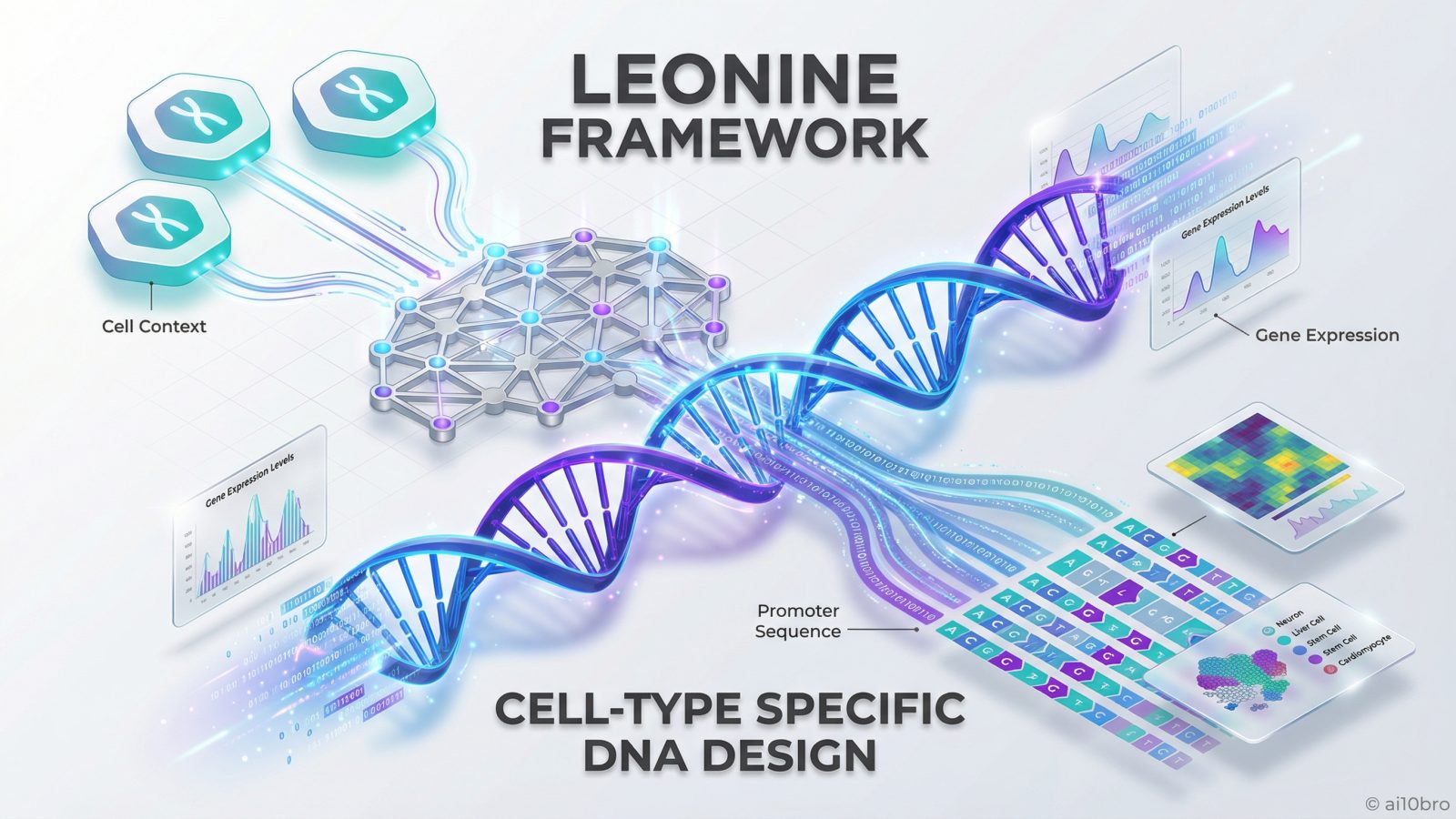
Designing regulatory DNA sequences like enhancers is critical for synthetic biology but often fails to account for the intricate cellular environment necessary for effective gene regulation. A team of researchers has now introduced Leonine, a groundbreaking framework that addresses this challenge by optimizing enhancer sequences within the context of specific cell types.
Overview
The research, published in 2025 and led by Junhao Liu, Pengpeng Zhang, Siwei Xu, Shushrruth Sai Srinivasan, Yongxian Wu, and Jing Zhang, introduces Leonine as a novel approach to design biologically plausible enhancers. This framework reimagines the process of enhancer sequence generation as a multimodal question-answering task within a cellular context.
Context & Significance
This development is significant because it bridges the gap between theoretical designs and practical applications in gene regulation. By generating sequences that are optimized for specific regulatory environments, Leonine has the potential to revolutionize synthetic biology and gene therapy approaches, enhancing their precision and effectiveness.
The market for synthetic biology solutions, expected to reach $30 billion by 2030, could benefit immensely from this technology as it addresses the inefficiencies of current methods. The ability to tailor enhancer sequences for specific cell types offers a more precise way to control gene expression in therapeutic applications and biological research.
How It Works
The core innovation behind Leonine lies in its use of large language models (LLMs) trained on DNA sequences, which are then integrated with multimodal cellular data including promoter sequences, gene expression profiles, and cell type information. This integration allows the model to generate enhancer sequences that are not only biologically plausible but also functionally coherent within specific regulatory environments.
Methodology
The researchers developed a large-scale dataset of over 1.5 million cell-type-specific promoter-enhancer pairs, enabling comprehensive evaluation across seven different cell types. This robust evaluation benchmark demonstrates that Leonine outperforms existing state-of-the-art LLMs in generating context-aware DNA sequences.
Real-World Applications
The practical implications of this work are vast and could lead to new therapeutic strategies for gene-related diseases where precise regulation is critical. Companies like Gensyn Bio and Synthia, which focus on synthetic biology solutions, have already shown interest in adopting Leonine’s technology.
Leonine also paves the way for a more efficient drug development process by allowing researchers to target specific cell types with enhanced precision. This could reduce clinical trial failures due to off-target effects and significantly lower the overall cost of bringing new therapies to market.
What’s Next
The immediate next steps involve further refining Leonine’s capabilities through additional datasets and expanding its application across more complex biological systems. Researchers plan to test the framework in various cell types and conditions, with an eye toward commercialization within the next five years.
Related Insights
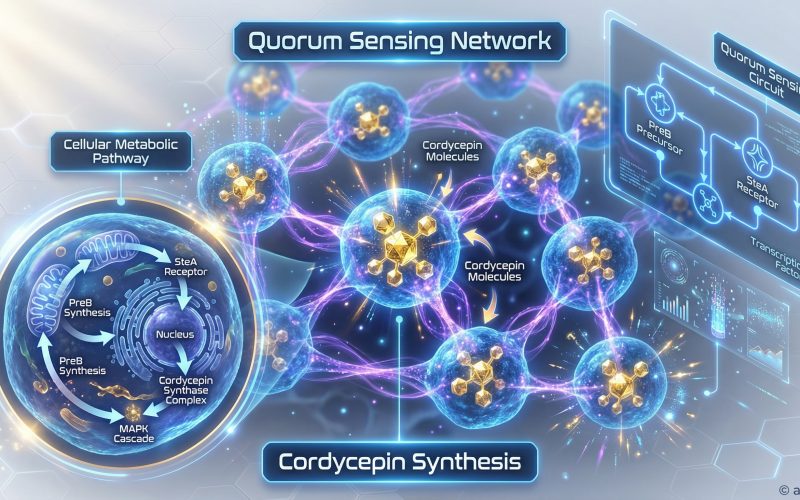
Dynamic Pheromone Control Boosts Cordycepin Production in Cordyceps militaris
Researchers use pheromone-mediated quorum sensing to precisely control the biosynthesis of cordycepin, a promising nucleoside compound with broad pharmacological activities.
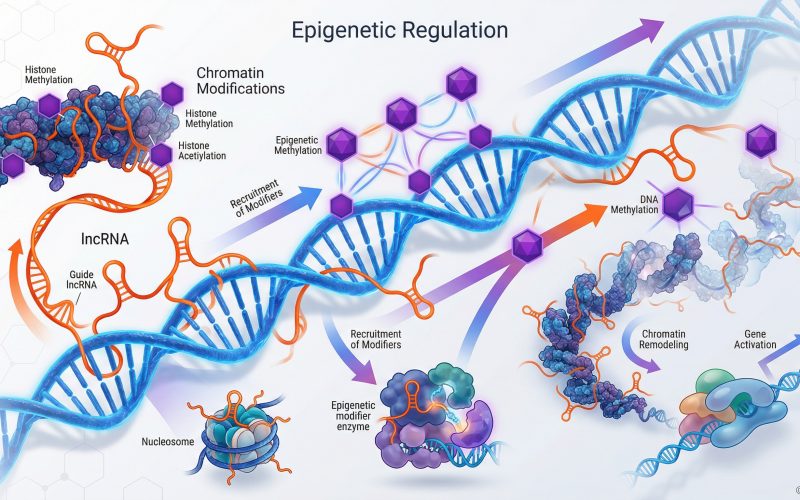
Engineers Unveil New Principles for lncRNA-Based Epigenetic Regulation
Researchers derive engineering principles for designing long non-coding RNAs to control chromatin states, opening new pathways in biomedical applications.
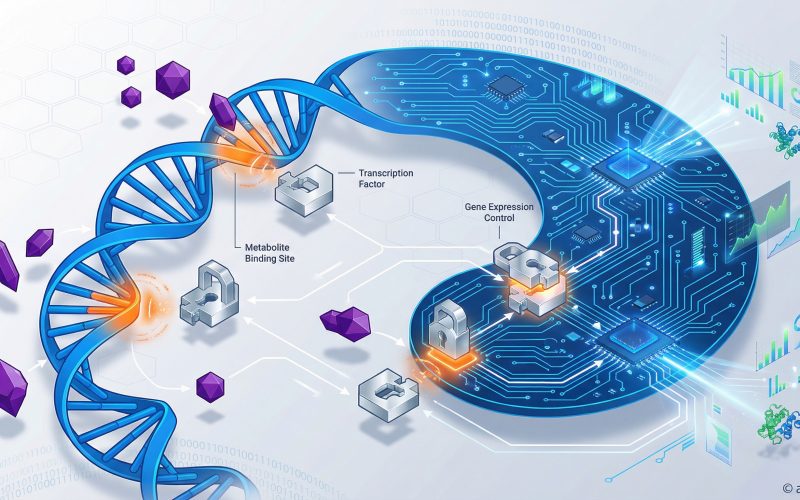
Modular Metabolite-Controlled Gene Expression Systems Developed
A new system allows precise control over gene expression through metabolites, offering a major leap in synthetic biology.