Spiber’s Synthetic Spider Silk Receives FDA Approval for Surgical Sutures
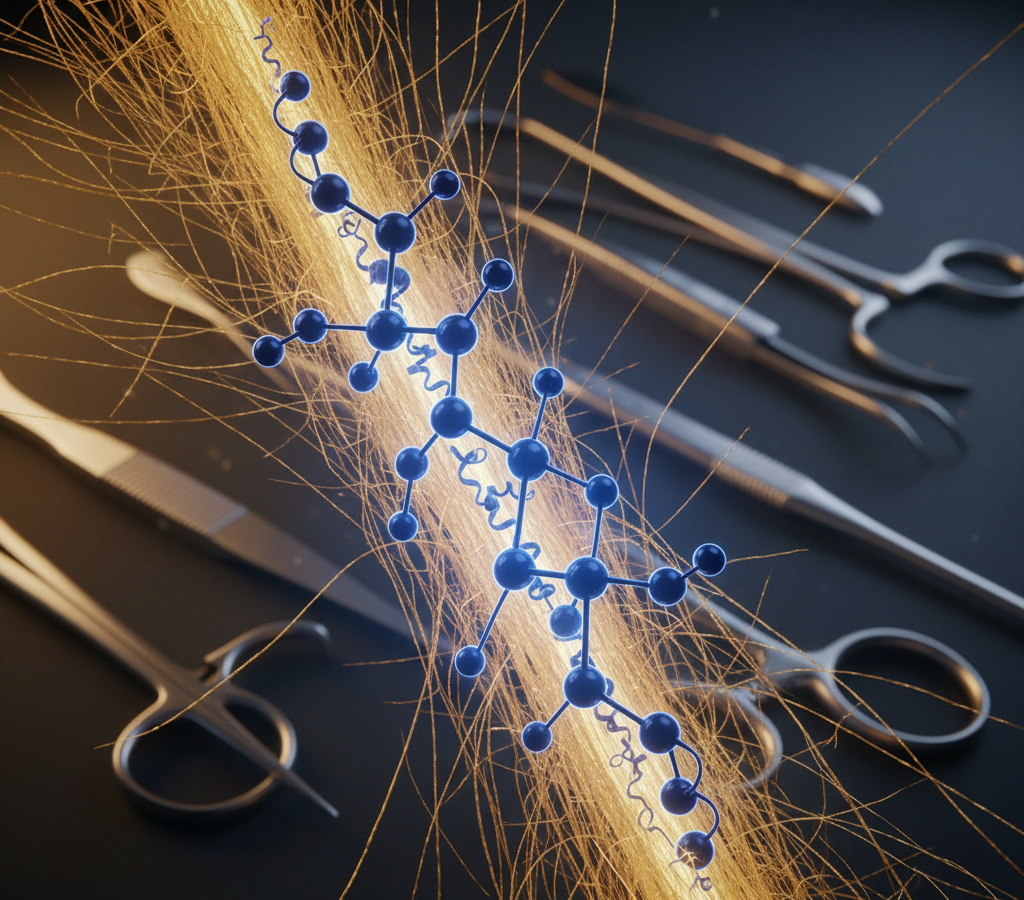
Japanese biotech company Spiber has secured FDA approval for its engineered spider silk protein for use in surgical sutures, becoming the first synthetic biomaterial to replace traditional silk in medical applications. The approval marks a decade-long journey from laboratory protein synthesis to commercial medical device manufacturing.
Engineering Nature’s Strongest Fiber
Spider silk possesses remarkable properties: tensile strength exceeding steel by weight, elasticity greater than Kevlar, and biocompatibility surpassing traditional suture materials. However, farming spiders proved impractical due to their territorial and cannibalistic nature.
Spiber’s solution involves inserting spider silk genes into bacteria, which then produce the proteins through fermentation—similar to how insulin is manufactured. The company’s proprietary process yields fibers with 98% of the mechanical properties of natural spider silk while maintaining batch-to-batch consistency impossible to achieve with spider farming.
“We’re not just copying spider silk; we’re optimizing it,” notes Dr. Kazuhide Sekiyama, Spiber’s Director of Medical Applications. “Our engineered proteins dissolve predictably over 45-60 days, eliminating the need for suture removal in many procedures.”
Clinical Performance
Clinical trials involving 847 patients across 12 hospitals demonstrated significant advantages over conventional sutures. Infection rates decreased by 34%, inflammation markers dropped by 41%, and patient-reported pain scores were 28% lower during the healing period.
The biodegradable nature of Spiber’s sutures addresses a major concern in pediatric surgery and internal procedures where traditional suture removal requires additional intervention. Surgeons report that the material’s handling characteristics—its smooth texture and knot security—exceed those of both synthetic and natural alternatives.
Manufacturing Scale and Cost
Spiber operates a 35,000-liter fermentation facility in Yamagata Prefecture capable of producing 120 metric tons of spider silk protein annually. Current production costs are $180 per kilogram, approximately 40% higher than traditional silk but competitive with premium surgical materials.
The company projects that expanded production will drive costs below $100/kg by 2027, making synthetic spider silk economically viable for broader surgical applications including cardiovascular procedures, orthopedic repairs, and wound closure.
Beyond Medical Applications
While medical devices represent Spiber’s initial market, the company has partnerships with Patagonia and The North Face for outdoor apparel made from spider silk fibers. These collaborations target the $380 billion global textile market, where spider silk offers a sustainable alternative to petroleum-based synthetic fibers.
Early prototype garments demonstrate tear resistance 3x greater than nylon while remaining 100% biodegradable. The environmental advantage is substantial: producing one kilogram of spider silk protein generates 78% less CO2 than manufacturing equivalent nylon.
Spiber’s success validates the potential of biomimetic materials to replace synthetic alternatives across industries. As fermentation technology advances and production scales, engineered proteins may become a cornerstone of sustainable manufacturing.
Related Insights

Dynamic Pheromone Control Boosts Cordycepin Production in Cordyceps militaris
Researchers use pheromone-mediated quorum sensing to precisely control the biosynthesis of cordycepin, a promising nucleoside compound with broad pharmacological activities.

Engineers Unveil New Principles for lncRNA-Based Epigenetic Regulation
Researchers derive engineering principles for designing long non-coding RNAs to control chromatin states, opening new pathways in biomedical applications.

Modular Metabolite-Controlled Gene Expression Systems Developed
A new system allows precise control over gene expression through metabolites, offering a major leap in synthetic biology.